Week Four of Jouf University Summer Program 2026 Records More Than 6,700 Beneficiaries and Participants, Supported by Over 700 Volunteers
Jouf University’s Summer Program 2026 continued to expand its community reach and impact, recording 6,717 beneficiaries and participants during its fourth week, held from August 2 to 11, 2026, with the support of 705 male and female volunteers. The week featured a diverse range of programs and activities spanning health awareness, academic preparation, skills development, culture, arts, and sports.
During this phase, the program delivered 7 events and tournaments and provided 26 specialized services and initiatives, with the participation of 4 entities. These figures reflect the University’s integrated efforts and its commitment to making effective use of the summer break by offering meaningful educational, skill-building, and community programs that respond to the needs and interests of students and members of the wider community.
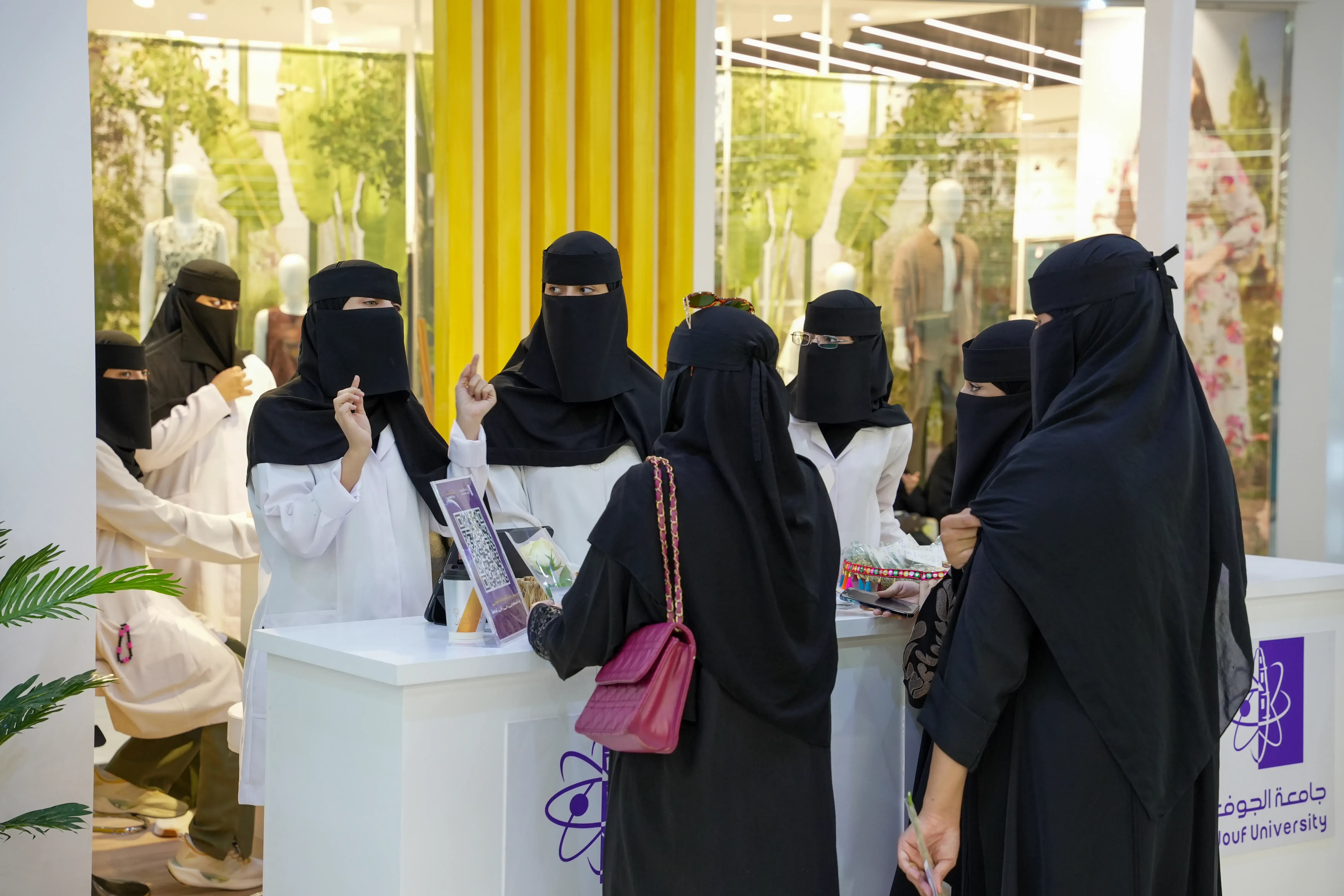
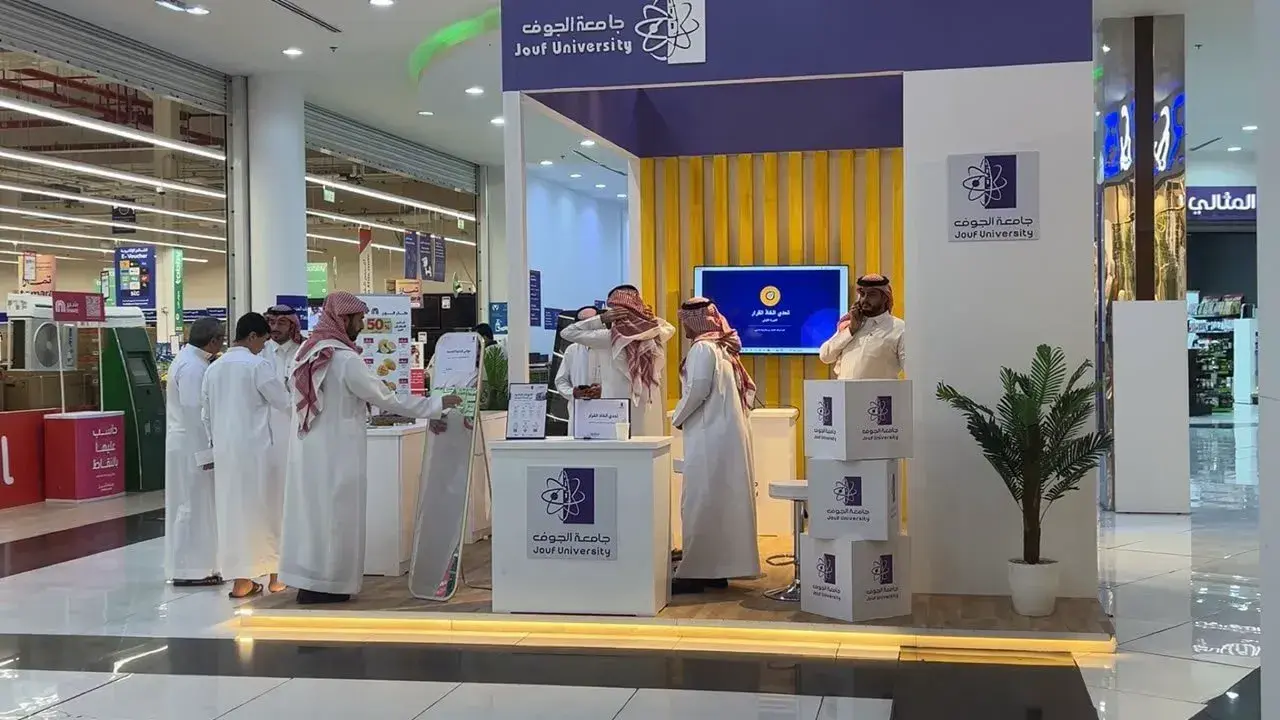
President of Jouf University, Prof. Dr. Mohammed bin Abdullah Al-Shaya, emphasized that the broad participation achieved by the program reflects the University’s role in serving its community and harnessing its academic and human capabilities to deliver high-quality initiatives that extend beyond traditional education to skills development, awareness enhancement, and improved quality of life.
He noted that the success of university programs is measured not only by the number of participants, but also by the knowledge, skills, and sustainable impact they generate. He also commended the efforts of the participating entities and the male and female volunteers whose contributions supported the effective organization of activities and helped extend the program’s services to the largest possible number of beneficiaries.
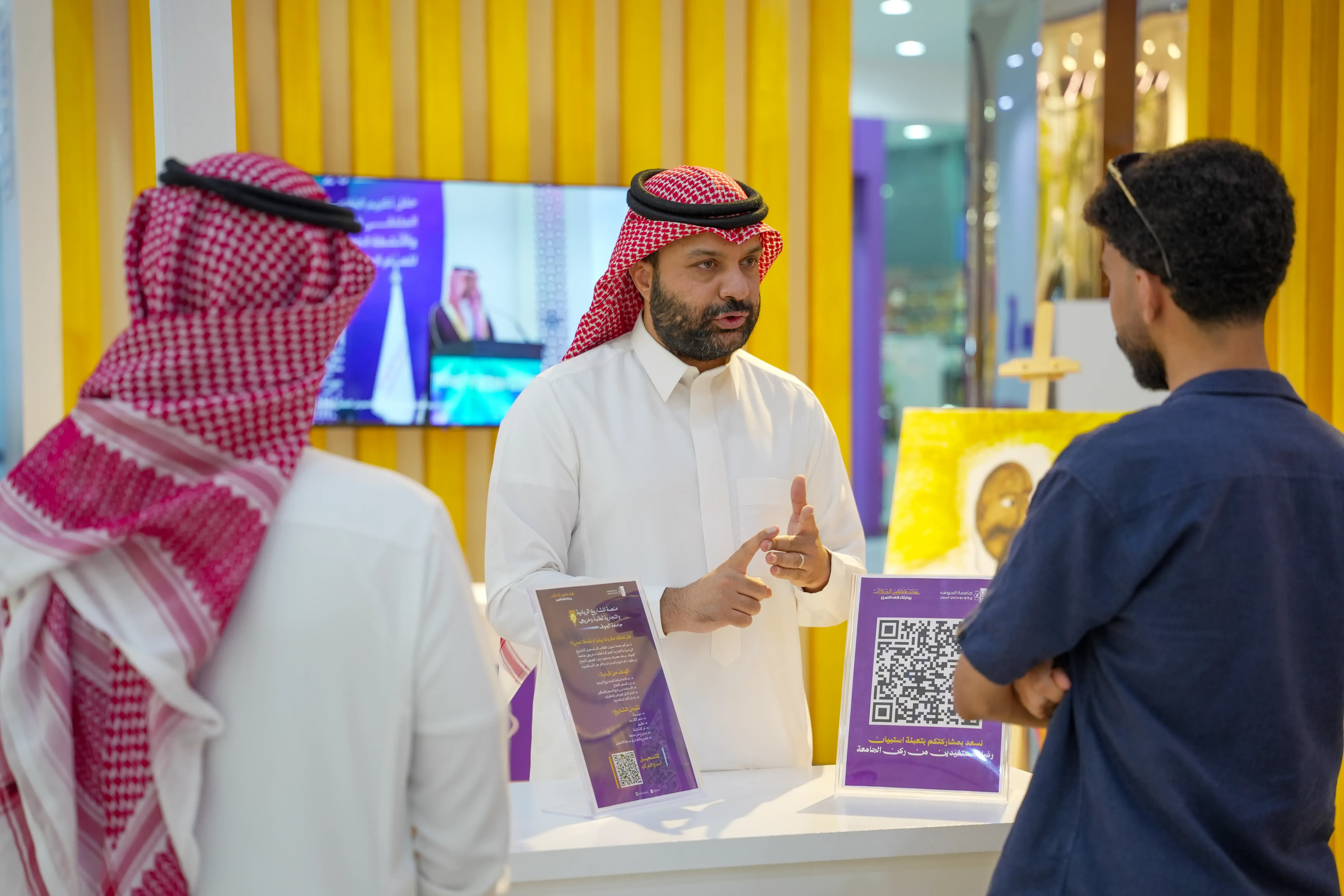
Week Four featured programs introducing participants to Jouf University’s academic pathways and majors, in addition to the initiatives “Your Guide to University Life at Jouf University” and “Your Opportunities in University Life.” These initiatives provided students with information and guidance on the university environment, student activities and programs, and the opportunities available to develop their capabilities and enrich their university experience from the beginning of their academic journey.
The program also included the “Administrative Skills in Daily Life” event, which focused on equipping participants with practical skills in time management, prioritization, decision-making, and effectively managing everyday responsibilities, thereby enhancing personal independence and academic and professional readiness.
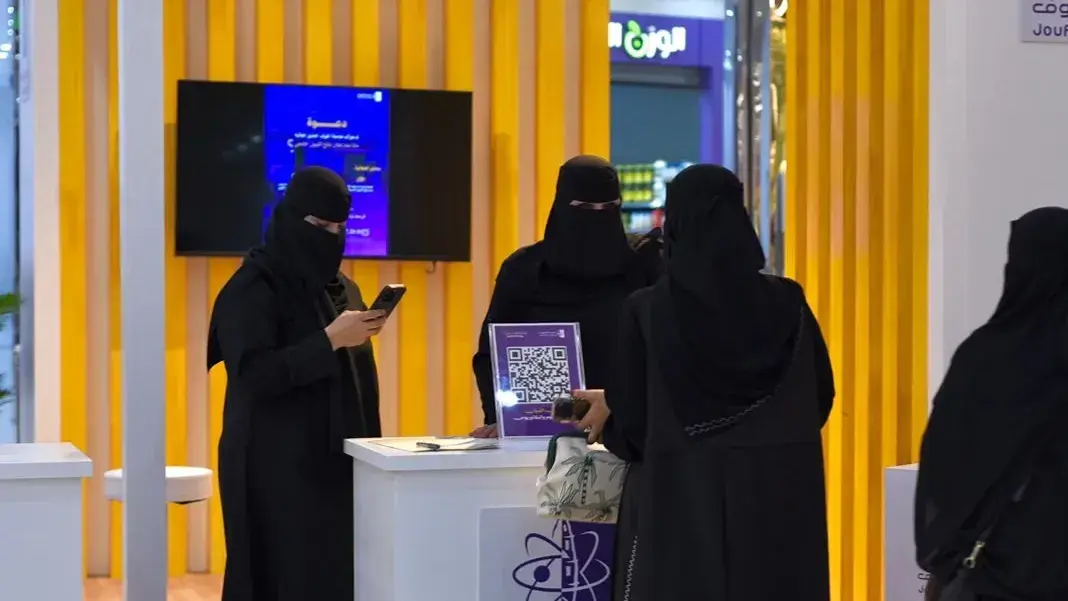
In the health track, an awareness event on breastfeeding was held to promote understanding of its health benefits, encourage sound practices, and provide beneficiaries with reliable health information, as part of the University’s ongoing role in promoting health awareness and supporting preventive and educational initiatives.
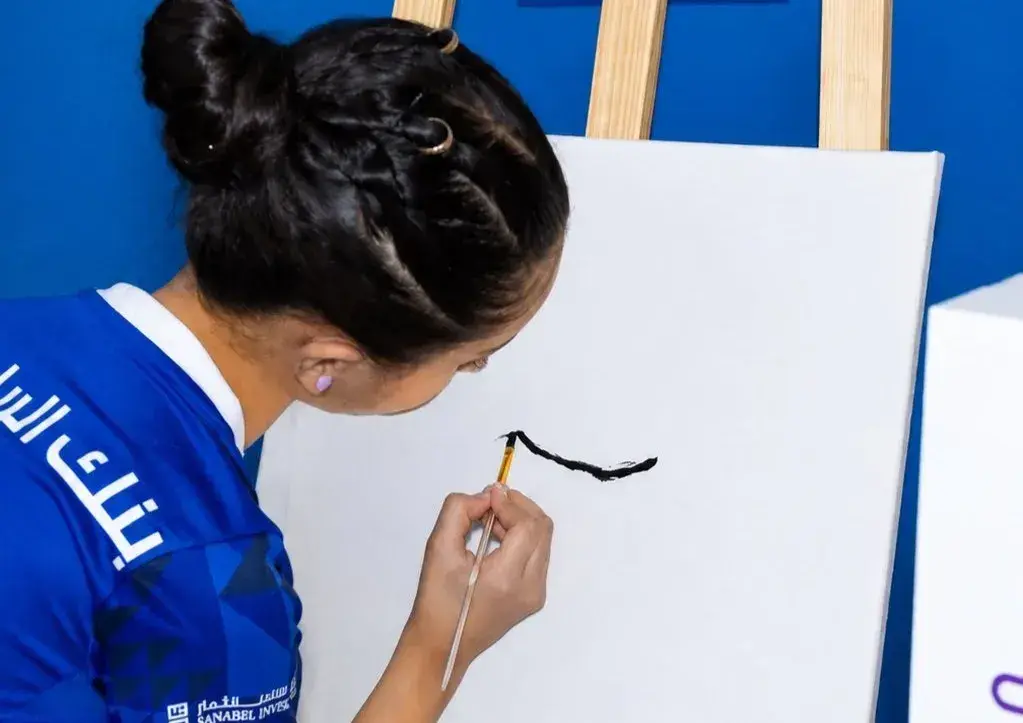
The cultural and artistic track featured a drawing and visual arts activity, providing participants with a space for creative expression and artistic development. The sports track also included a women’s basketball tournament, aimed at encouraging sports participation and promoting physical activity, vitality, and teamwork.
A total of 705 male and female volunteers contributed to the implementation of the programs, facilitation of services, and organization of events, underscoring the central role of volunteerism within the Summer Program and its value as a practical avenue for strengthening responsibility and community engagement among Jouf University students and staff.
The results of Week Four demonstrate that the Jouf University Summer Program 2026 has developed into an integrated platform that brings together education, awareness, skills development, sports, arts, and volunteerism in a single experience—transforming the summer break into an opportunity for learning and participation, and extending the impact of its diverse programs to students, families, and the wider community.