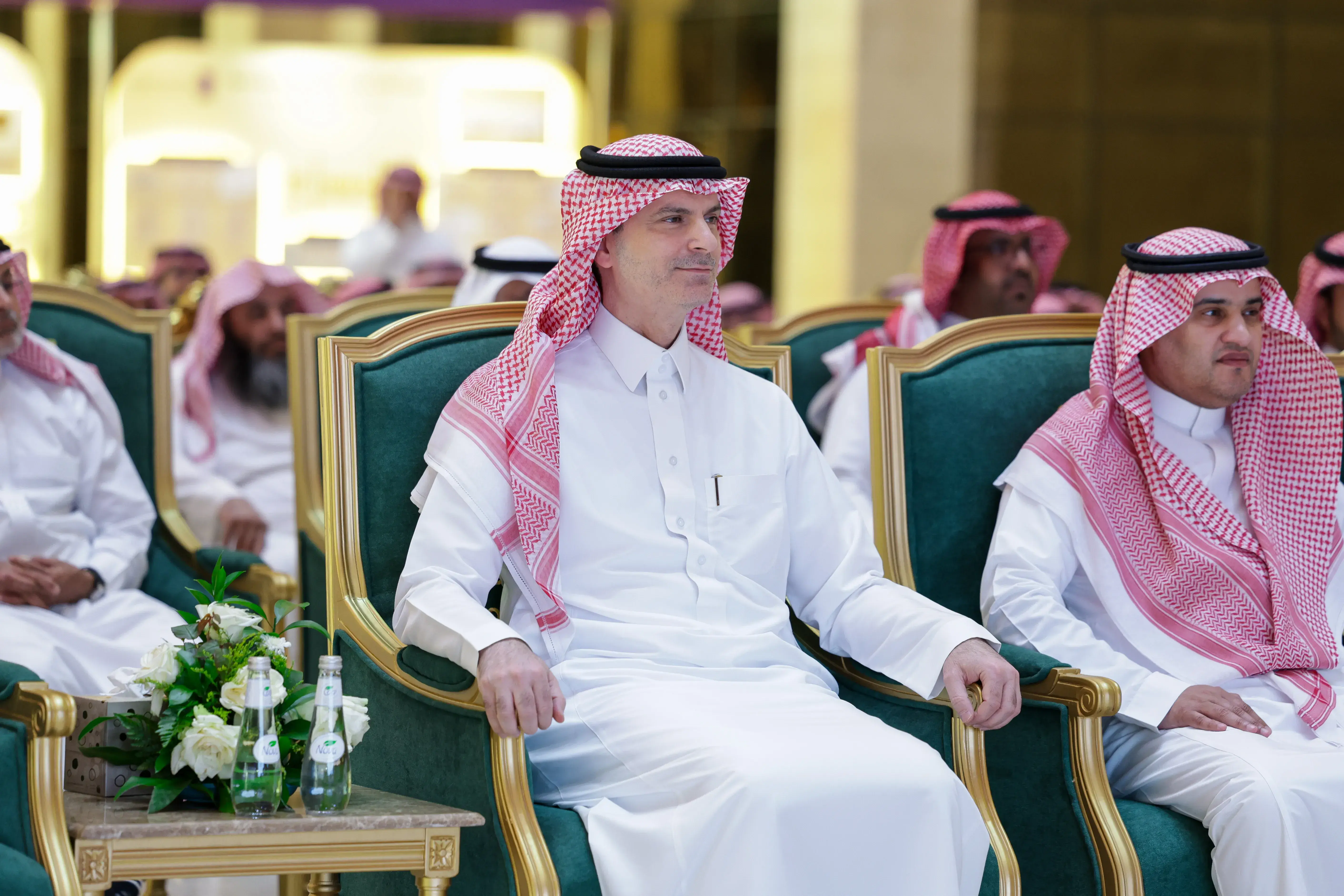
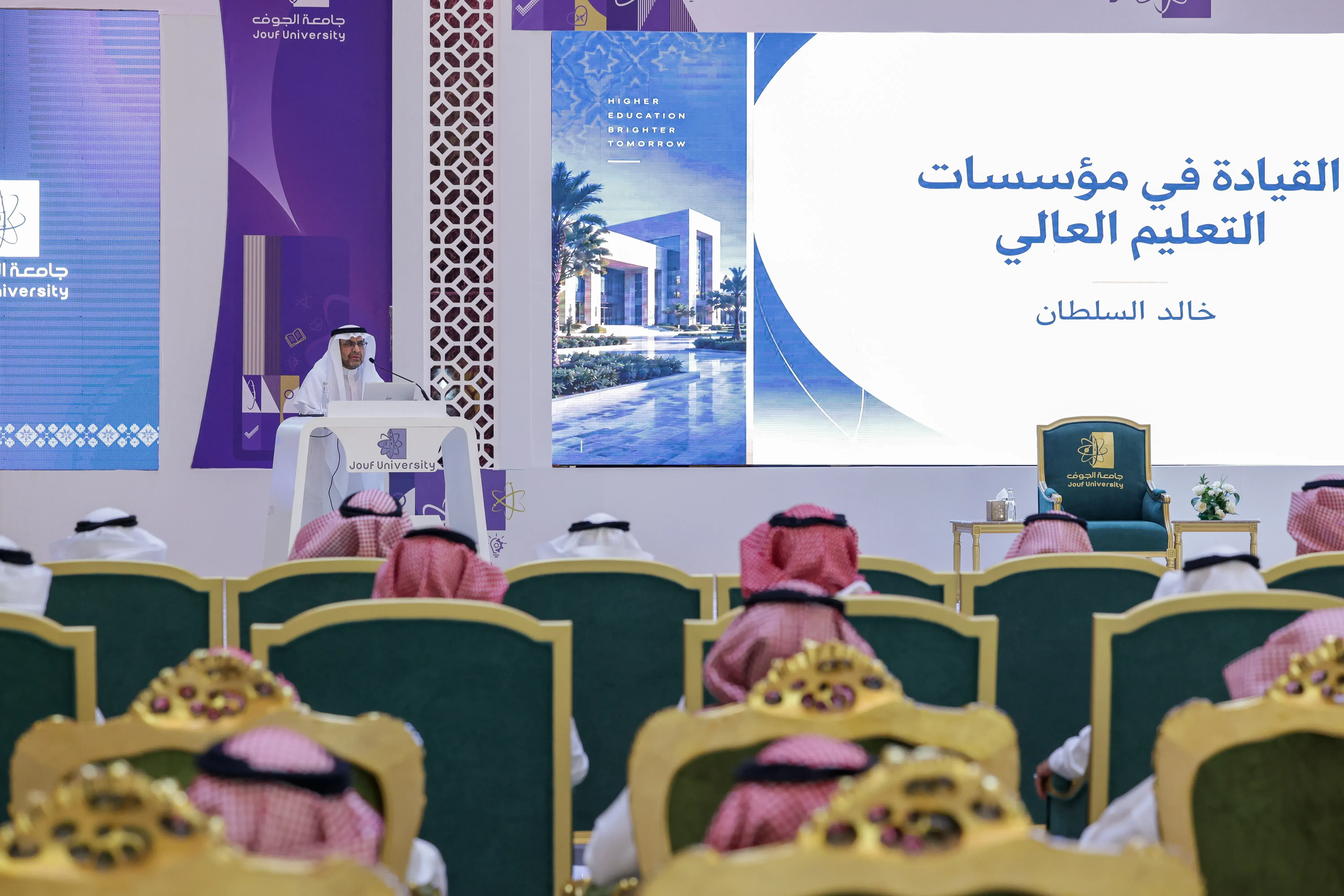
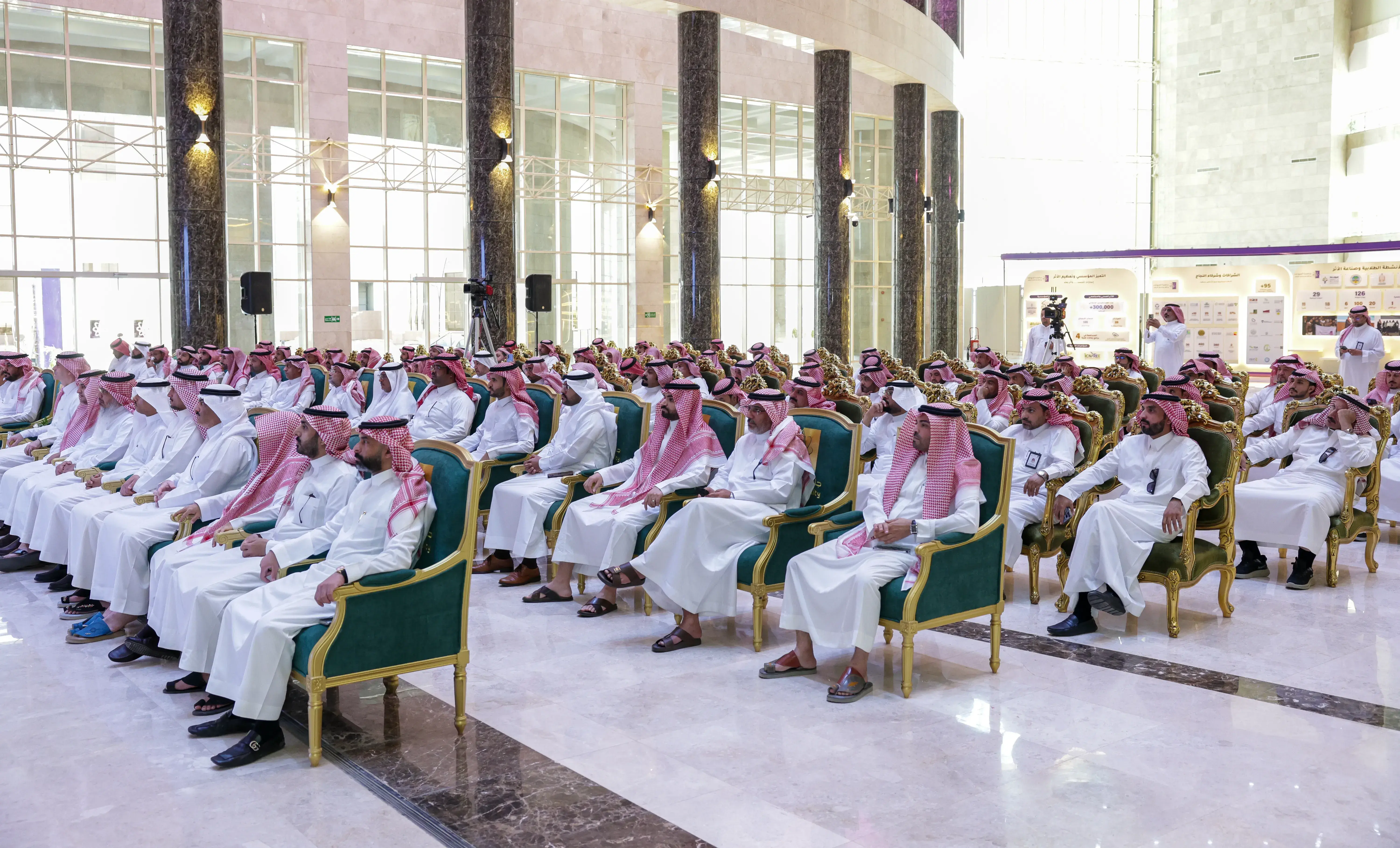
Jouf University Hosts H.E. Prof. Dr. Khalid Al-Sultan in a Distinguished Session on Leadership in Higher Education Institutions
As part of Jouf University’s ongoing efforts to invest in human capital, develop the capabilities of its academic and administrative leaders, and strengthen leadership practices that enhance performance efficiency and institutional impact, the University hosted H.E. Prof. Dr. Khalid bin Saleh Al-Sultan in a distinguished session entitled “Leadership in Higher Education Institutions,” attended by the President of Jouf University, Prof. Dr. Mohammed bin Abdullah Al-Shaya.
The session reflects the University’s commitment to creating knowledge-based and leadership-oriented platforms that draw on distinguished expertise and successful experiences, while supporting the development of leaders who are better equipped to navigate change, lead institutional development, make effective decisions, and translate strategic objectives into sustainable outcomes and impact.
During the session, H.E. Prof. Dr. Khalid Al-Sultan addressed a range of key issues related to the future of higher education institutions, foremost among them admissions, quality, and alignment with the labor market. He highlighted these as fundamental pillars closely connected to the University’s educational mission and its responsibility to prepare graduates who are capable of competing effectively and responding to evolving labor-market demands.
He also discussed a number of opportunities and challenges currently facing higher education institutions, including increasing competition among graduates in the labor market, rapid technological advancement—particularly in information technology—the challenge of motivating students and attracting distinguished faculty members, as well as the importance of effectively addressing the rising cost of higher education.
The session further reviewed major global transformations and trends shaping higher education, including institutional differentiation, diversification of revenue sources, spending efficiency, academic accreditation and quality assurance, multiple sources of learning, the shift from teaching to learning, lifelong learning, entrepreneurship and innovation, distance education, the integration of artificial intelligence into learning, and the continued development of student skills, academic programs, and learning methodologies.
Turning to the theme of leadership, H.E. Prof. Dr. Al-Sultan explained that leadership is fundamentally centered on influencing people and directing collective efforts toward achieving shared goals. He noted that an effective leader is one who is able to utilize personal capabilities and available resources to influence behavior and attitudes and create a work environment that enables achievement.
A dedicated part of the session focused on academic leadership and its distinctive nature compared with leadership in other contexts. H.E. Prof. Dr. Al-Sultan emphasized the importance of a strong academic and research background, the ability to operate effectively in a collegial environment characterized by peer interaction, and a range of essential qualities and skills required of academic leaders, including patience, communication, problem-solving, innovation, flexibility, organization, focus, determination, and emotional intelligence.
He also highlighted several practices that enhance the effectiveness of academic leaders, including institutional teamwork, commitment, active listening, initiative, supporting talented and creative individuals, and the ability to manage differences and challenges. He stressed the importance of developing leadership that goes beyond managing daily operations to shaping institutional culture, developing people, reinforcing values, and creating meaningful impact.
The session also explored various academic leadership styles, including transactional, transformational, autocratic, democratic, servant, and delegative leadership. The discussion underscored that leadership effectiveness depends on selecting the most appropriate style according to the nature of the institution, the situation, and the stage of development.
In another part of the session, H.E. Prof. Dr. Al-Sultan discussed factors that may contribute to leadership failure, including an inadequate understanding of reality, hesitation in decision-making, failure to listen to and learn from differing perspectives, and a lack of awareness of one’s own strengths and weaknesses. He emphasized that these challenges highlight the importance of self-awareness, courage, flexibility, and the ability to continuously review, learn, and improve.
During the session, President of Jouf University Prof. Dr. Mohammed bin Abdullah Al-Shaya affirmed that investing in the development of academic and administrative leaders is one of the key pillars for advancing university performance and achieving institutional objectives. He noted that the rapid transformations taking place across the higher education sector require leaders who possess vision, flexibility, sound decision-making capabilities, and the ability to translate plans and strategic objectives into effective institutional performance and tangible impact.
He added that leadership within the university environment is not limited to managing operations and tasks; rather, it carries a broader responsibility for developing people, shaping institutional culture, empowering teams, and anticipating the future. “At Jouf University, we are therefore committed to developing the capabilities of our leaders, enriching their experiences, and providing them with opportunities to benefit from leading leadership practices and distinguished experiences,” he said.
The organization of this session reflects Jouf University’s commitment to building a leadership ecosystem capable of keeping pace with the rapid transformations taking place in the higher education sector and benefiting from leading experiences and expertise in institutional performance development. This, in turn, supports the quality of decision-making, enhances the effectiveness of academic and administrative leadership, and contributes to achieving the University’s objectives during the next phase.
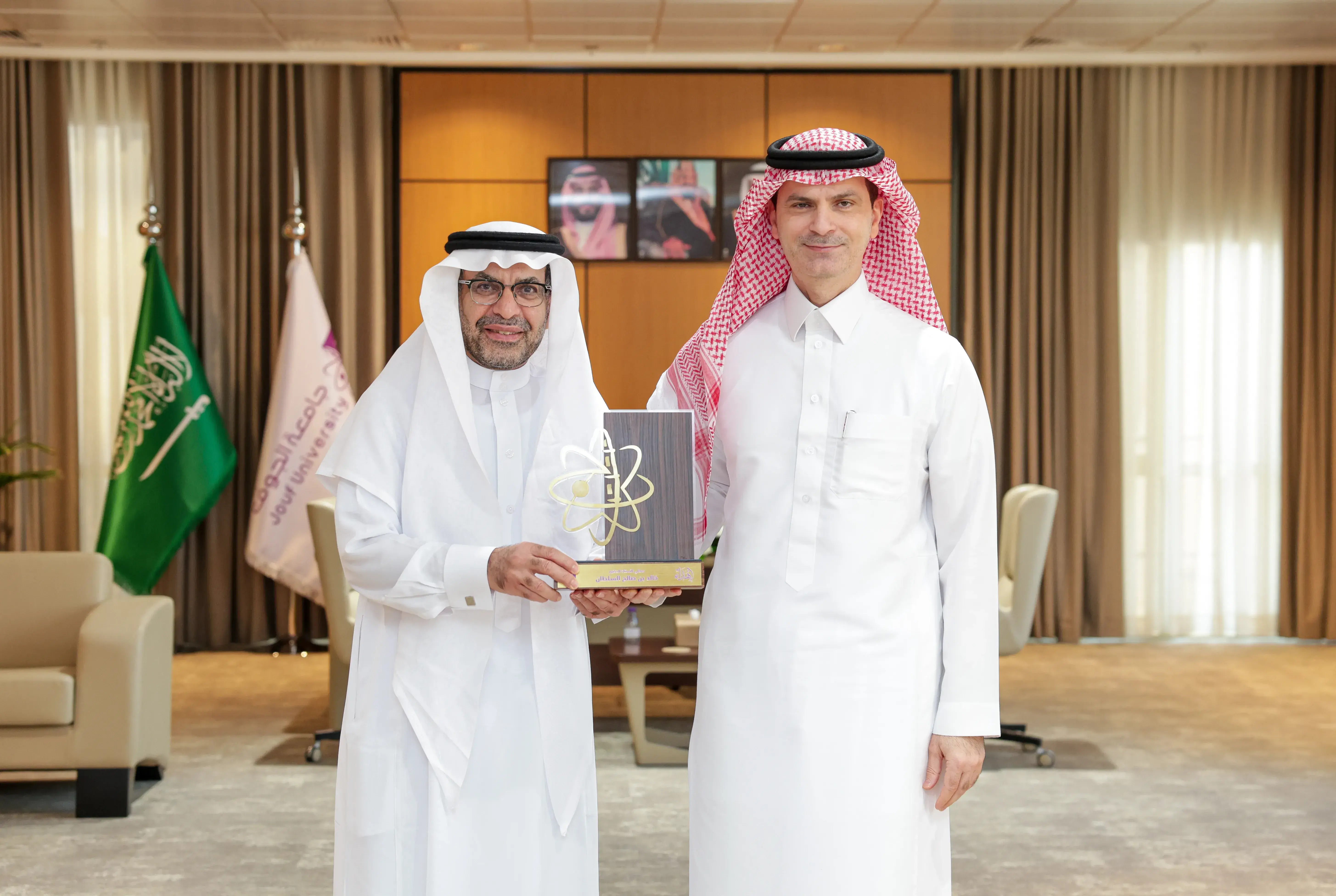
At the conclusion of the session, President of Jouf University Prof. Dr. Mohammed bin Abdullah Al-Shaya honored H.E. Prof. Dr. Khalid bin Saleh Al-Sultan in recognition of his participation and valuable intellectual contribution, and in appreciation of the rich experience and inspiring leadership insights he shared, which enriched the session and supported the University’s pathways toward development and institutional excellence.