


Jouf University Organizes Advanced Training Program to Promote Sustainable Government Administration and Support Institutional Development in Al-Jouf Region
As part of its developmental and knowledge-based role in serving Al-Jouf Region, and in translation of the objectives of its strategic plan aligned with Saudi Vision 2030, Jouf University, represented by Prince Nawaf bin Abdulaziz Chair for Sustainable Development, organized on Wednesday, May 13, 2026, a training program titled: “Sustainable Government Administration: Advanced Principles and Applications to Enhance Institutional Efficiency.” The program was held as part of the Chair’s 2026 executive plan, which was approved by His Royal Highness Prince Faisal bin Nawaf bin Abdulaziz, Governor of Al-Jouf Region — may Allah protect him.
The program reflects Jouf University’s commitment to strengthening its presence as an active development partner in the region, and as a national house of expertise that supports government entities through specialized knowledge, capacity building, and the development of institutional practices. This aligns with Saudi Vision 2030 objectives aimed at increasing the efficiency of government agencies, improving service quality, enhancing governance, and enabling sustainable development across the Kingdom’s regions.
The University emphasized that the implementation of this program comes as an extension of its mission to serve the local community and activate the impact of its scientific and research chairs beyond the traditional academic framework. This is achieved by transforming academic and knowledge expertise into applied programs that contribute to developing government performance and supporting leaders and specialists in government entities with modern methodologies in planning, risk management, performance measurement, and data-driven decision-making.
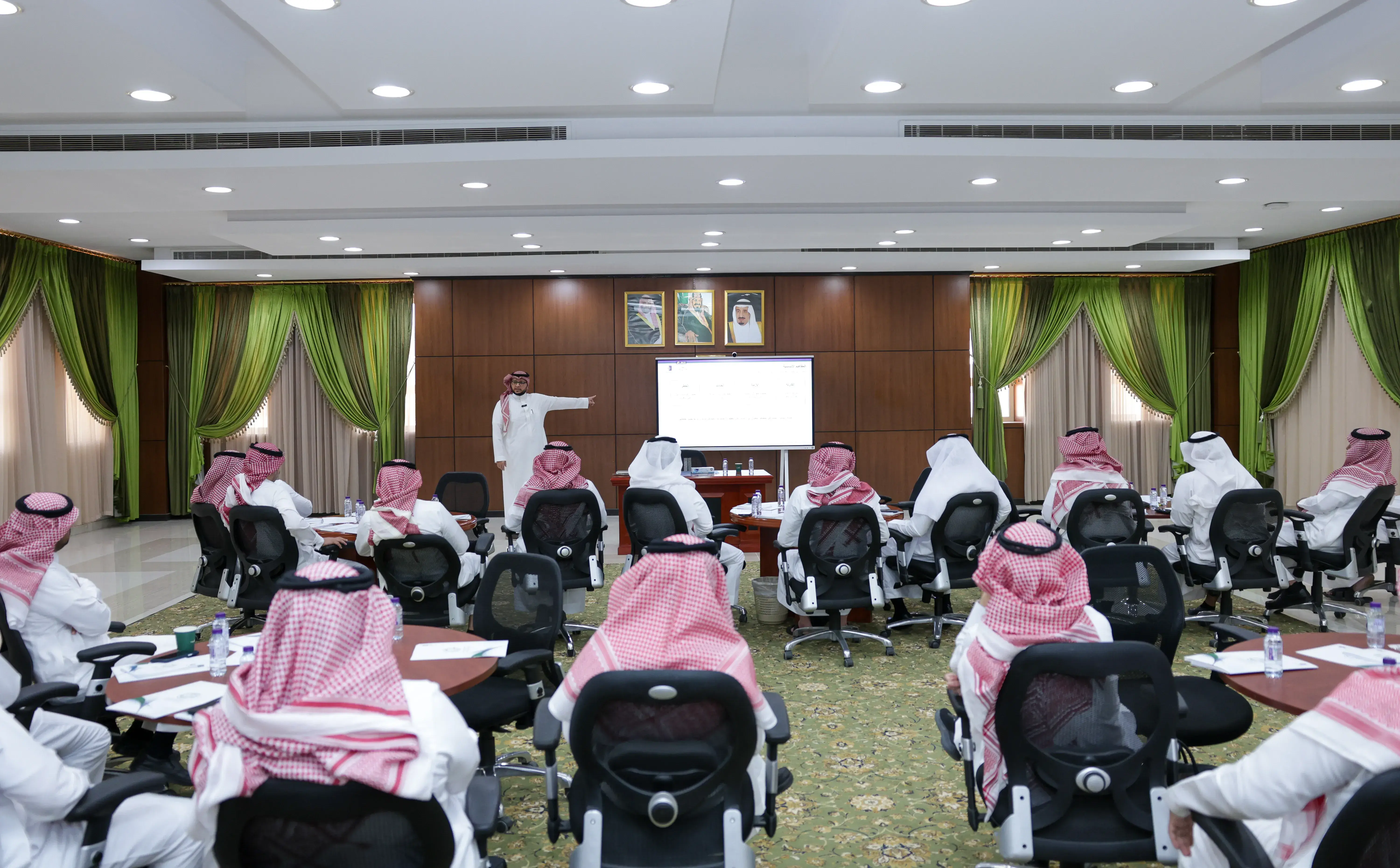
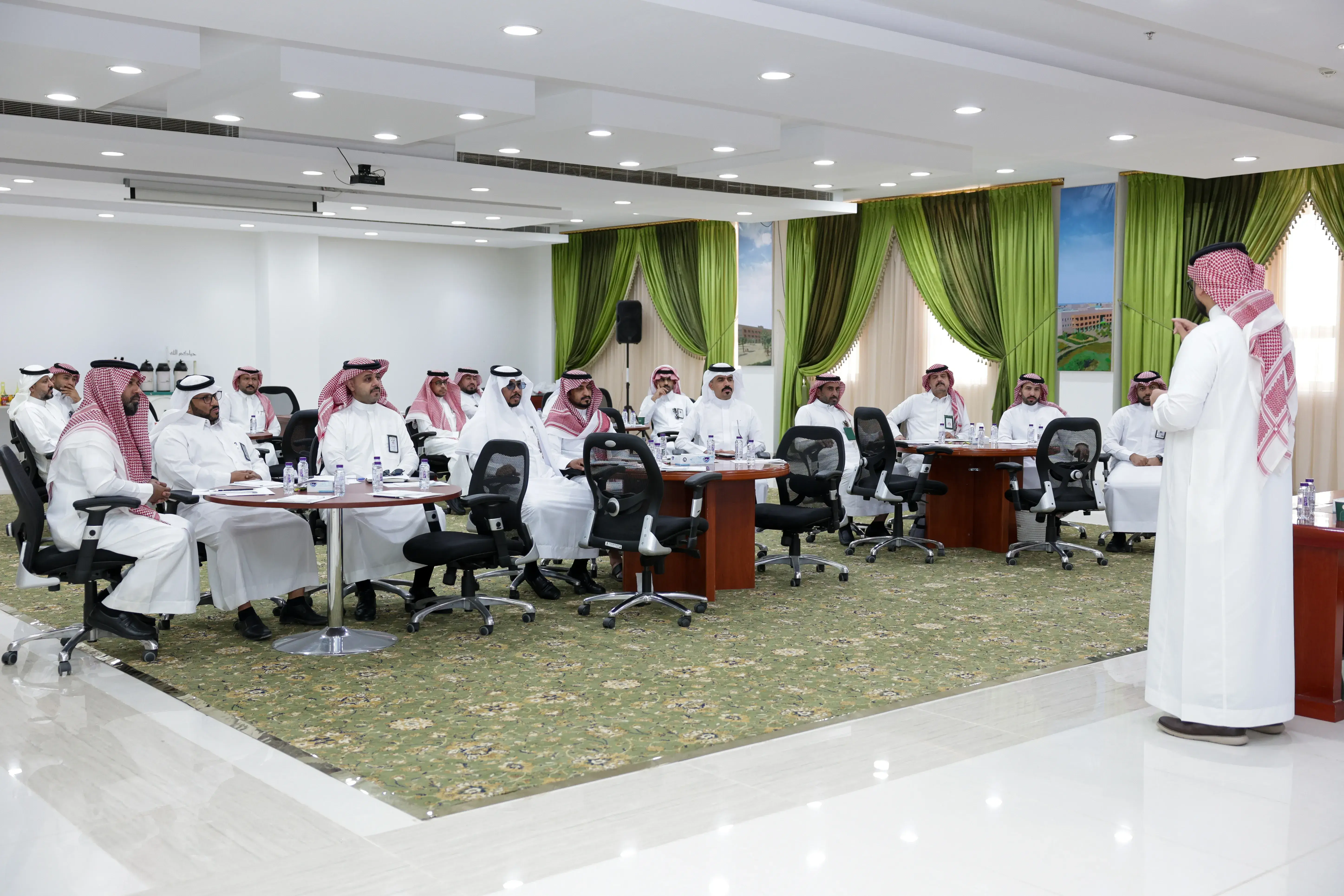
The program also reflects Jouf University’s keenness to enhance integration between the University and the region’s institutions by providing quality initiatives that respond to local development needs and support administrative and institutional development pathways in government entities. This positively reflects on the quality of services provided to beneficiaries, raises performance efficiency, and strengthens institutional readiness to address future changes and challenges.
In this context, President of Jouf University, Prof. Mohammed bin Abdullah Al-Shaya, affirmed that Jouf University views sustainable development as a national and institutional responsibility, and as an essential role of the University in serving both people and place. He stated that the University, through its training programs, scientific chairs, and community initiatives, seeks to transform academic knowledge into tangible developmental impact that contributes to advancing government performance, improving service quality, enhancing institutional efficiency, and building national capabilities capable of managing transformation with efficiency and professionalism.
He further noted that Jouf University continues to strengthen its developmental partnerships with various sectors in the region and expand its societal and knowledge impact through quality programs and sustainable initiatives. These efforts aim to raise institutional efficiency, develop human capabilities, and support development and transformation trends in government entities, in line with Saudi Vision 2030 objectives and in support of the University’s contribution to balanced and comprehensive development.
The program focused on presenting an integrated framework for the concept of sustainable government administration by linking the principles of good governance, risk management, performance measurement, and institutional transformation based on efficiency and sustainability. This framework helps government entities develop their administrative systems, improve the quality of their operations, enhance their readiness to face challenges, and strengthen their ability to achieve objectives efficiently and effectively.
The program targeted leaders in government entities, specialists in planning and institutional development, professionals working in quality and performance management, and those interested in sustainability applications in the government sector. It offered specialized training content that takes into account the nature of government work and links theoretical concepts with practical applications relevant to institutional realities.
The first session, presented by Dr. Hisham Al-Lahim, addressed Risk Management and Sustainable Crisis Preparedness. It focused on mechanisms for identifying and analyzing risks in the government sector, building response and sustainability plans, reviewing business continuity models, and dealing with emergencies and crises in a manner that ensures service stability and performance sustainability.
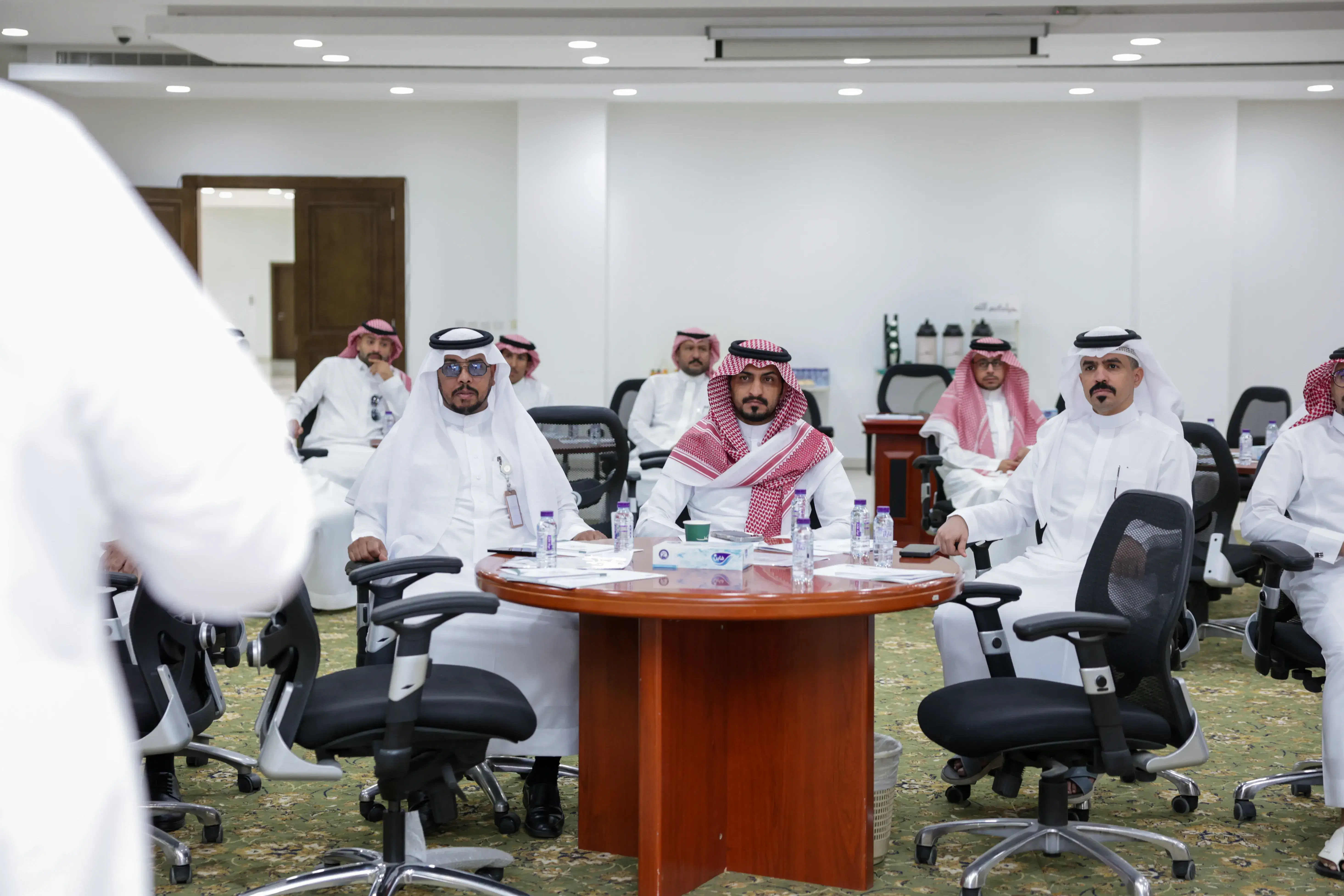
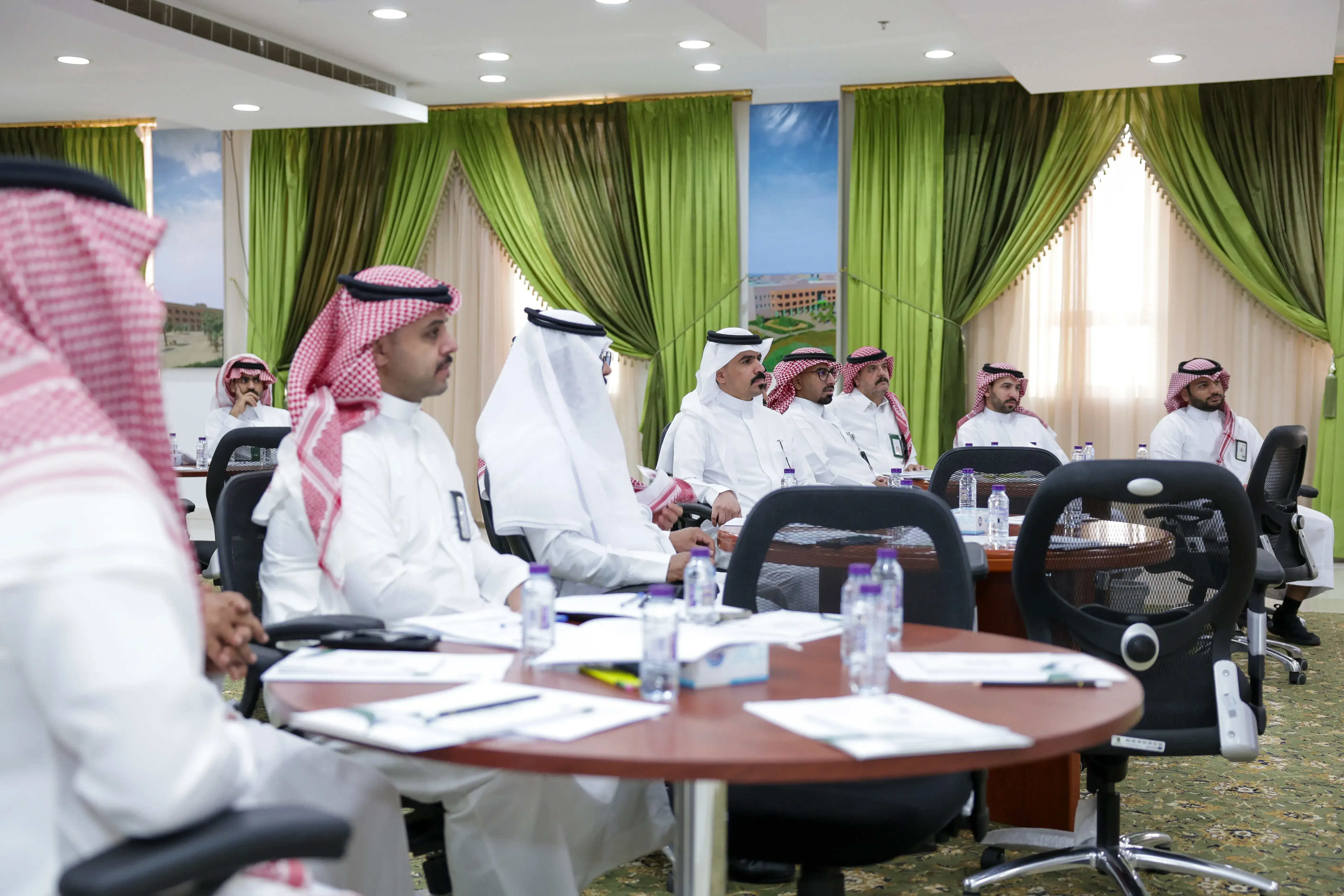
The second session, presented by Dr. Ghada Al-Waked, discussed Governance and Transparency in Government Agencies. It reviewed the principles and applied frameworks of good governance, mechanisms for enhancing transparency and accountability, and the role of governance in raising institutional performance efficiency, improving the quality of government work, and reinforcing a culture of commitment and responsibility.
The program concluded with a session on Measuring Performance Indicators and Linking Them to Institutional Sustainability, presented by Dr. Manwah Al-Shammari. The session reviewed mechanisms for designing key performance indicators, linking them to strategic objectives and institutional sustainability, and utilizing data and indicators to support decision-making, improve performance, and measure the impact of government initiatives and programs.
This training program embodies Jouf University’s direction toward maximizing its impact within its developmental environment and consolidating its role as a knowledge-based and strategic partner for government entities in Al-Jouf Region. Through such initiatives, the University contributes to capacity building, performance improvement, service quality enhancement, and the promotion of a culture of sustainability, governance, and efficiency, reflecting its position as a key driver of development and a national house of expertise supporting the achievement of Saudi Vision 2030.