


Jouf University President Honors Participants in the 2026 Summer Program: More Than 21,000 Beneficiaries and 19,000 Volunteer Hours in Programs Extending Their Impact Across the University and Community
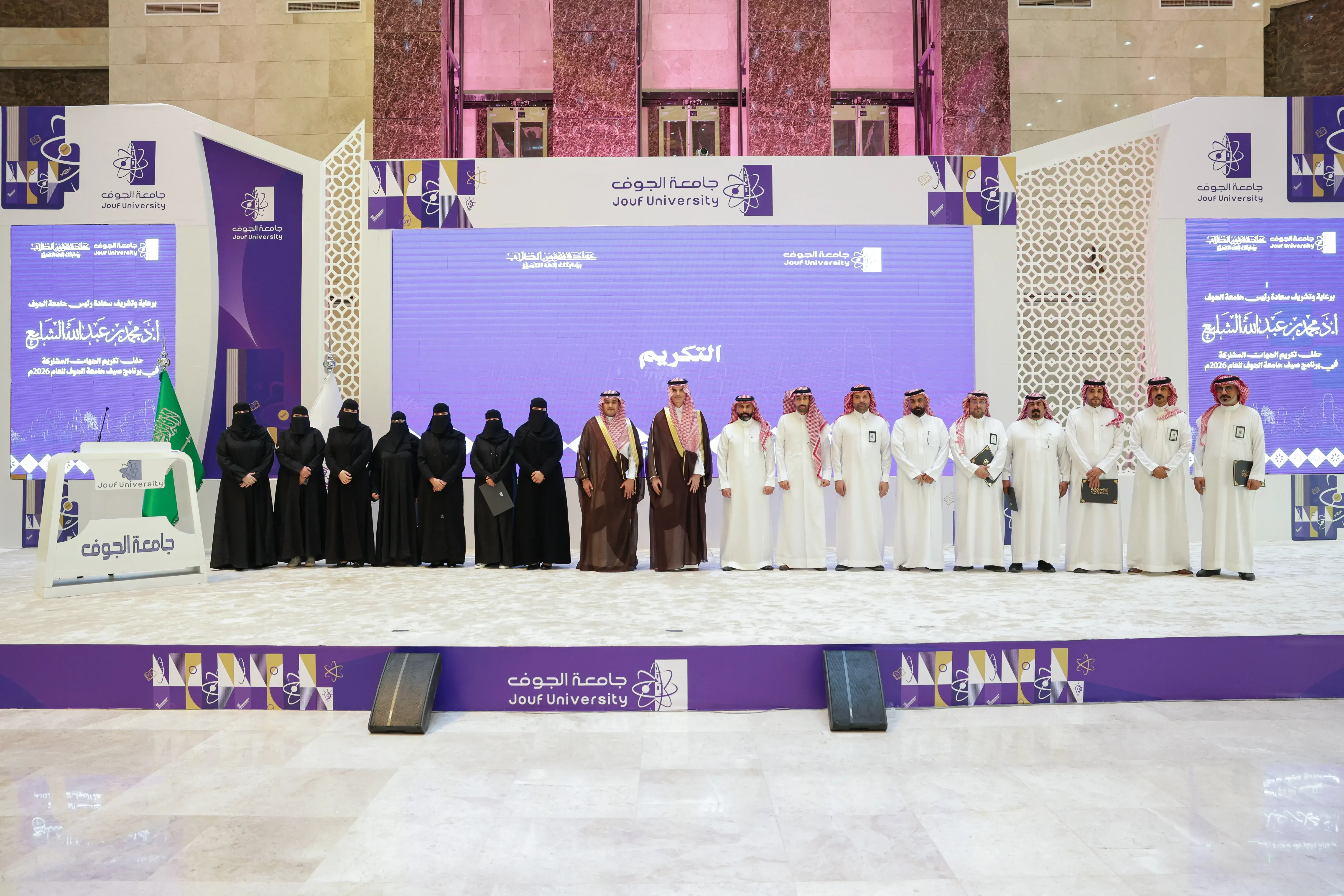
The President of Jouf University, Prof. Mohammed bin Abdullah Al-Shaya, honored the participants and contributors to the University’s 2026 Summer Program in recognition of their efforts in ensuring the program’s success, achieving its targets, and contributing effectively to the implementation of a diverse package of programs, initiatives, and activities that utilized the summer period to serve University students and members of the community. The program contributed to skills development, strengthened volunteerism and community engagement, and activated the University’s academic and professional capabilities in service of society.
The recognition ceremony marked the conclusion of a distinctive edition of the Summer Program, which successfully translated the University’s targets into measurable outcomes and indicators through the integrated efforts of its colleges, deanships, and various units. The program encompassed a wide range of tracks, including training and skills development, health and awareness programs, community initiatives, volunteer work, student and sports activities, as well as environment and sustainability initiatives. This diversity contributed to expanding the program’s reach and strengthening the University’s presence and community role throughout the summer.
Prof. Al-Shaya expressed his pride in the achievements of the program and commended the efforts of all participating colleges, deanships, and units, as well as faculty members, administrative staff, students, and male and female volunteers who contributed to its success.
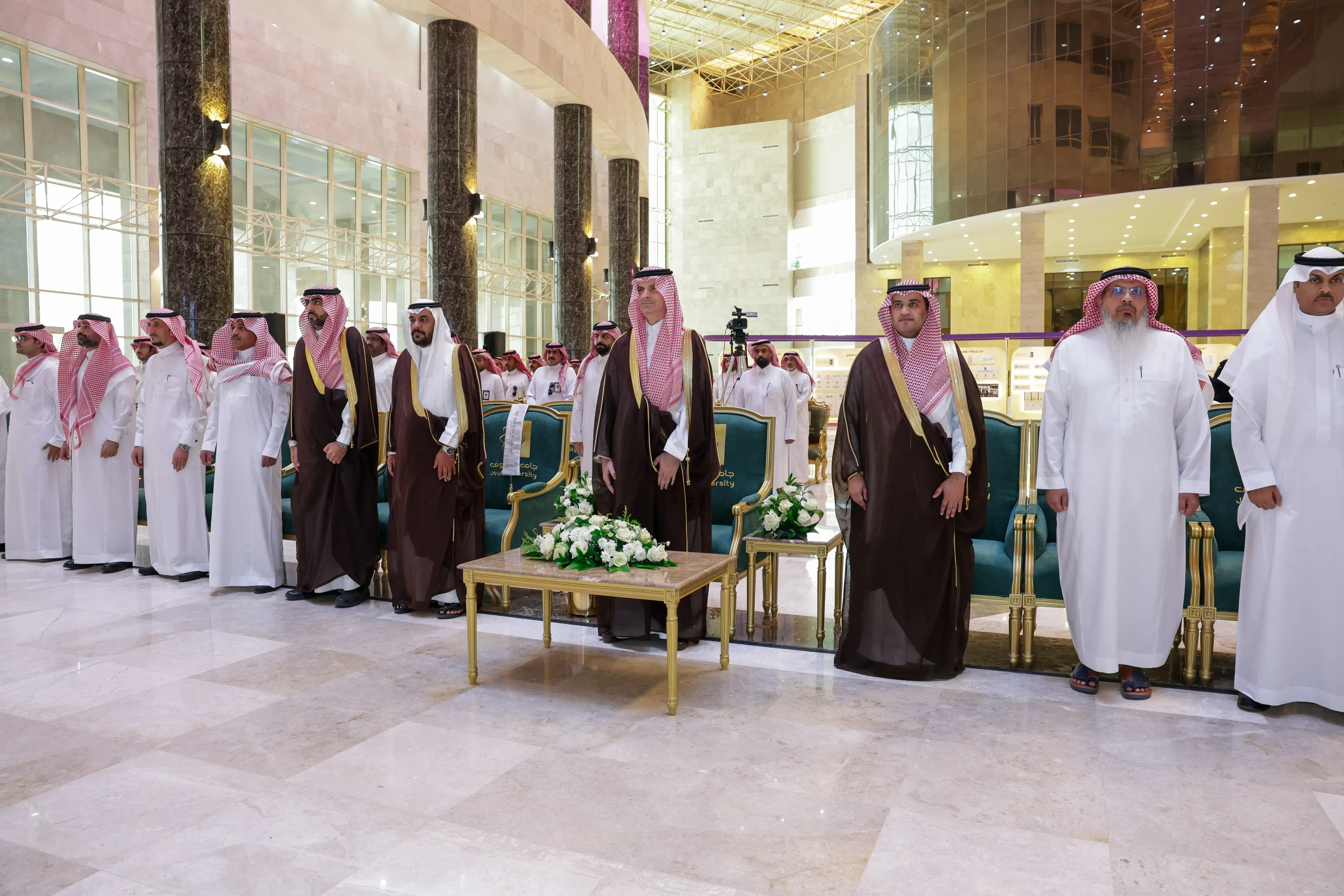
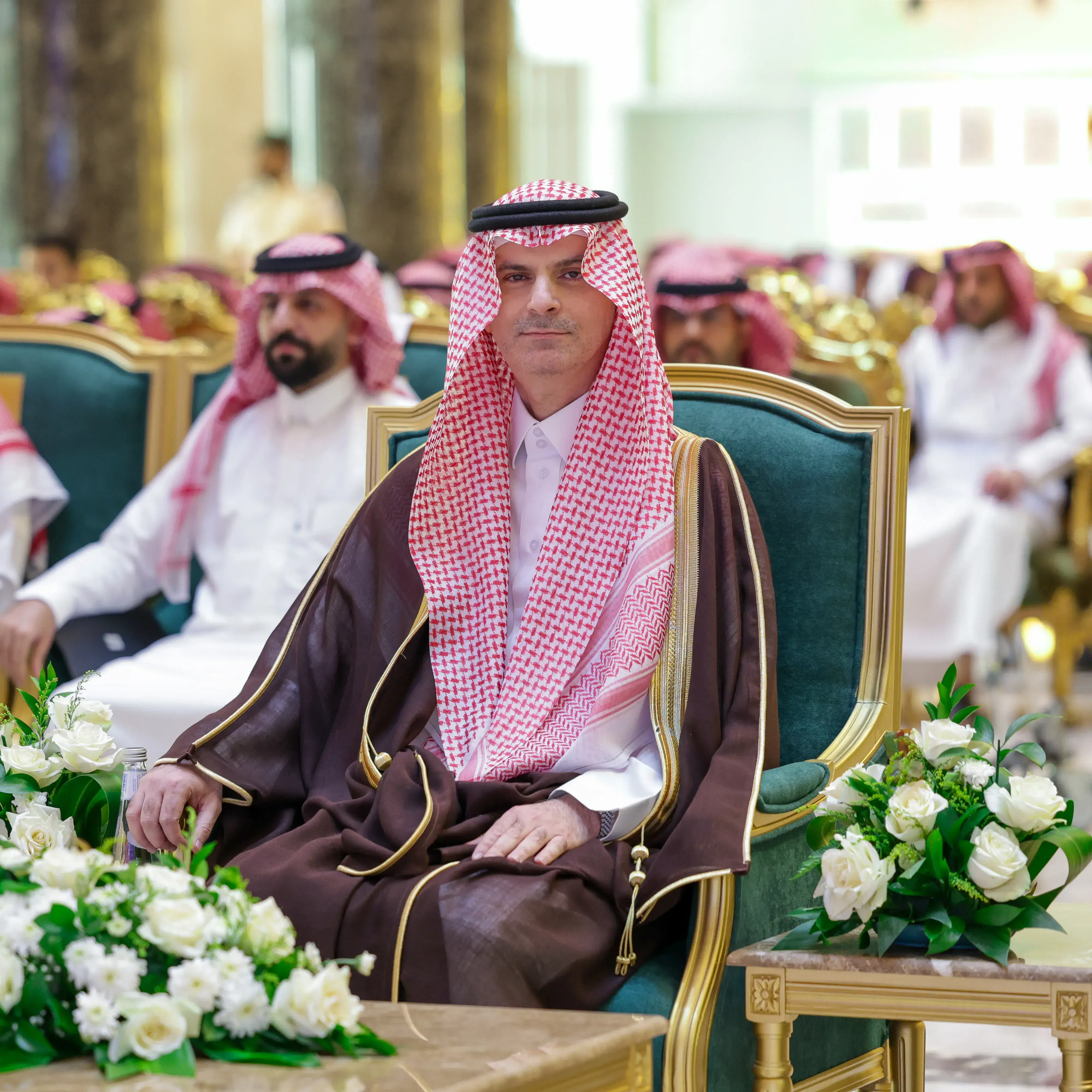
He noted that the achievements of this year’s Summer Program reflect the University’s ability to effectively leverage its resources and expertise and transform the summer period into an extended platform for learning, training, volunteering, and community service. He emphasized that the University’s role is not confined to classrooms, but extends into the wider community through knowledge, expertise, and initiatives that respond to needs, build capacities, and create sustainable impact.
He added that the University looks forward to building on the achievements of this edition and further developing future programs in ways that enhance content quality, broaden participation, increase qualitative impact, and provide students with greater opportunities to refine their skills, discover their abilities and talents, and strengthen the values of responsibility, citizenship, and volunteerism.
The program’s final report revealed that all five key performance indicators established at the outset were achieved. The number of beneficiaries of the programs and activities reached 21,383, compared with a target of more than 16,000 beneficiaries. The University also delivered more than 70 programs and activities, provided over 210 training hours, recorded more than 19,000 accredited volunteer hours, and engaged 1,613 male and female volunteers.
The results also reflected a notable overachievement of several targets. The program achieved 133.6% of its beneficiary target, exceeding the planned figure by more than 5,383 beneficiaries. It also achieved 173% of its volunteer-hours target, recording more than 8,000 volunteer hours above the original target, underscoring the broad scale of participation and the tangible impact of the University’s summer initiatives.
The University Pavilion and its accompanying activities represented one of the key components of the Summer Program. It was activated as a direct community platform bringing together several University units and offering awareness, health, and community services and programs to beneficiaries, with the aim of strengthening direct engagement with the public and expanding access to the University’s services and initiatives.
The pavilion and accompanying activities attracted more than 18,000 beneficiaries and visitors, featured more than 60 activities, programs, and initiatives, and delivered over 40 specialized services and initiatives. More than 1,500 male and female volunteers participated, while the training and awareness hours provided through this track exceeded 200 hours.
These efforts were distributed across five implementation tracks: health and awareness, admissions and university services, training and skills development, environment and sustainability, and accompanying activities, providing a diverse range of services and reaching different segments of beneficiaries.
The Summer Program also extended to the sports sector through a series of tournaments designed to move beyond recreational competitions toward enhancing the competitive readiness of University students, identifying promising sporting talent, recruiting athletes to University teams, and preparing them for participation in Saudi Universities Sports Federation competitions with the aim of achieving advanced positions and results.
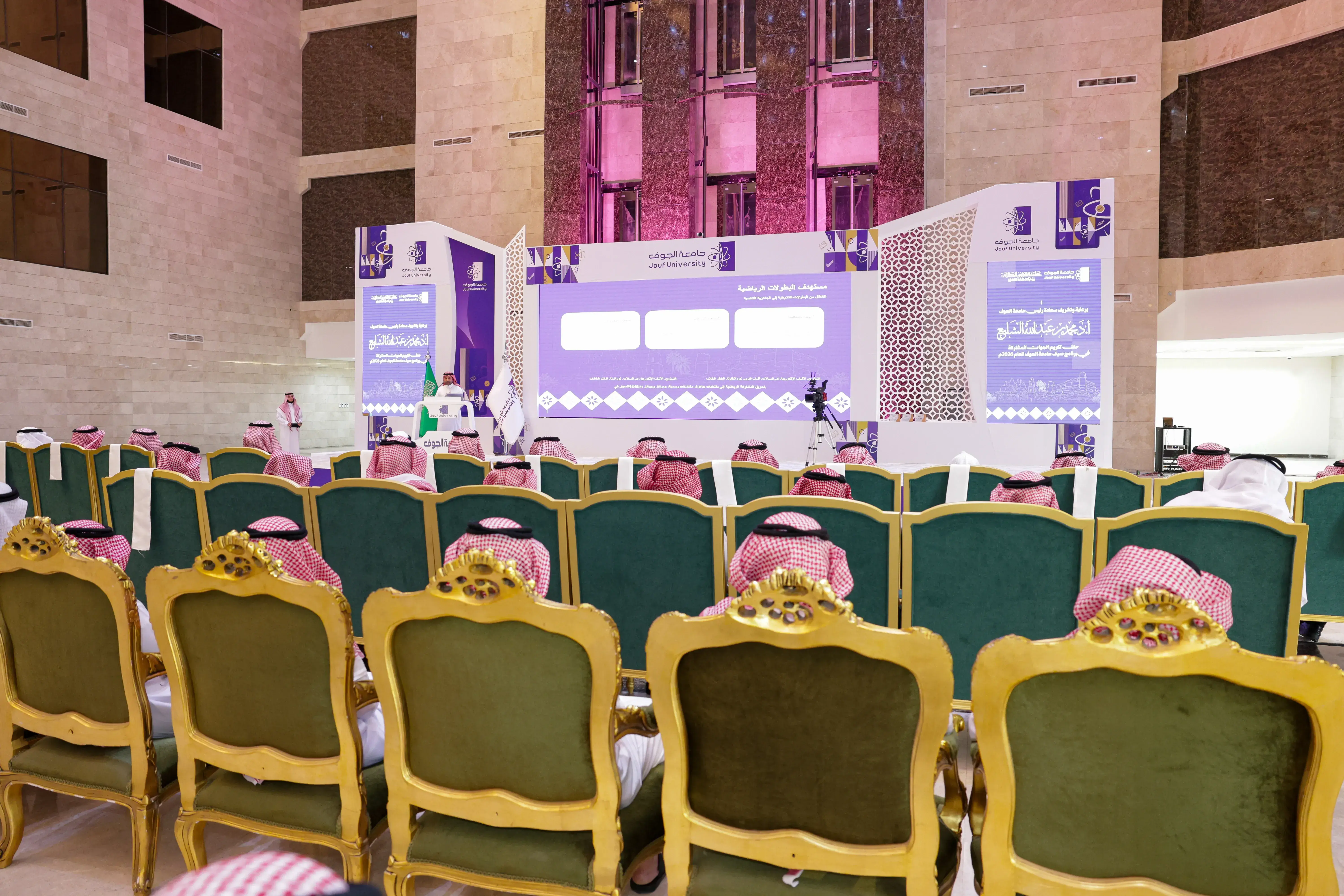
The sports track featured 8 tournaments, with the participation of 71 teams and 353 male and female athletes. The number of participants, beneficiaries, and visitors attending the sports tournaments exceeded 2,458. This figure is calculated as a separate indicator and is not included in the overall total of 21,383 beneficiaries of the programs and activities.
The targeted competitions for male students included chess, esports, futsal, athletics, table tennis, and padel, while competitions for female students included chess, esports, futsal, basketball, and padel. These activities were part of the University’s approach to identifying talent and developing teams that are better prepared for official competitions.
The program’s overall outcomes reflected an integrated model for maximizing the value of the summer period. Its impact went beyond the number of programs and participants to include skills development, the promotion of volunteerism, broader community engagement, support for health and awareness programs, and expanded opportunities for student and sports participation. These outcomes demonstrate the integrated role of the University’s various units in serving both students and the wider community.
The recognition of the program’s participants reflects Jouf University’s appreciation of the collective efforts that contributed to these achievements, reinforces a culture of recognition, institutional collaboration, and integration across its units, and encourages the continued development of initiatives that create added value for students and society. The 2026 edition of the program concluded under a theme that summarizes its achievements:
“Targets Achieved… Impact Extended to University Students and the Community.”