Under the Patronage of Jouf University President, (A Nation We Care For) Program Achieves Significant Community Impact, Benefiting Over 5,000 People Through 67 Services and 216 Volunteers
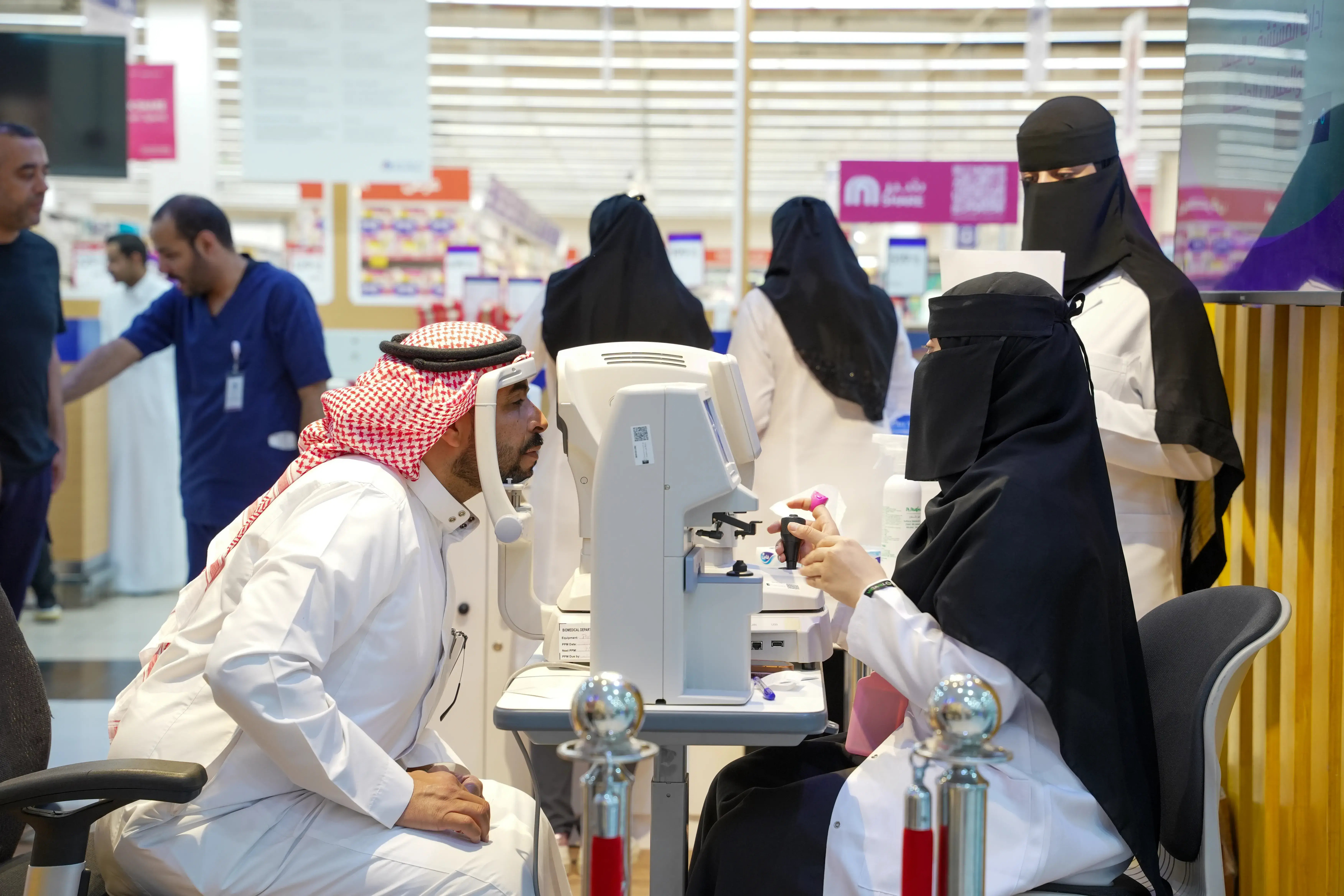
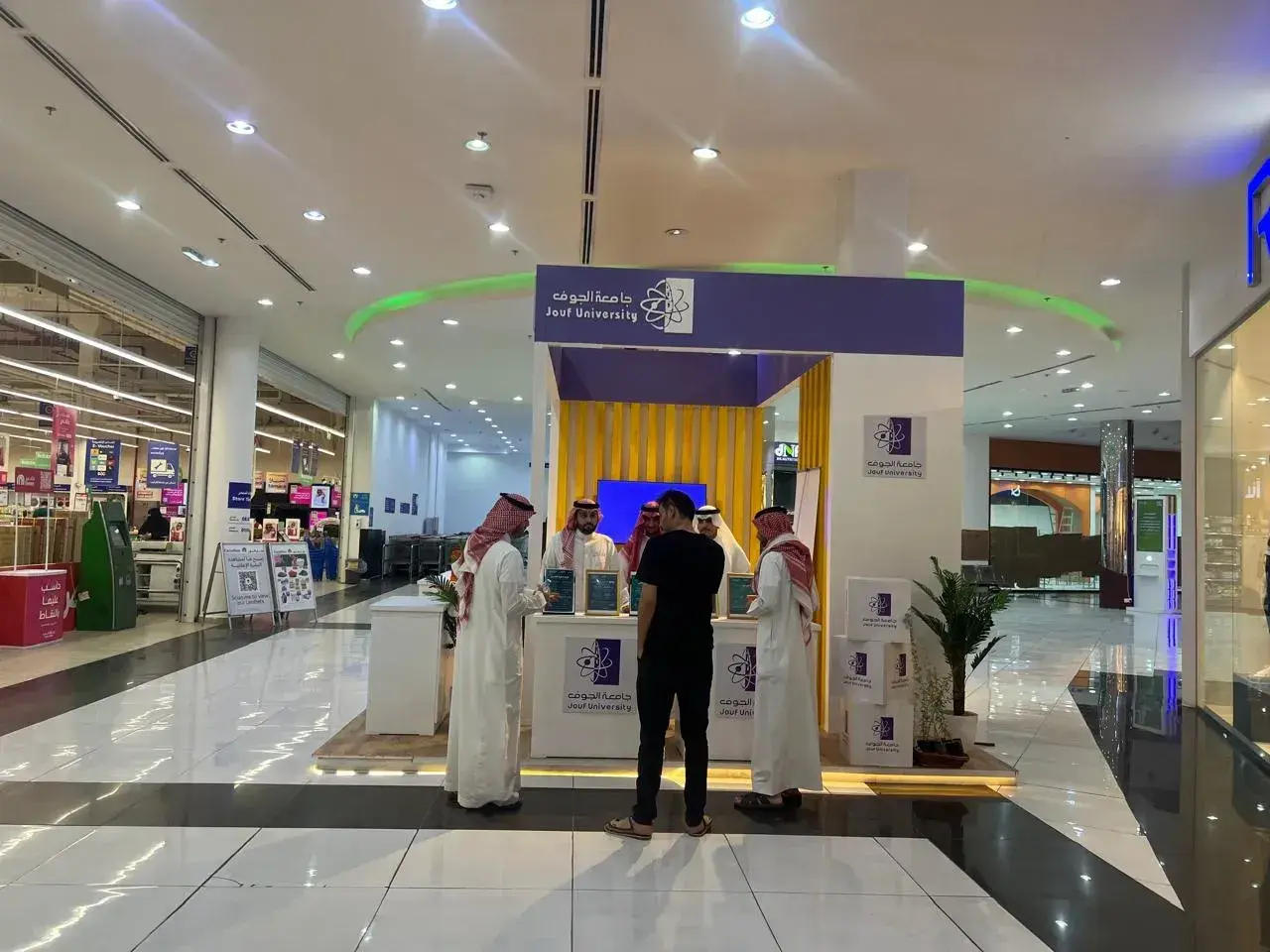
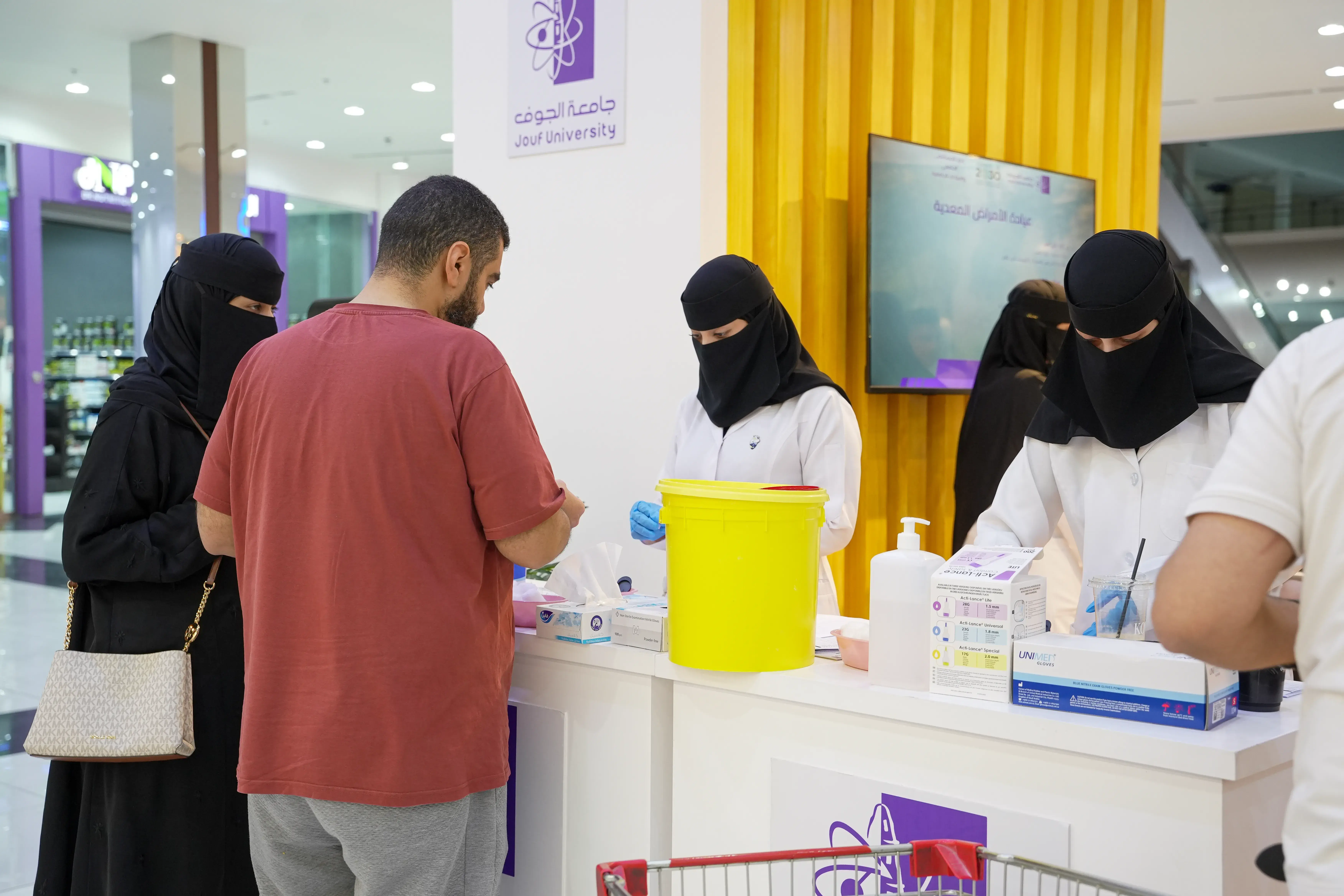
Reflecting its national mission and commitment to social responsibility, and reinforcing its role in harnessing knowledge and academic expertise to serve people and advance community development, Jouf University has achieved a significant community impact through its “Watanun Nar’ah” (A Nation We Care For) program. Held under the patronage of the University President, Prof. Mohammed bin Abdullah Al-Shaya, from October 1 to 11, 2026, the program brought together seven university entities to implement seven specialized initiatives. These initiatives benefited more than 5,000 people through 67 diverse community services, with the participation of 216 male and female volunteers who contributed over 2,000 volunteer hours.
The program builds on Jouf University’s ongoing efforts to strengthen social responsibility, promote a culture of volunteerism and giving, and mobilize its academic, research, and human resources to serve the community and respond to its needs. Through integrated initiatives encompassing healthcare, awareness, education, and development services, the program seeks to enhance quality of life, raise community awareness, and reinforce the values of citizenship and national belonging, in alignment with the objectives of Saudi Vision 2030.
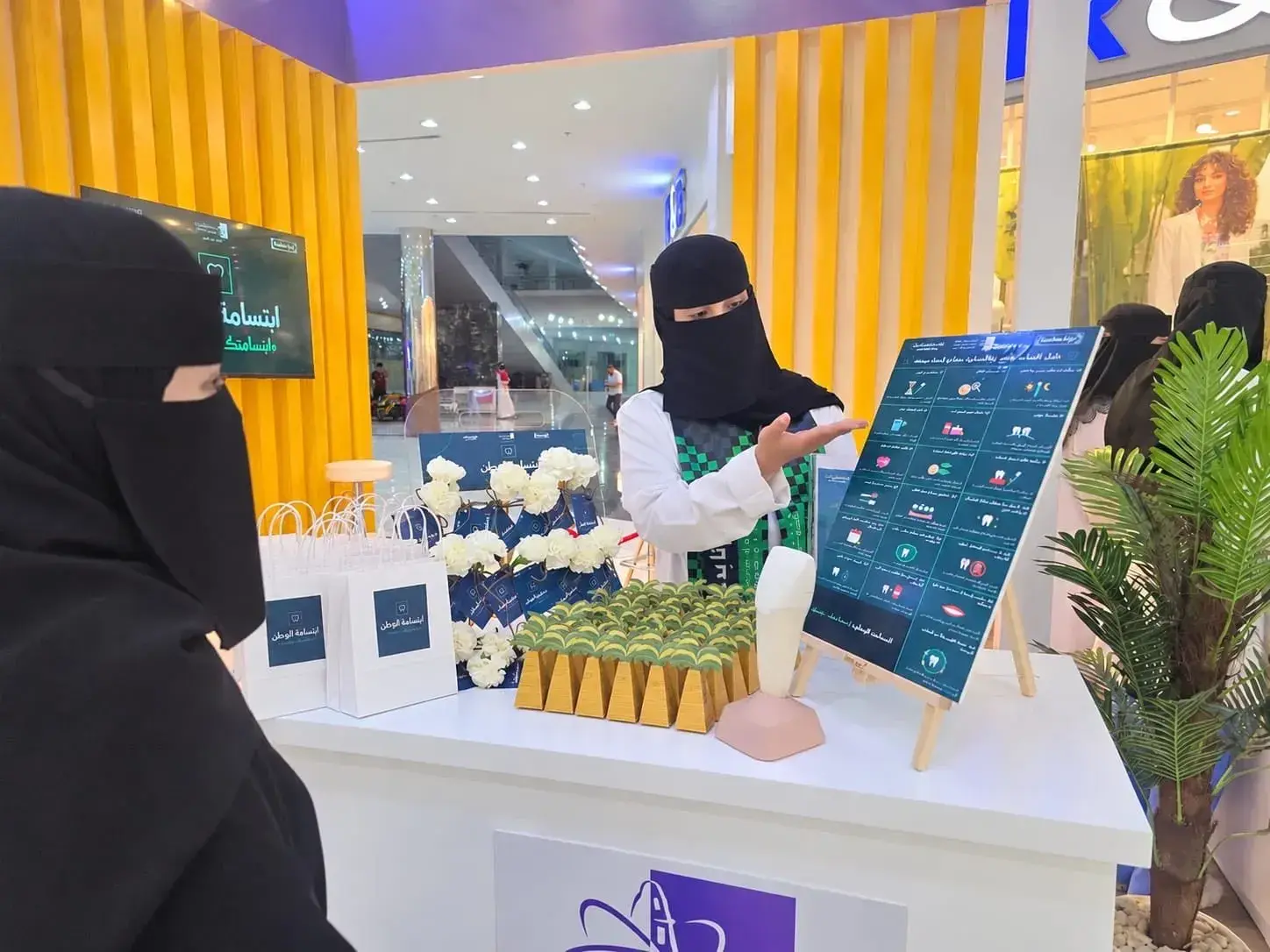
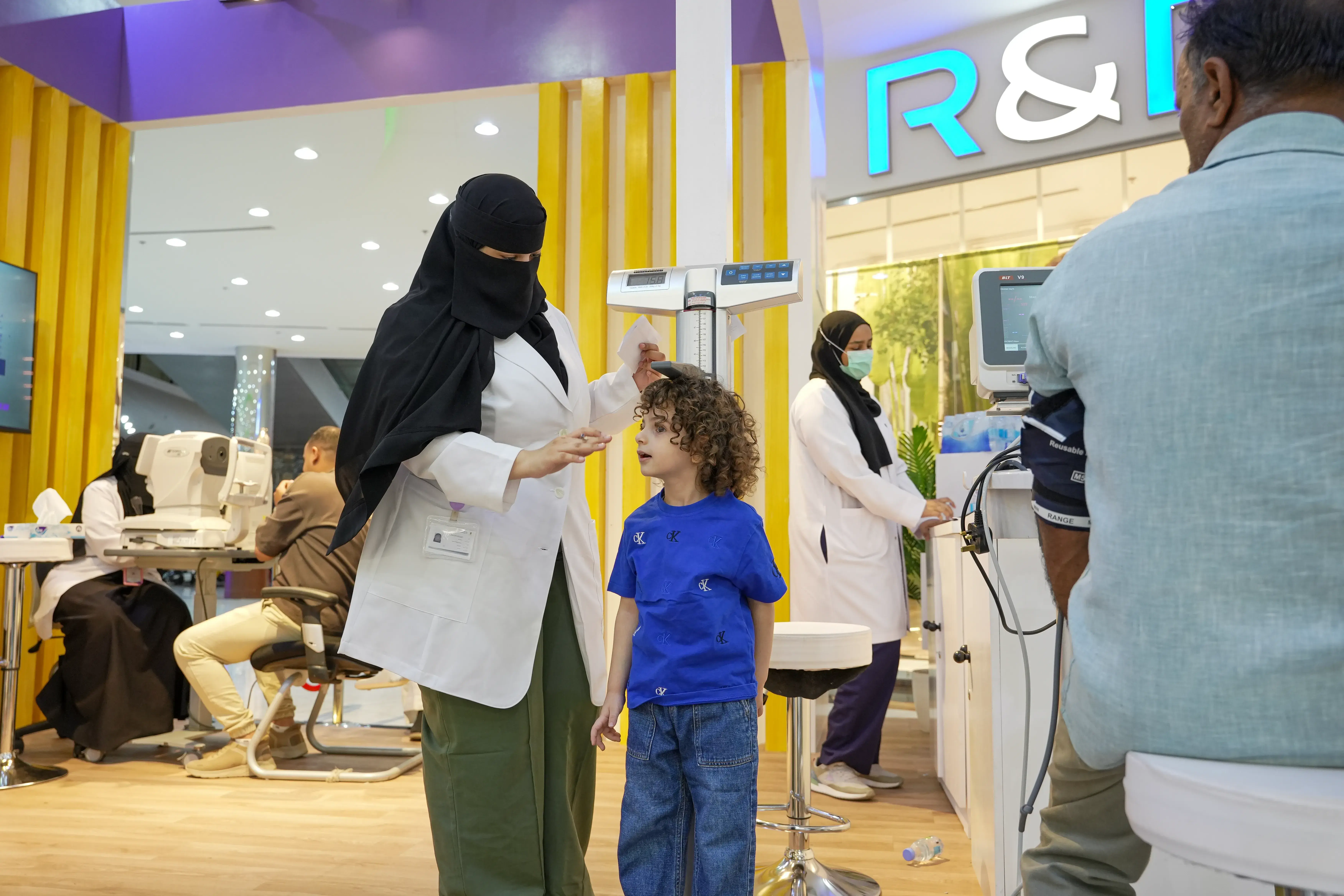
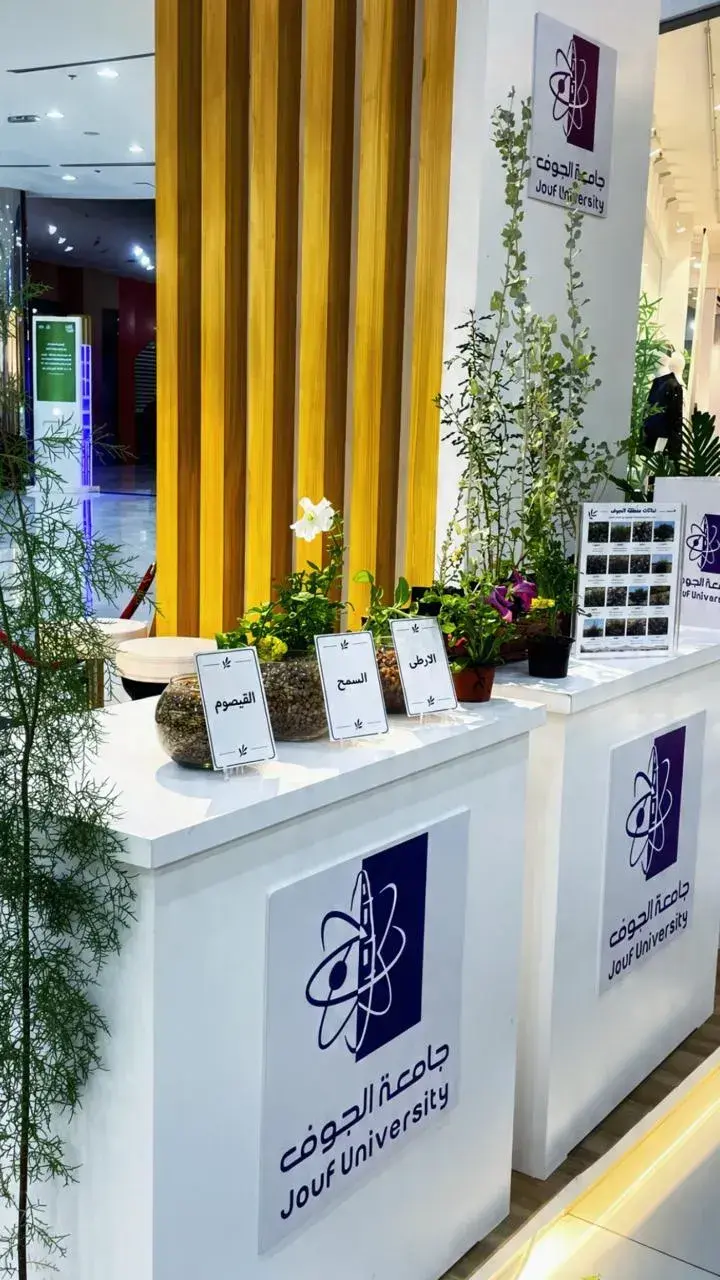
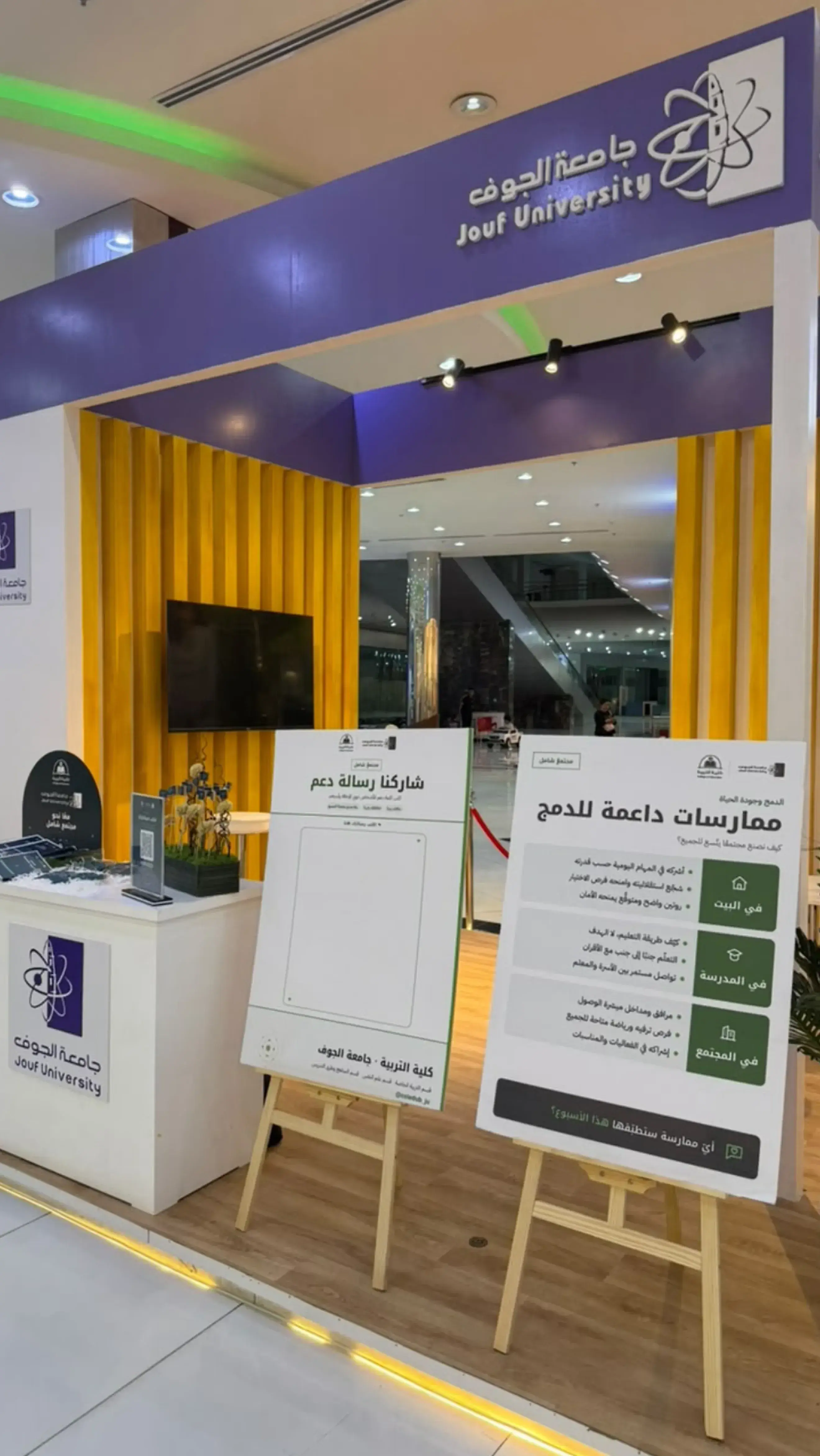
The program demonstrated an effective model of institutional integration between academic disciplines and community services through the participation of seven university entities: the University Hospital and University Clinics Administration, the College of Applied Medical Sciences, the College of Dentistry, the College of Engineering, the College of Business, the College of Science, and the College of Education. These entities contributed to implementing a diverse range of initiatives that leveraged specialized expertise and available resources to serve community members and expand access to university services, reflecting the complementary nature of the University’s educational, healthcare, and developmental roles.
The program was distinguished by the diversity of its activities and the broad scope of its services. The seven initiatives served as a community platform for delivering specialized services, promoting awareness, and enabling academic professionals, specialists, and students to participate in activities with a direct and meaningful impact. This approach strengthened the University's connection with the local community and translated scientific knowledge into practical applications that serve people and improve their quality of life.
In the area of volunteerism, the program demonstrated the active engagement of University staff and students, with 216 male and female volunteers contributing more than 2,000 volunteer hours. Their participation embodied the spirit of initiative, responsibility, and generosity, while underscoring the University's commitment to fostering a culture of volunteerism, developing participants' skills, and strengthening their contributions to community service. These efforts help establish volunteerism as an institutional practice with sustainable developmental and humanitarian impact.
The program's outcomes also demonstrated its ability to reach a broad range of beneficiaries, delivering 67 diverse services to more than 5,000 individuals. These achievements reflect the effectiveness of collaboration among participating entities and highlight the importance of aligning university initiatives with community needs while maximizing the benefits of academic expertise and specialized resources across various fields.
The patronage of the University President, Prof. Mohammed bin Abdullah Al-Shaya, underscores the University leadership's commitment to making social responsibility a fundamental pillar of its institutional mission. It also reflects the University's determination to strengthen the role of its colleges and departments in delivering impactful initiatives that extend beyond campus boundaries to reach the wider community. This approach is rooted in a vision that integrates education, scientific research, and community service, transforming initiatives into tangible achievements that demonstrate the University's developmental impact.
The “Watanun Nar’ah” program represents a practical model for strengthening partnerships between the University and the community by unifying efforts, investing in human capabilities, and promoting specialized and volunteer-based engagement. It reinforces the pivotal role of universities in supporting local development, enhancing community services, and promoting health and developmental awareness among different segments of society.
Through these initiatives, Jouf University continues to reaffirm its commitment to its national and developmental responsibilities, strengthening its position as an active academic and community institution that transforms knowledge into a means of giving, volunteerism into a value of participation, and service to humanity into a goal of development. In doing so, the University contributes to building a more aware, healthier, and more prosperous society while creating sustainable impact that extends beyond individual initiatives toward broader horizons of social responsibility and community partnership.