


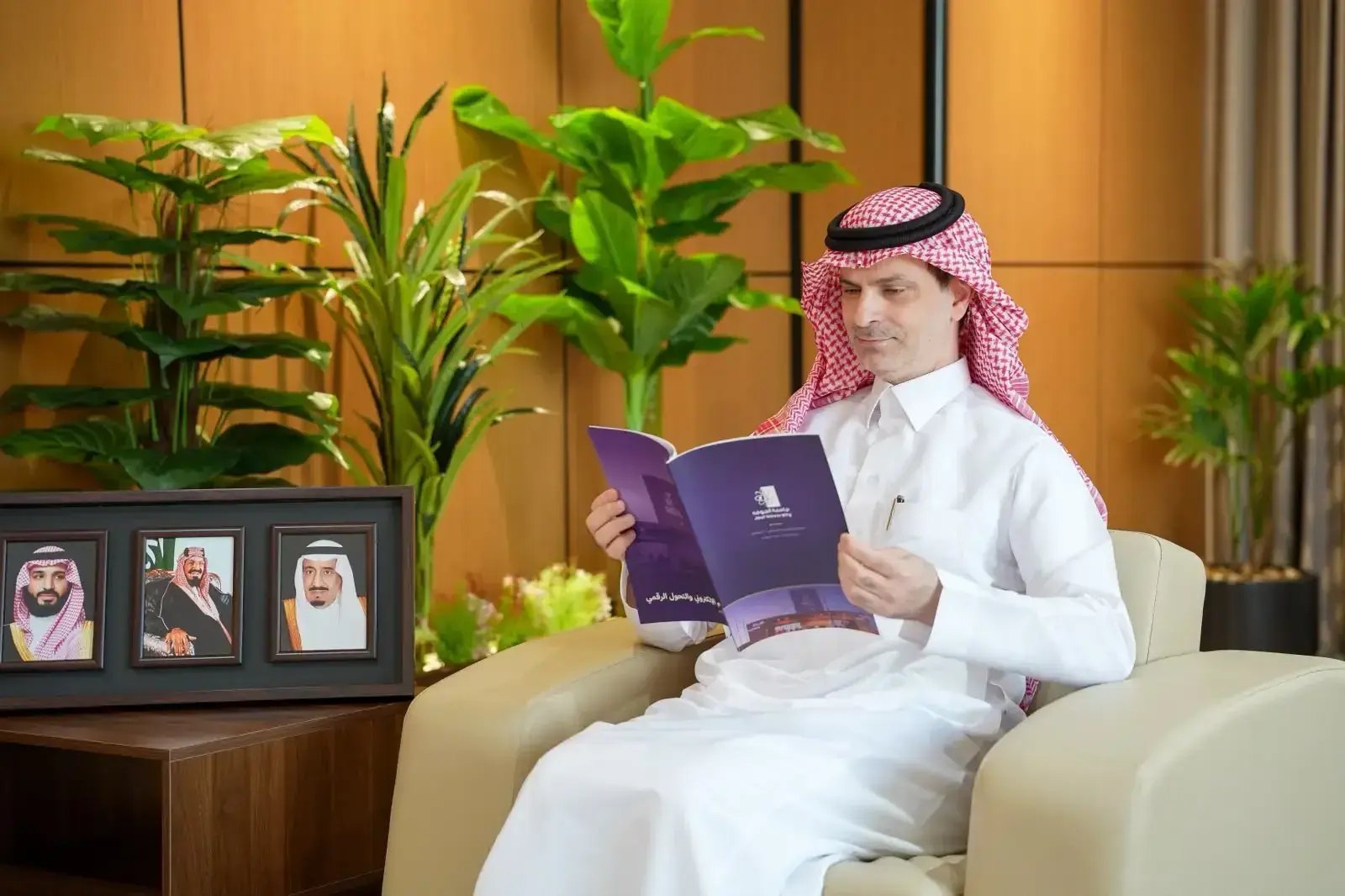
Jouf University President Reviews the Annual Report of the Deanship of E-Learning and Digital Transformation, Highlighting Its Achievements and Future Targets
His Excellency the President of Jouf University, Prof. Mohammed bin Abdullah Al-Shaya, received Dr. Badr bin Munif Al-Dughaifiq, Dean of the Deanship of E-Learning and Digital Transformation, and Dr. Fawaz bin Juhaym Al-Ruwaili, Vice Dean for E-Learning. During the meeting, the Deanship’s annual report for the academic year 1447 AH was reviewed, highlighting key performance indicators and qualitative achievements in e-learning, digital transformation, artificial intelligence, the development of digital systems and services, infrastructure, and capacity building.
His Excellency was briefed on the significant transformation witnessed by the University’s digital learning ecosystem during the year, most notably the transition to the cloud-based Blackboard Ultra environment as part of an integrated institutional transformation project. The initiative has enhanced the teaching and learning experience, enabled the use of artificial intelligence and learning analytics tools, and strengthened faculty members’ ability to manage courses and assessments and monitor student progress more effectively. A total of 13,995 course sections were activated on the platform, serving more than 13,600 students, while 14,950 virtual sessions were conducted. Faculty satisfaction reached 96%, while student satisfaction stood at 94%.
The meeting also highlighted the University’s international achievement in receiving the 2026 Catalyst Award for Teaching Excellence, following a global competition involving 136 educational institutions from 19 countries. The award recognized Jouf University’s experience in leveraging Blackboard Ultra to advance the educational process, reflecting the maturity of the University’s digital learning ecosystem and its ability to transform technology into an effective tool for improving educational quality and outcomes.
The report also addressed the expanded adoption of advanced technologies across the learning environment, including the Smart Interactive Screens Initiative, which covered 171 screens, in addition to artificial intelligence and educational data analytics initiatives, the activation of the “Murshid” Smart Academic Advising Project, and data analytics tools designed to support academic decision-making, enable early intervention, and enhance the beneficiary experience.
His Excellency was also briefed on the Deanship’s efforts to develop digital services and systems through national expertise. The Deanship’s teams developed seven systems and platforms in-house without external vendors, in addition to registering seven open-source government software solutions and strengthening integration with national platforms and services. These efforts have contributed to improving operational efficiency, accelerating procedures, and enhancing the beneficiary experience. During the year, the systems processed more than 625,000 electronic referrals and approximately 61,000 electronic transactions.
The presentation also covered developments in technical infrastructure, cloud transformation, security, and business continuity. The Deanship manages an advanced network ecosystem and data centers, along with more than 7,000 wireless access points. It also implemented 6,784 cybersecurity measures and continued progressing with its multi-cloud transformation plan, completing 50% of the first phase. These efforts enhance system reliability, business continuity, and the readiness of the University’s digital environment for future growth.
The report further reviewed the Deanship’s efforts in capacity building and strengthening digital culture through 26 workshops and training programs, benefiting 243 University employees. The programs covered artificial intelligence, information technology, networking, and digital transformation, while also supporting the attainment of specialized professional certifications. These initiatives strengthen the readiness of University personnel to engage with emerging technologies and utilize them to enhance institutional performance.
In the area of digital presence, the report showed continued growth in engagement with the University’s digital platforms. The University website attracted approximately 685,000 users and recorded 3.9 million views, while compliance with the Digital Content Index reached 99%, reflecting ongoing efforts to improve content quality, strengthen the University’s digital presence, and facilitate access to its services and information.
His Excellency Prof. Mohammed bin Abdullah Al-Shaya emphasized that digital transformation is no longer merely a supporting technical function, but a key enabler for achieving the University’s strategic objectives, improving the quality of education, enhancing operational efficiency, and enriching the student and beneficiary experience. He stressed the importance of building on the achievements already made and further expanding the use of artificial intelligence, data analytics, cloud computing, and service automation in a manner that keeps pace with the rapid transformation of the education sector and contributes to achieving the objectives of Saudi Vision 2030.
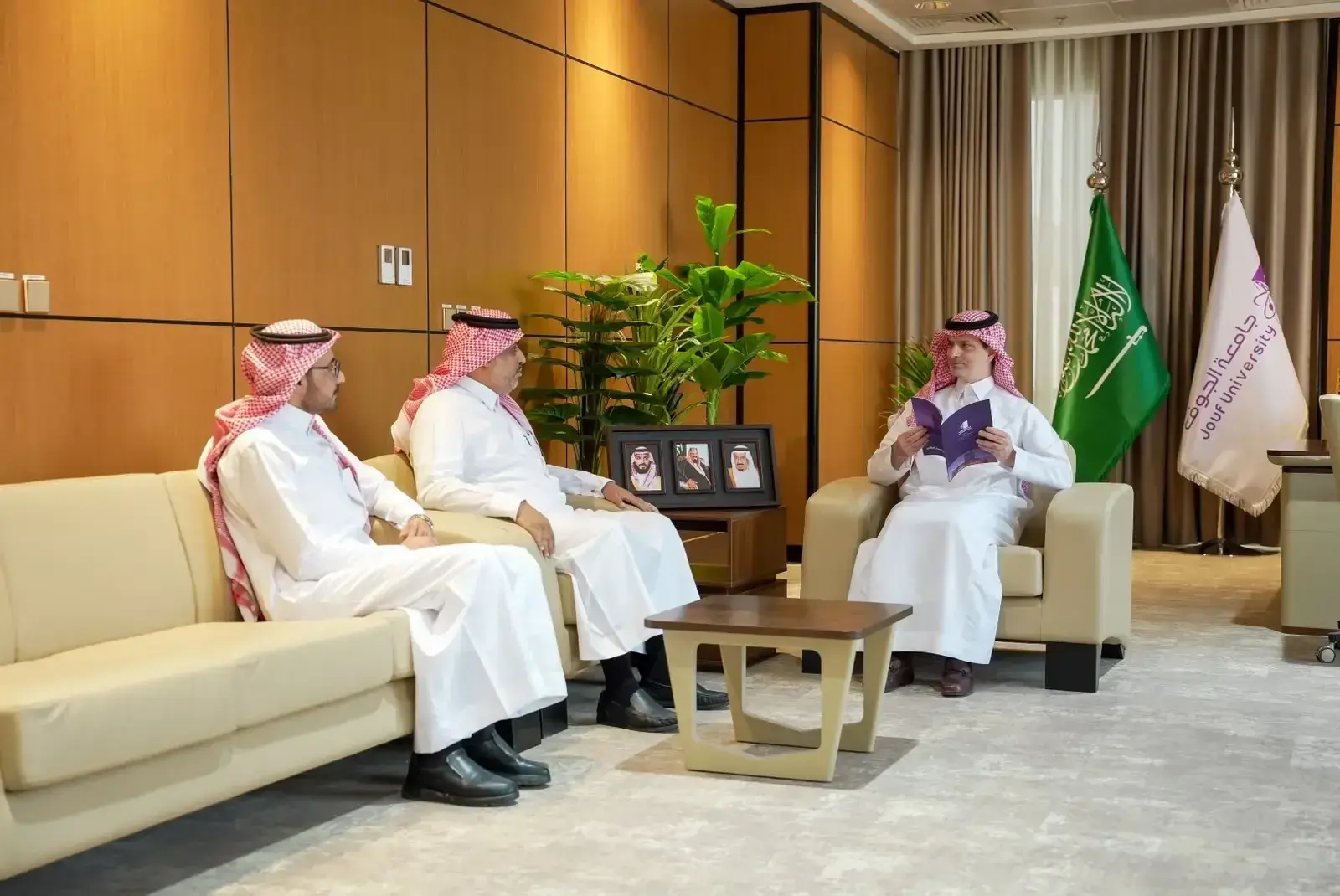
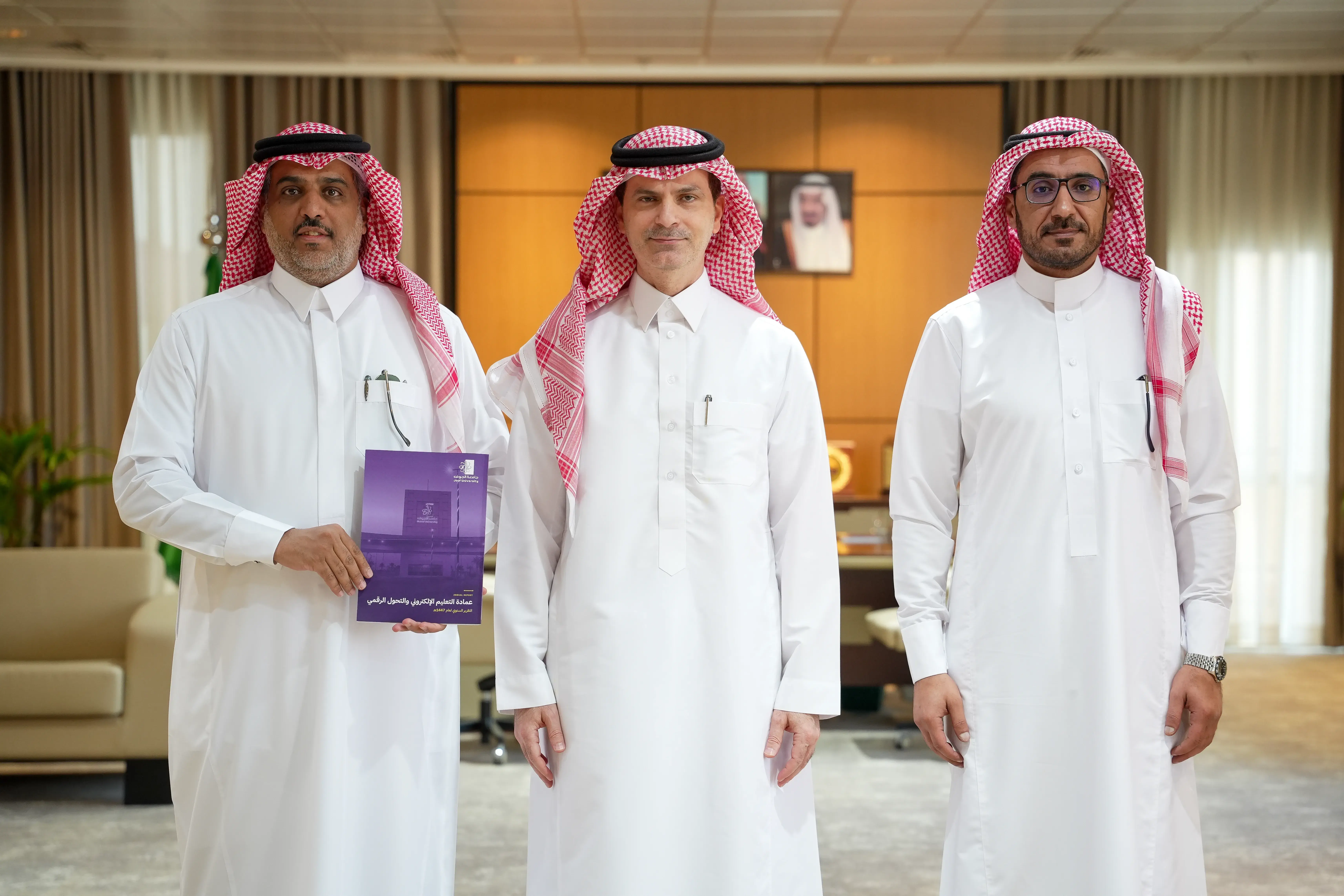
His Excellency commended the Deanship’s qualitative achievements and international recognition, emphasizing that the next phase requires continued progress from the digitization of services toward building a smart and integrated university ecosystem that leverages data and emerging technologies to improve decision-making, increase operational efficiency, enhance the learning experience, and strengthen the reliability and sustainability of digital services. He also expressed his appreciation for the efforts of the Dean, Vice Deans, and all Deanship personnel, as well as their integration and collaboration with the University’s various sectors.
For his part, Dr. Badr bin Munif Al-Dughaifiq, Dean of the Deanship of E-Learning and Digital Transformation, expressed his appreciation for the continued support and follow-up of His Excellency the University President for digital transformation projects and initiatives. He noted that the achievements accomplished during the year are the result of integrated institutional efforts and represent a starting point for a more advanced phase in cloud computing, artificial intelligence, data analytics, digital service governance, and information security, further strengthening the University’s ability to build an advanced and sustainable digital educational and administrative environment.