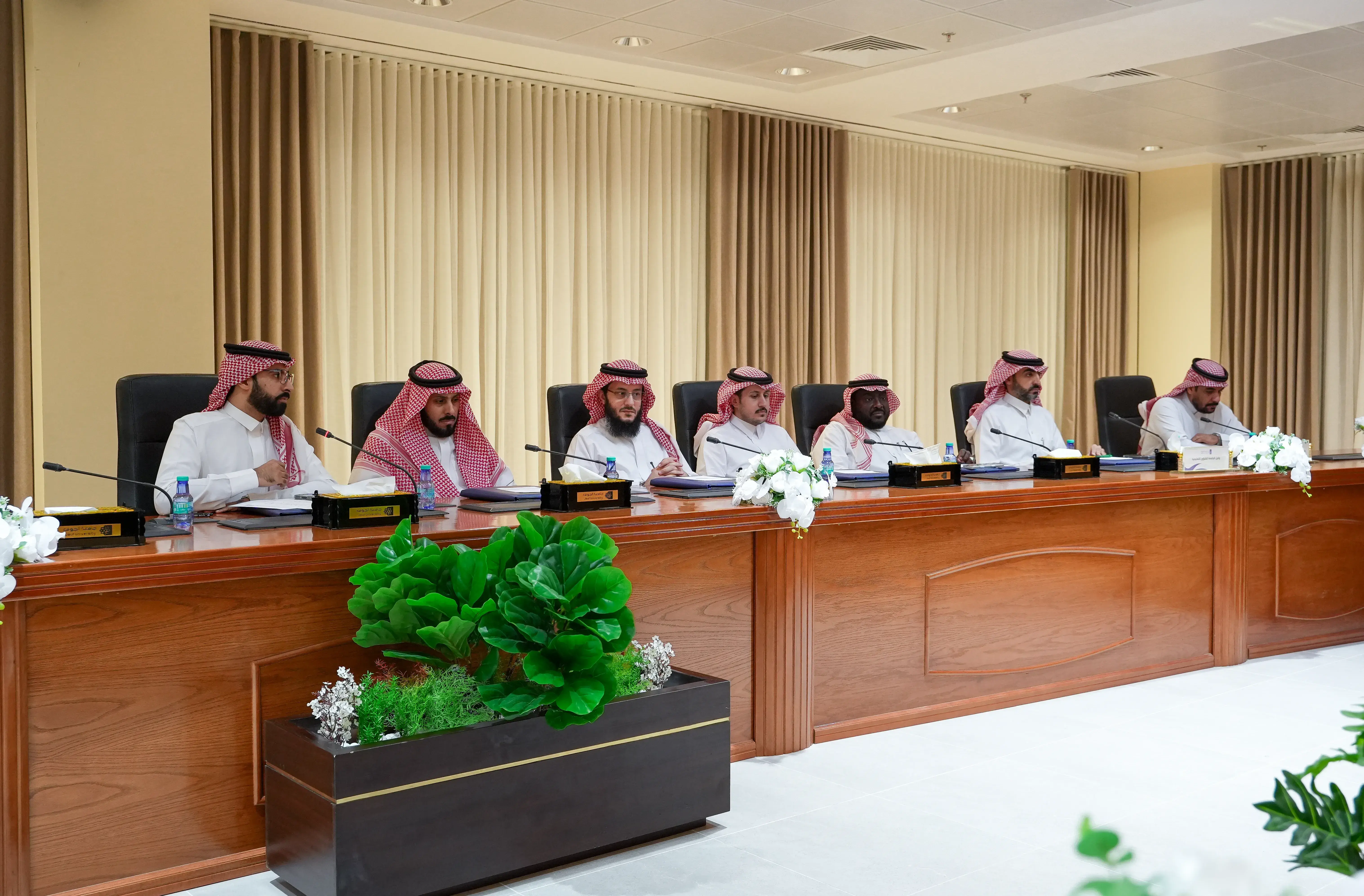
Jouf University President Prof. Mohammed bin Abdullah Al-Shaya Chairs Faculty Advisory Council Meeting and Highlights the Role of Academic Talent in Advancing the University and Shaping Decision-Making
The President of Jouf University, Prof. Mohammed bin Abdullah Al-Shaya, chaired a meeting of the Faculty Advisory Council, attended by Council members, to discuss a range of academic and developmental matters and review proposals aimed at enhancing the university environment, improving the quality of education and scientific research, and strengthening faculty participation in institutional development and decision-making.
At the outset of the meeting, the University President welcomed the Council members and emphasized the Council’s important role as an institutional platform for dialogue and consultation. He described it as an effective channel for conveying faculty aspirations and proposals and drawing on their academic and scholarly expertise to support the University’s progress and enhance its performance, thereby strengthening its ability to achieve its strategic objectives and fulfill its educational, research, and community engagement mission.
Prof. Al-Shaya stated that the University regards its faculty members as the cornerstone of its academic system and its most important partners in developing academic programs and curricula, improving teaching practices, advancing scientific research and innovation, and equipping students with the knowledge and skills required to compete and contribute effectively to national development.
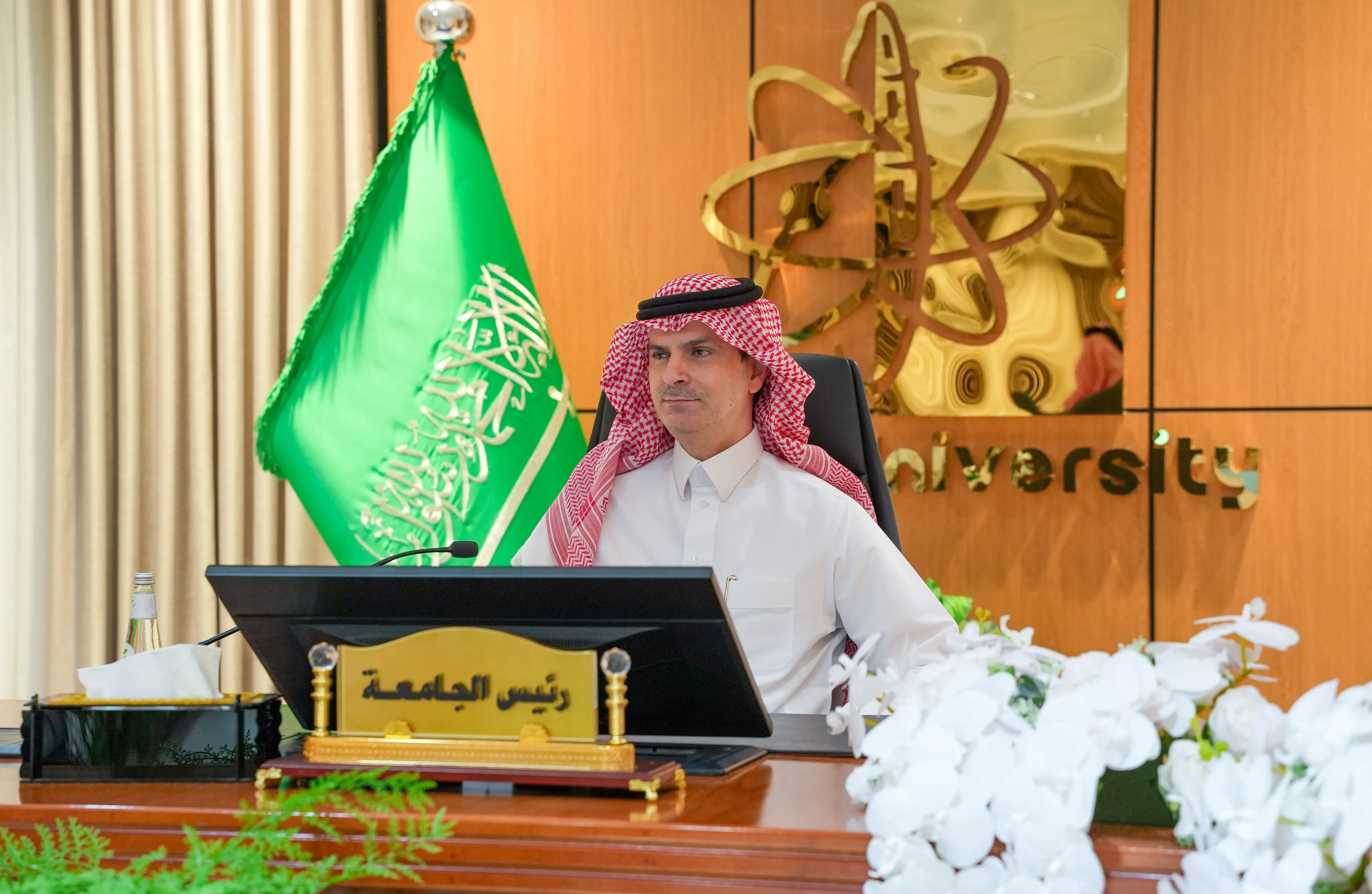

He stressed that sustainable institutional development begins with listening to the academic community, understanding its needs and challenges, and transforming high-quality ideas and proposals into measurable and implementable initiatives and projects. He also reaffirmed the University’s commitment to fostering a culture of participation and transparency and expanding faculty involvement in decisions related to education, research, and the professional environment.
During the meeting, the Council discussed several areas related to improving the educational process, developing teaching, learning, and assessment methods, and strengthening the alignment of academic programs and learning outcomes with labor market needs and development priorities. The discussions also addressed ways to support faculty members in fulfilling their educational, research, and community responsibilities efficiently and effectively.
The meeting further explored opportunities to create a more supportive and stimulating academic and professional environment, improve the services and procedures provided to faculty members, and strengthen integration among colleges, deanships, and administrative units. These efforts are intended to enhance performance efficiency, streamline procedures, provide the resources required for creativity and excellence, and leverage academic expertise in implementing the University’s developmental initiatives and projects.
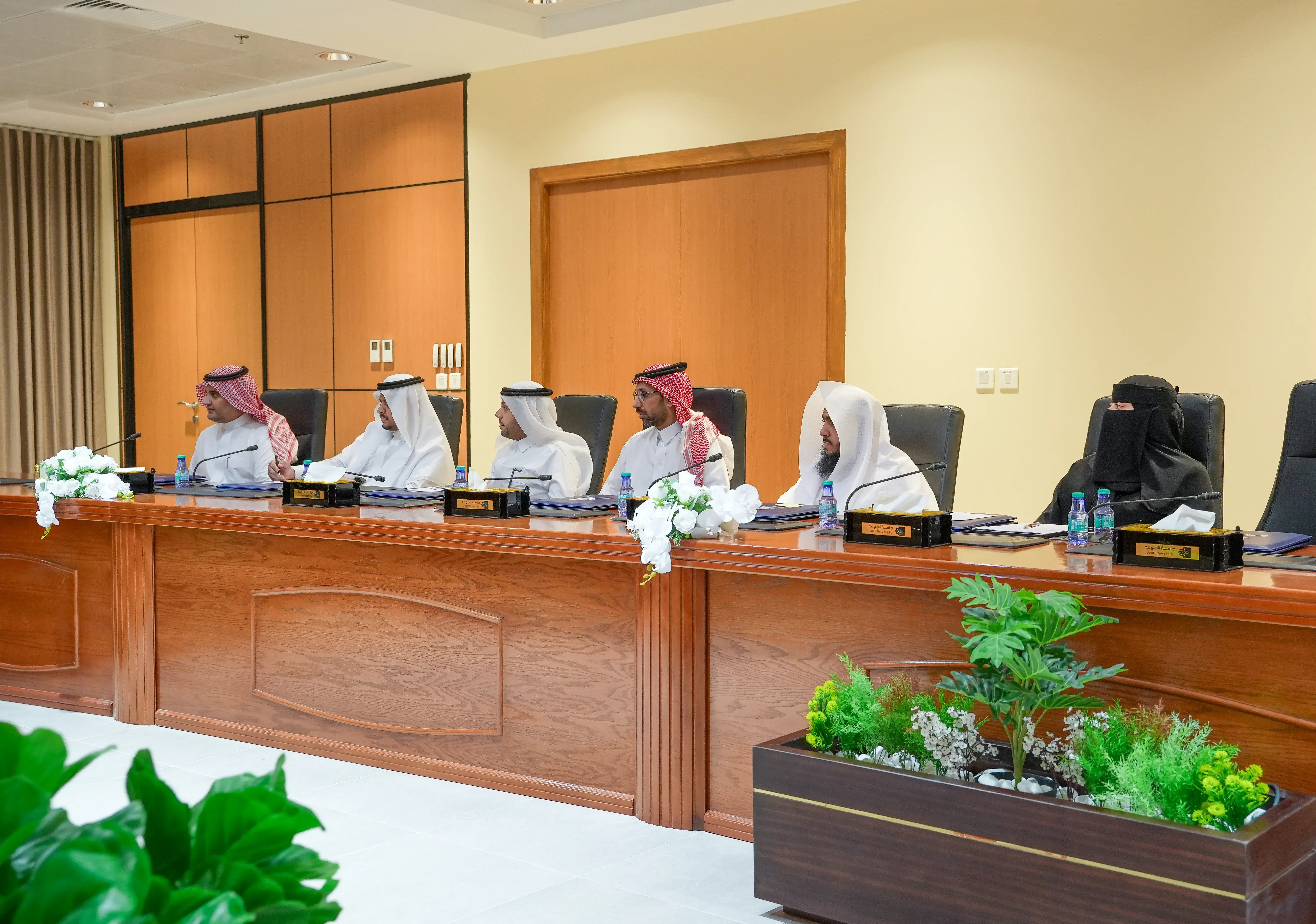
The Council also reviewed proposals related to strengthening scientific research and innovation, promoting high-quality research aligned with national priorities and capable of generating developmental impact, expanding interdisciplinary research collaboration, and building broader scientific partnerships with universities, research centers, and various sectors. Discussions also addressed enhancing incentives and support programs for researchers to improve the quality of research outputs and strengthen the University’s visibility and competitiveness.
Council members additionally discussed ways to enhance the faculty experience from the beginning of their employment at the University by developing orientation, training, and professional development programs, promoting the exchange of expertise and distinguished academic practices, and providing greater opportunities to participate in committees, councils, and initiatives. These measures are designed to strengthen institutional belonging and foster a culture of teamwork and shared responsibility.
The University President underscored the importance of ensuring that the Council’s recommendations are clear, realistic, and based on an accurate assessment of needs and an objective analysis of challenges. He also called for priorities and appropriate mechanisms for implementation, follow-up, and impact measurement to be clearly defined, ensuring that the Council’s work produces tangible improvements in the quality of the academic environment and the efficiency of institutional performance.
Prof. Al-Shaya noted that the next stage requires greater integration, teamwork, and optimal utilization of the University’s academic talent. He emphasized the need to direct efforts toward delivering a higher-quality and more flexible educational experience, improving graduate readiness, advancing research and innovation, and creating an attractive university environment that inspires excellence and creativity.
He commended the Council members for their constructive ideas and perspectives, affirming the University’s support for every proposal that contributes to advancing academic work, improving the experience of faculty members and students, and enhancing institutional efficiency. He also called for continued engagement with faculty members across the University’s colleges, careful consideration of their aspirations, and their active involvement in developing solutions and initiatives.
For their part, the Council members expressed their appreciation for the University President’s support and his commitment to listening to and discussing their views and proposals. They affirmed their commitment to conveying the aspirations of their colleagues and presenting meaningful perspectives and recommendations that serve faculty members, support the University’s mission, and advance its pursuit of academic, research, and institutional excellence.
The meeting concluded by emphasizing the Council’s continued advisory role, its follow-up on the issues and proposals presented, and the development of communication and participation mechanisms. The Council will continue submitting recommendations that contribute to building a more efficient and distinguished academic environment, support Jouf University’s aspirations, and strengthen its contribution to achieving the objectives of Saudi Vision 2030.