From Achievements to Shaping the Future: Jouf University Seeks Its Leaders’ Input to Define Its Next Strategic Direction
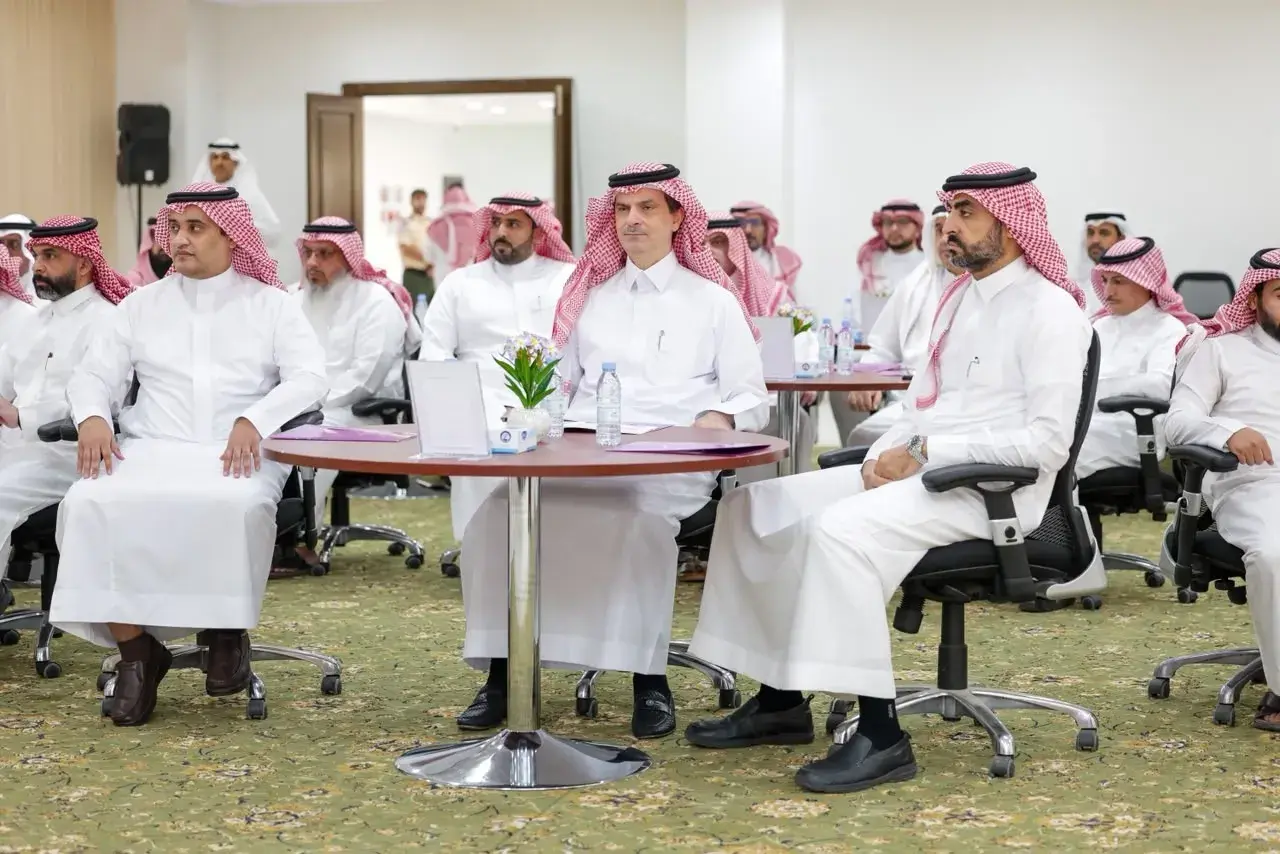
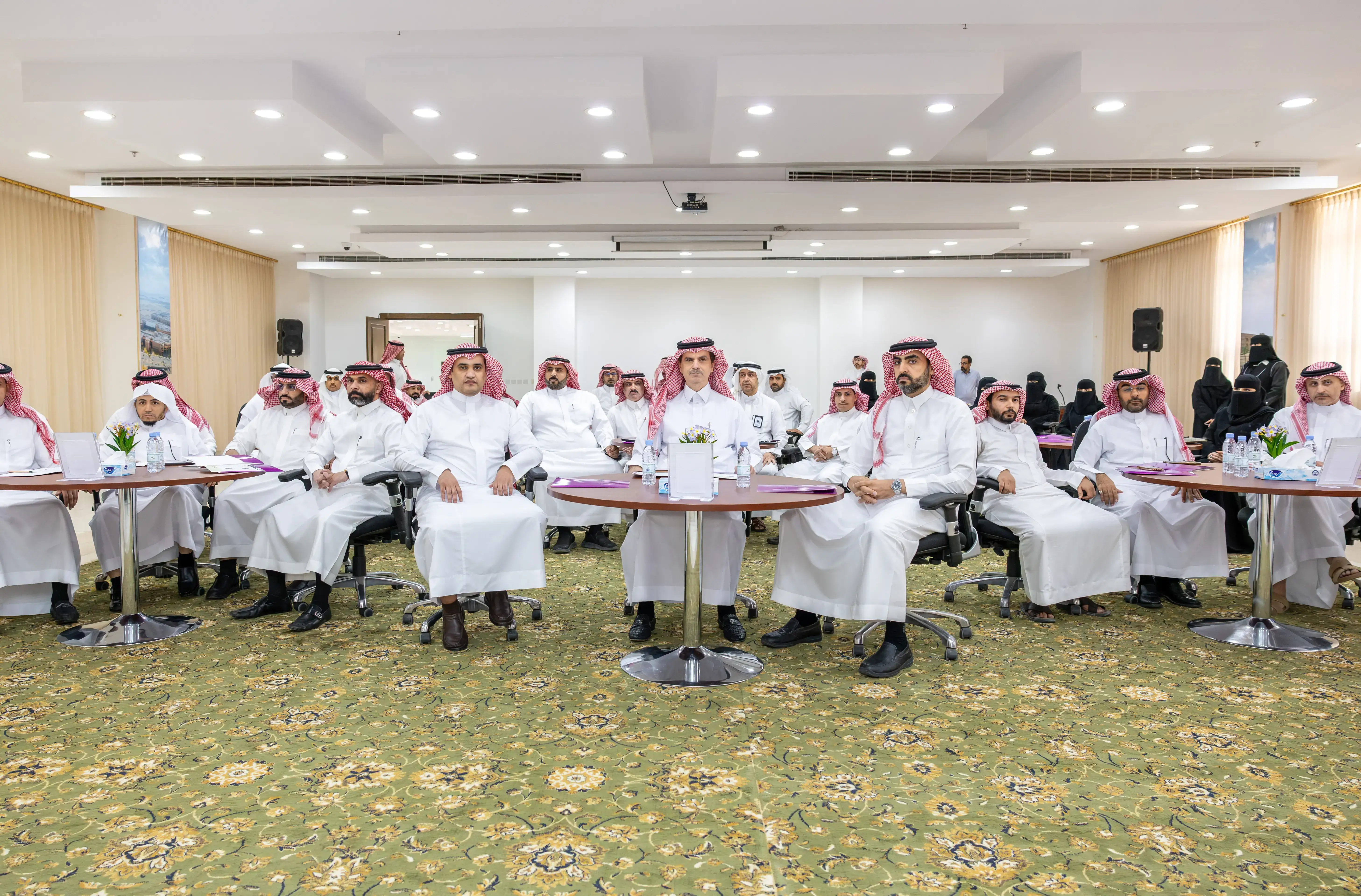
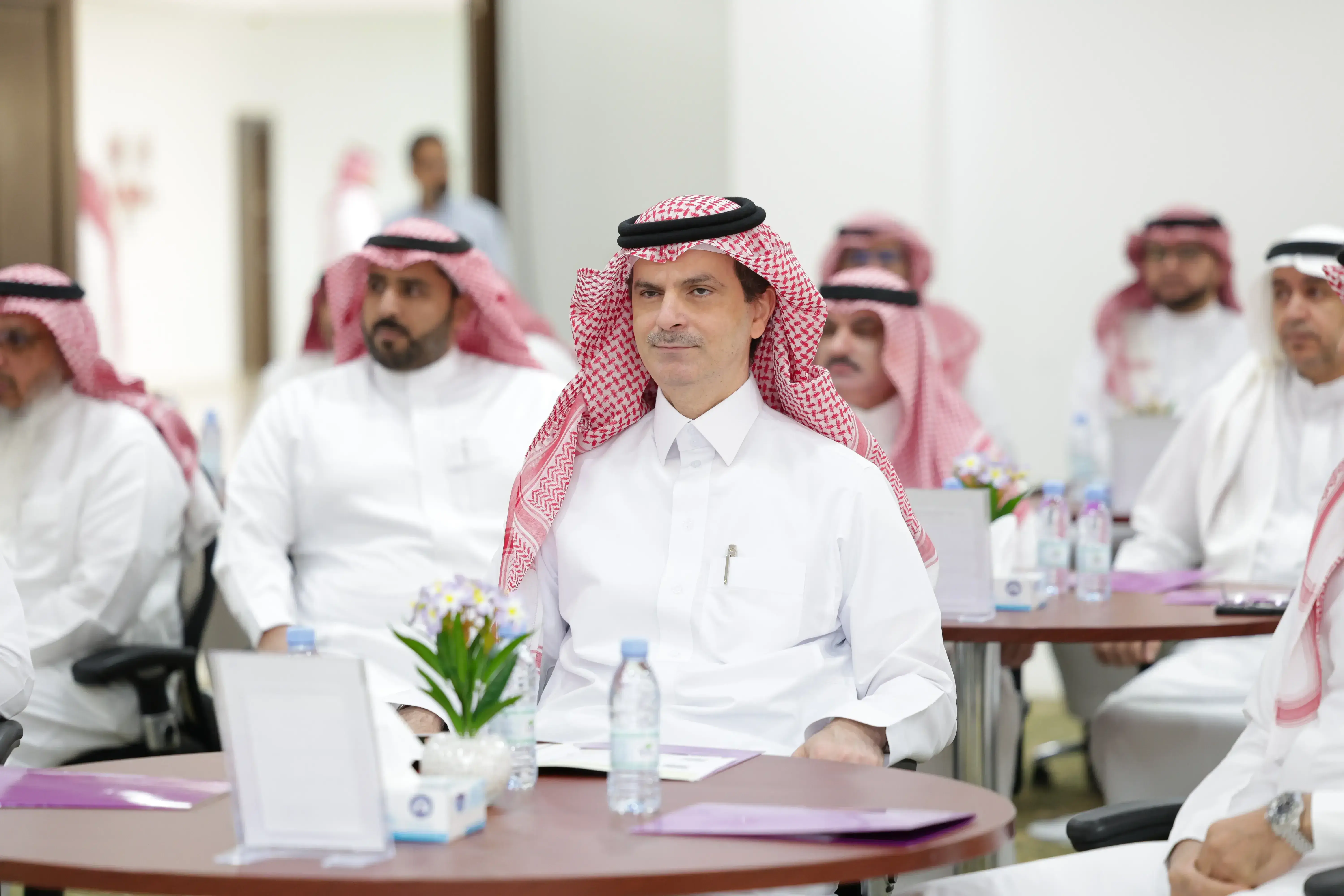
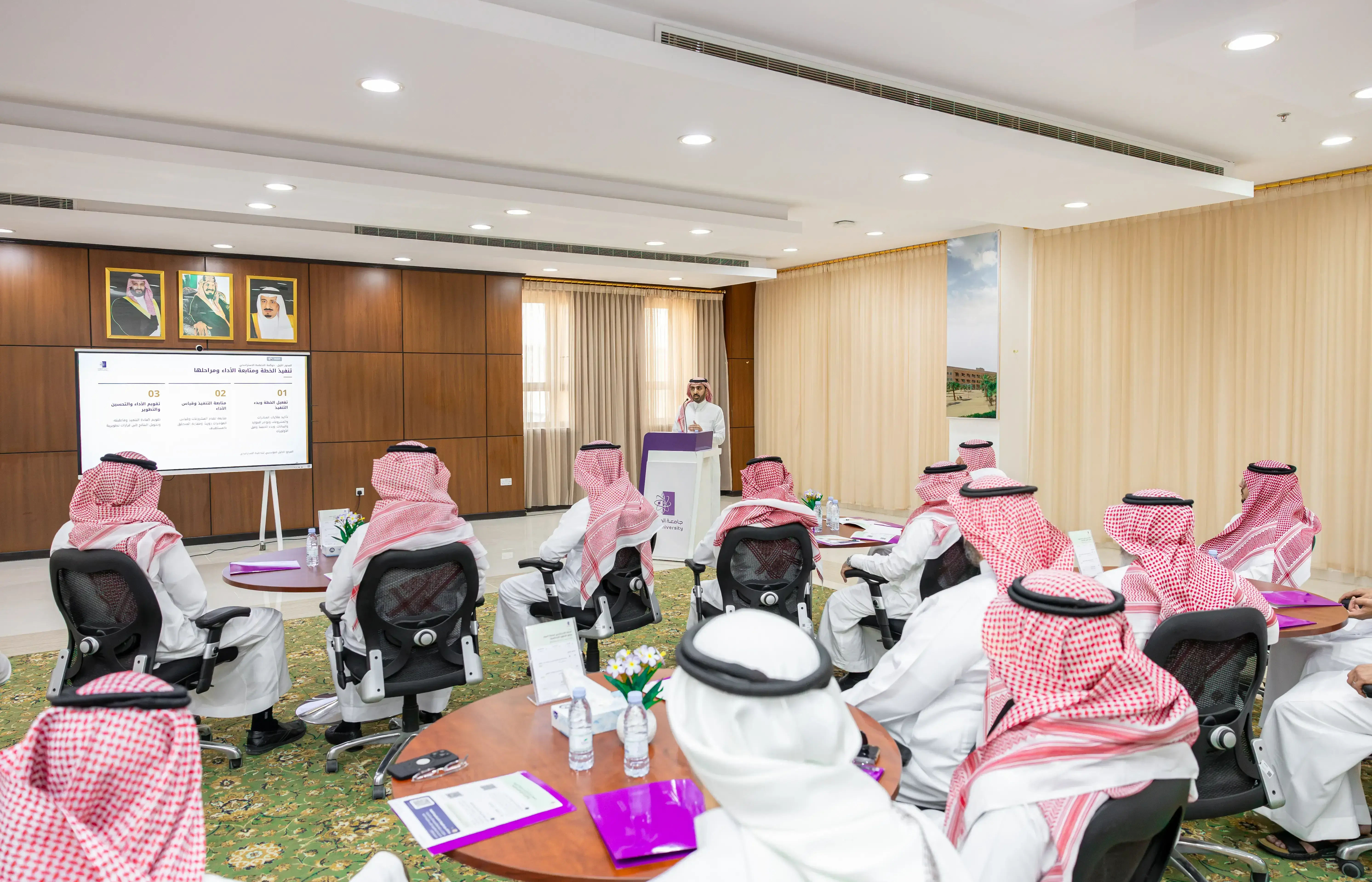
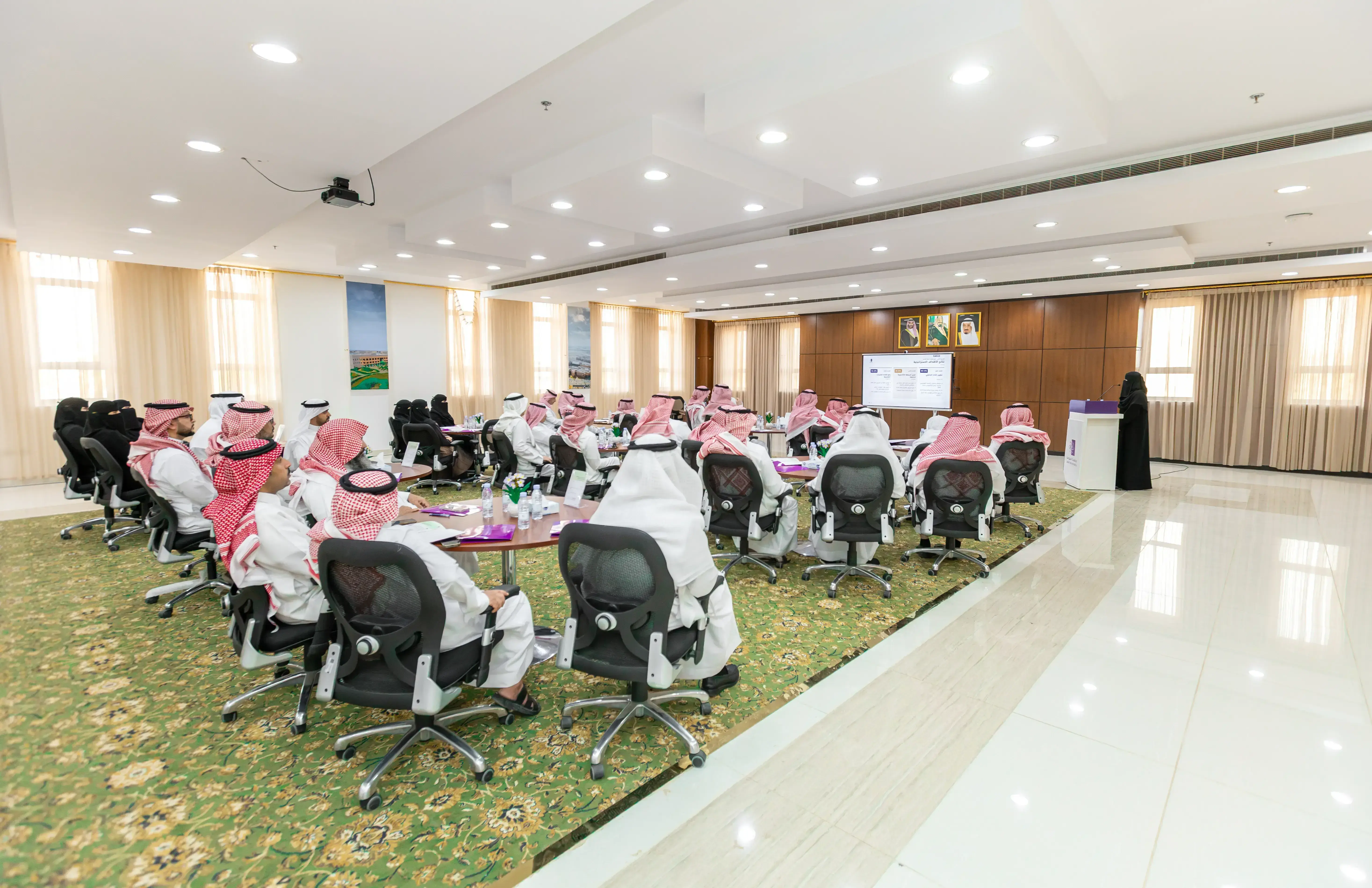
In a step that reflects Jouf University's commitment to strengthening participatory strategic planning and building on its institutional achievements to shape a future characterized by greater excellence, competitiveness, and sustainability, the University, represented by the Deanship of Development and Quality, organized a workshop entitled “Jouf University’s Strategic Achievements and Future Development Prospects.” The workshop was held in the presence of the University President, Prof. Mohammed bin Abdullah Al-Shaya, with the participation of university leaders. It aimed to gather their perspectives and enrich the University's strategic direction for the next phase, fostering institutional integration and reinforcing its role in advancing national priorities and the objectives of Saudi Vision 2030.
The workshop forms part of the University's preparations to develop its next strategic plan, adopting an institutional approach grounded in evaluating achievements, measuring impact, leveraging accumulated expertise and experience, and anticipating future opportunities and challenges. This approach seeks to facilitate the transition from reviewing past accomplishments to establishing ambitious strategic priorities that enhance the quality of educational and research outcomes, improve institutional efficiency, and expand the University's contribution to national and regional development.
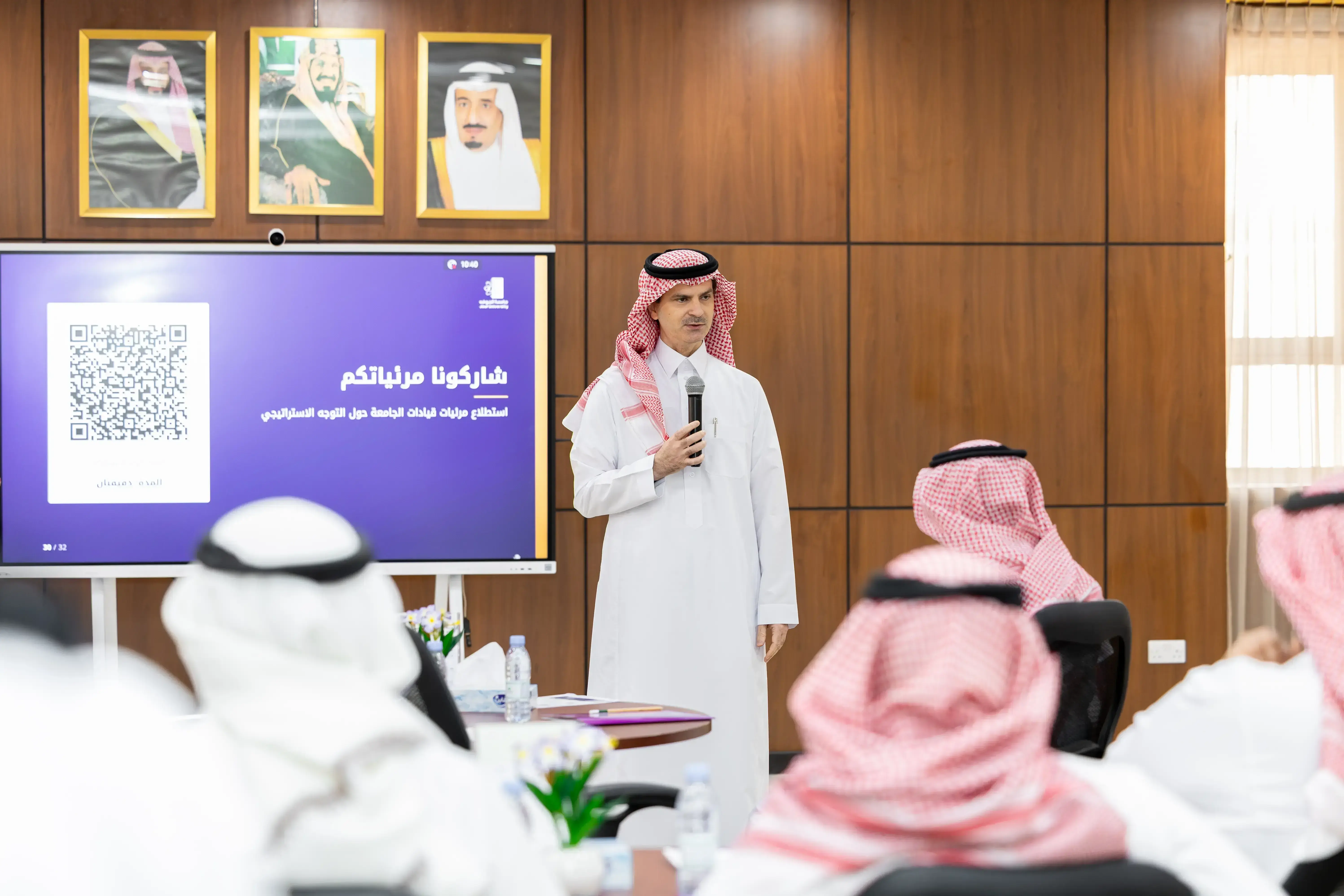
During his remarks at the workshop, University President Prof. Mohammed bin Abdullah Al-Shaya emphasized the importance of building on the significant achievements realized under the University's Second Strategic Plan and leveraging these accomplishments to formulate an ambitious strategic direction for the next phase, one centered on future readiness, strengthening competitive advantages, and achieving sustainable impact.
He noted that developing the University's next strategic plan presents an opportunity to strengthen integration across its various sectors and align institutional efforts around clear priorities and measurable objectives. He further highlighted the importance of involving university leaders in shaping future strategic directions and utilizing institutional expertise to advance education, research, and innovation in line with the aspirations of the Kingdom's wise leadership and the objectives of Saudi Vision 2030.
The workshop presented the preliminary framework of the University's future strategic direction and provided an opportunity for university leaders to discuss development pathways and contribute perspectives and proposals toward establishing realistic yet ambitious strategic priorities. These priorities are intended to build on the University's competitive strengths and capabilities while responding to rapid transformations in higher education, labor market demands, and sustainable development requirements.
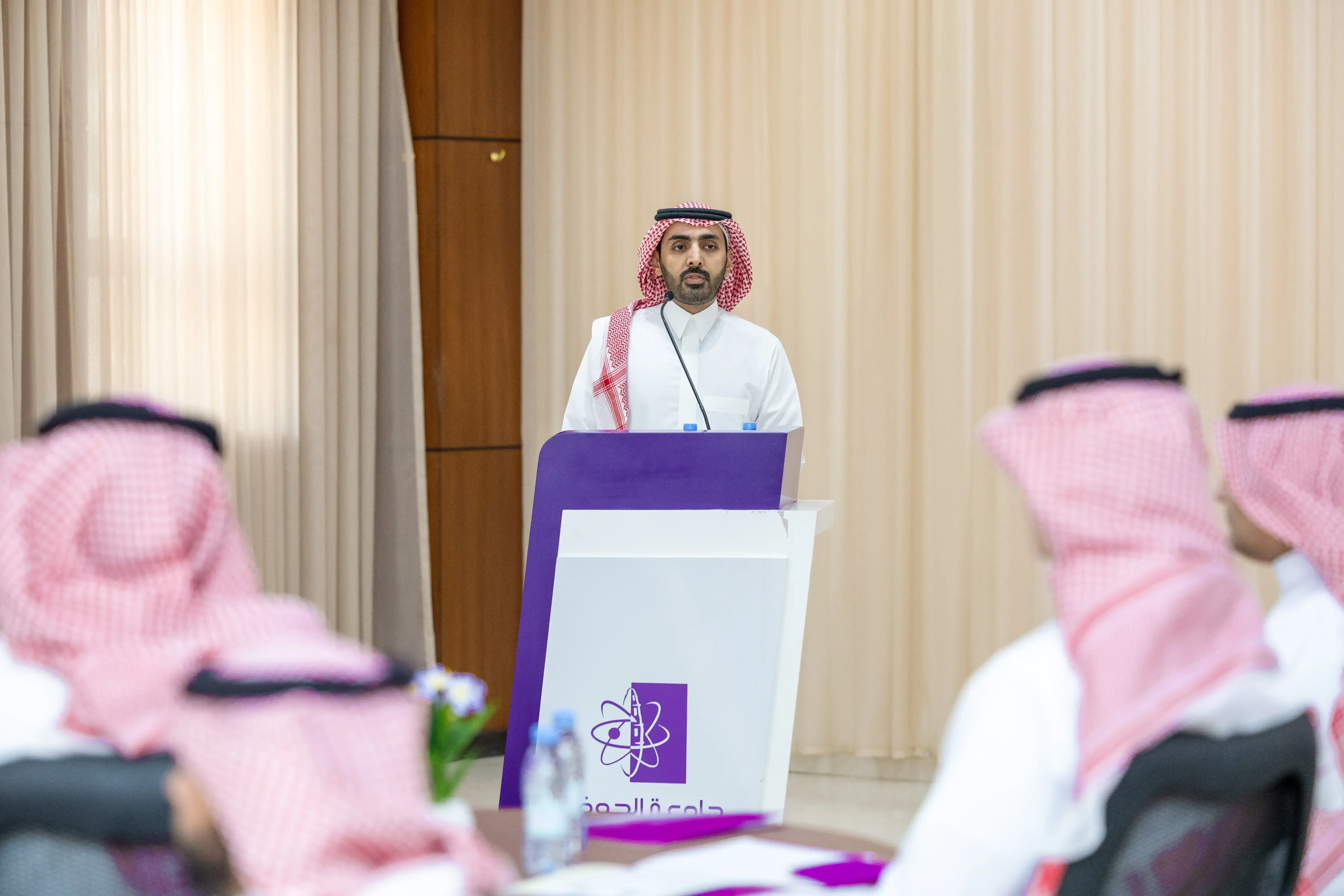
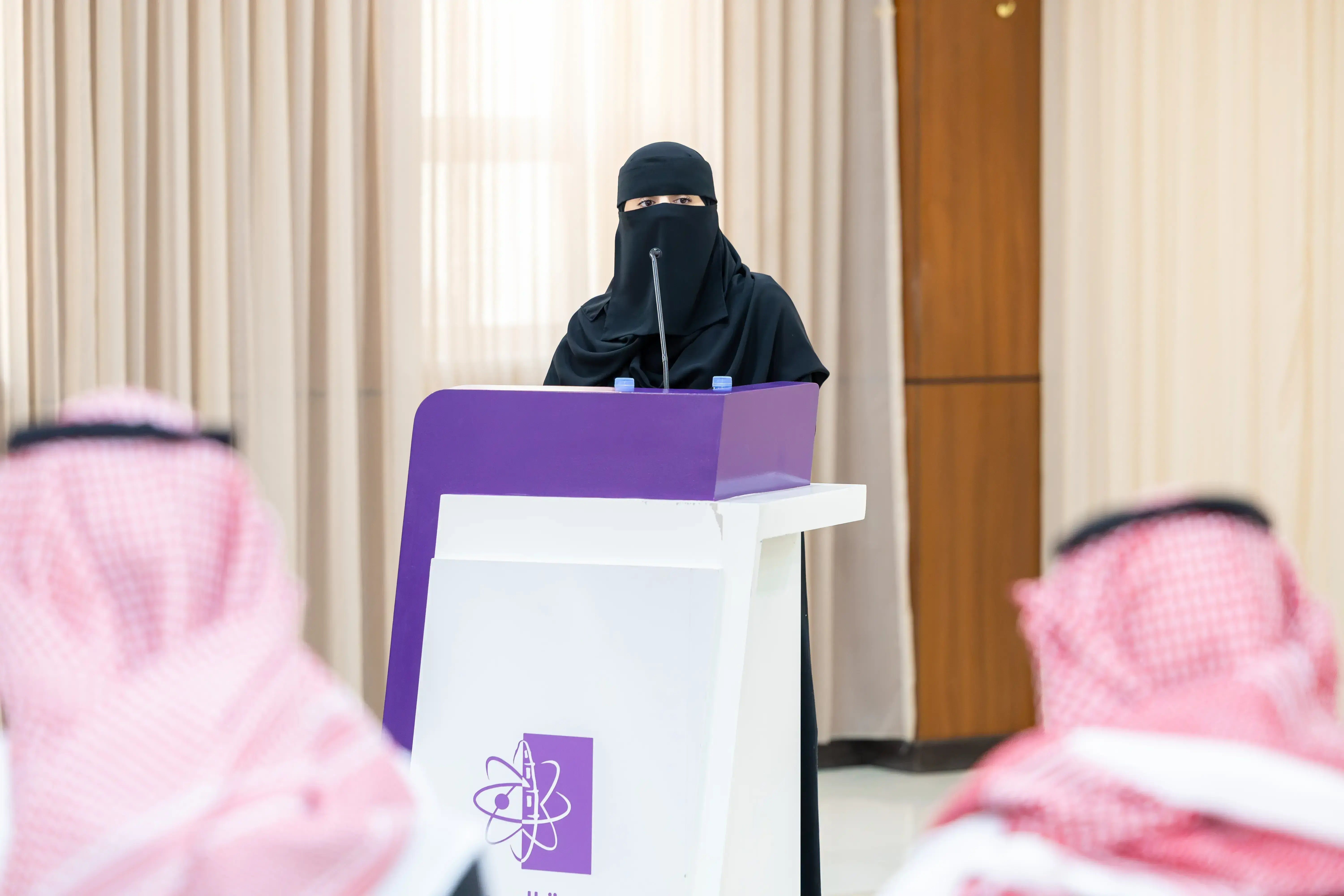
As part of the discussions on strategic planning governance, Dr. Amjad Al-Matrud, Dean of the Deanship of Development and Quality, presented the Institutional Strategic Planning Guide. He outlined its unified methodological framework for developing, implementing, monitoring, evaluating, and formally closing strategic plans, alongside the definition of roles and responsibilities and the procedures for review and approval. The framework aims to strengthen alignment between planning and implementation while reinforcing governance, accountability, performance measurement, and institutional impact assessment.
Dr. Azza Al-Lahham, Supervisor of the Strategic Planning Unit, also delivered a presentation reviewing the achievements of the University's Second Strategic Plan (2022–2026), its closure outcomes, key institutional impacts, and significant accomplishments. These outcomes serve as an evidence-based foundation for determining the University's future strategic direction, drawing on lessons learned to refine priorities and objectives for the next phase.
The workshop further explored future development opportunities across several strategic areas, including teaching and learning, scientific research and innovation, strategic partnerships, digital transformation, governance, and sustainability. These areas are intended to support the development of a more agile, efficient, and competitive university ecosystem while strengthening the alignment of academic outcomes with development priorities and the needs of the knowledge-based economy.
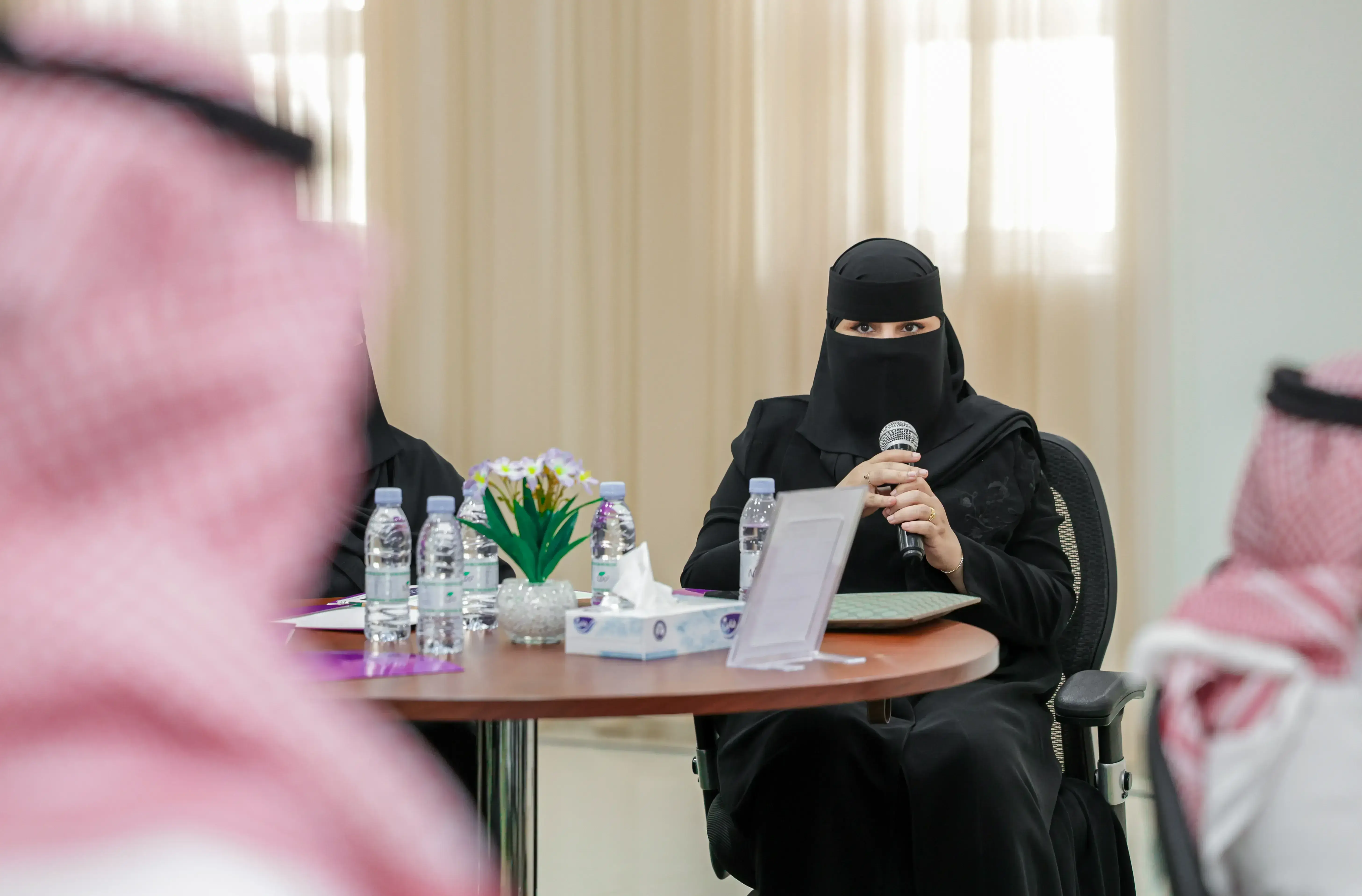
The workshop featured interactive discussions and active engagement from university leaders, who shared their views and recommendations on the preliminary strategic direction and explored opportunities and priorities that could form the foundation of the next strategic plan. These discussions underscored the importance of leadership participation in shaping institutional strategy and enhancing alignment among the goals and initiatives of the University's various sectors.
The workshop embodies Jouf University's commitment to transitioning from target-oriented planning to impact-driven and sustainable strategic planning, and from documenting achievements to leveraging them to shape the future. This approach lays the foundation for a new strategic phase that maximizes the University's educational, research, and societal value, strengthens its presence and competitiveness locally and internationally, and advances its contribution to fulfilling the aspirations of the Kingdom's wise leadership and the objectives of Saudi Vision 2030.