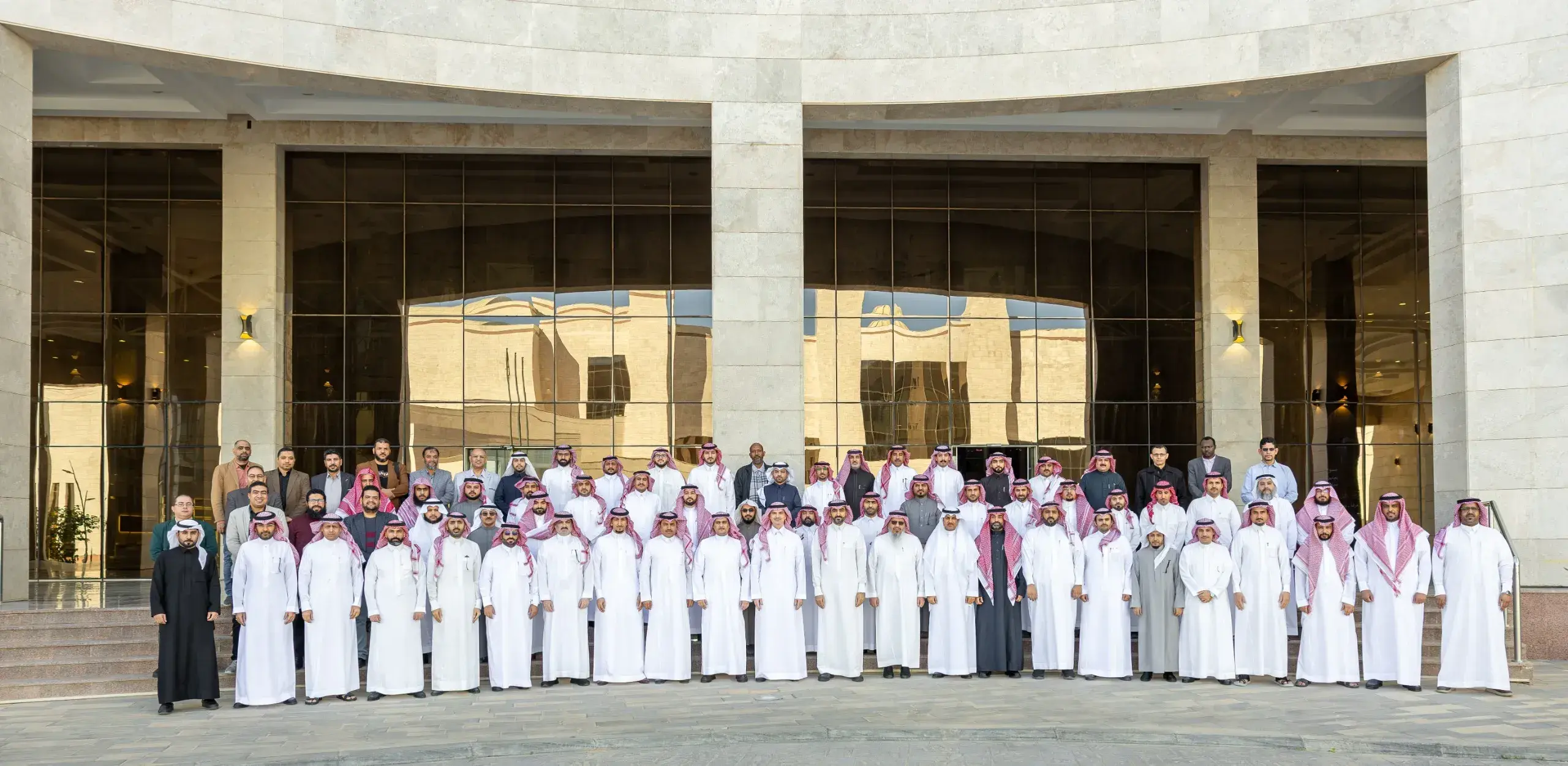
Jouf University President Prof. Mohammed bin Abdullah Al-Shaya Meets with Faculty Members in an Open Forum to Strengthen Their Role in Developing the Academic and Research Environment and Shaping the University’s Strategic Plan
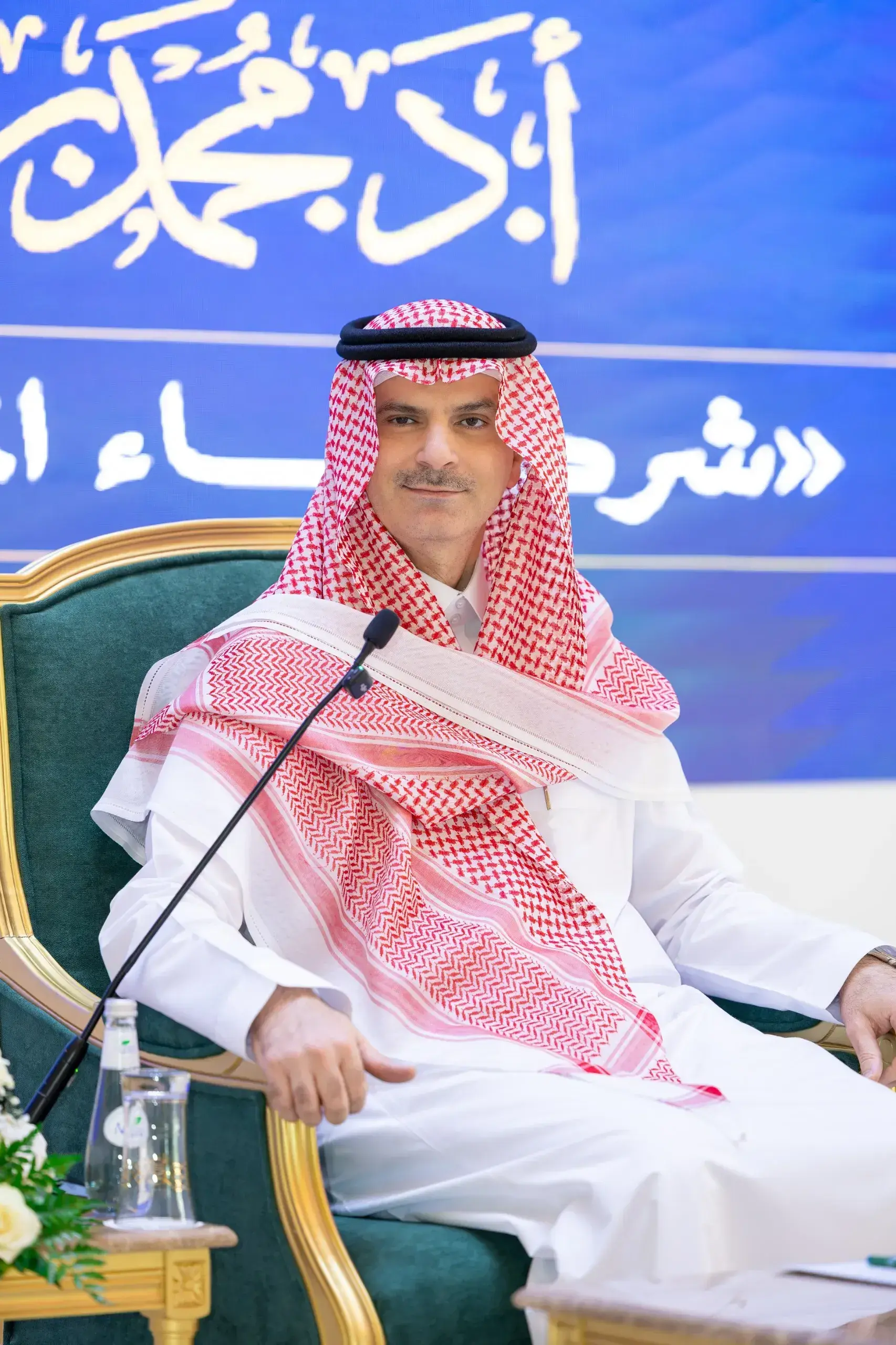
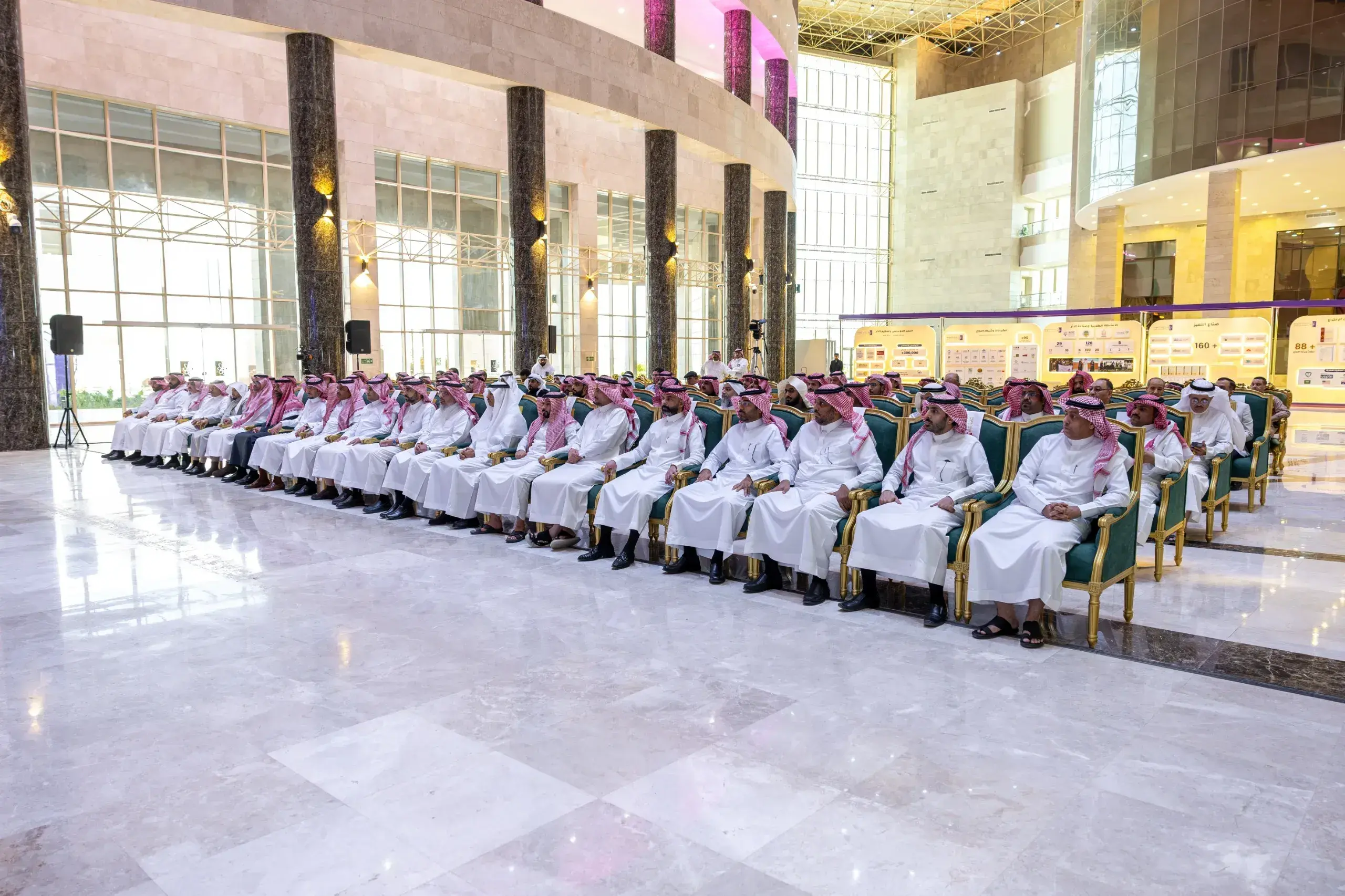
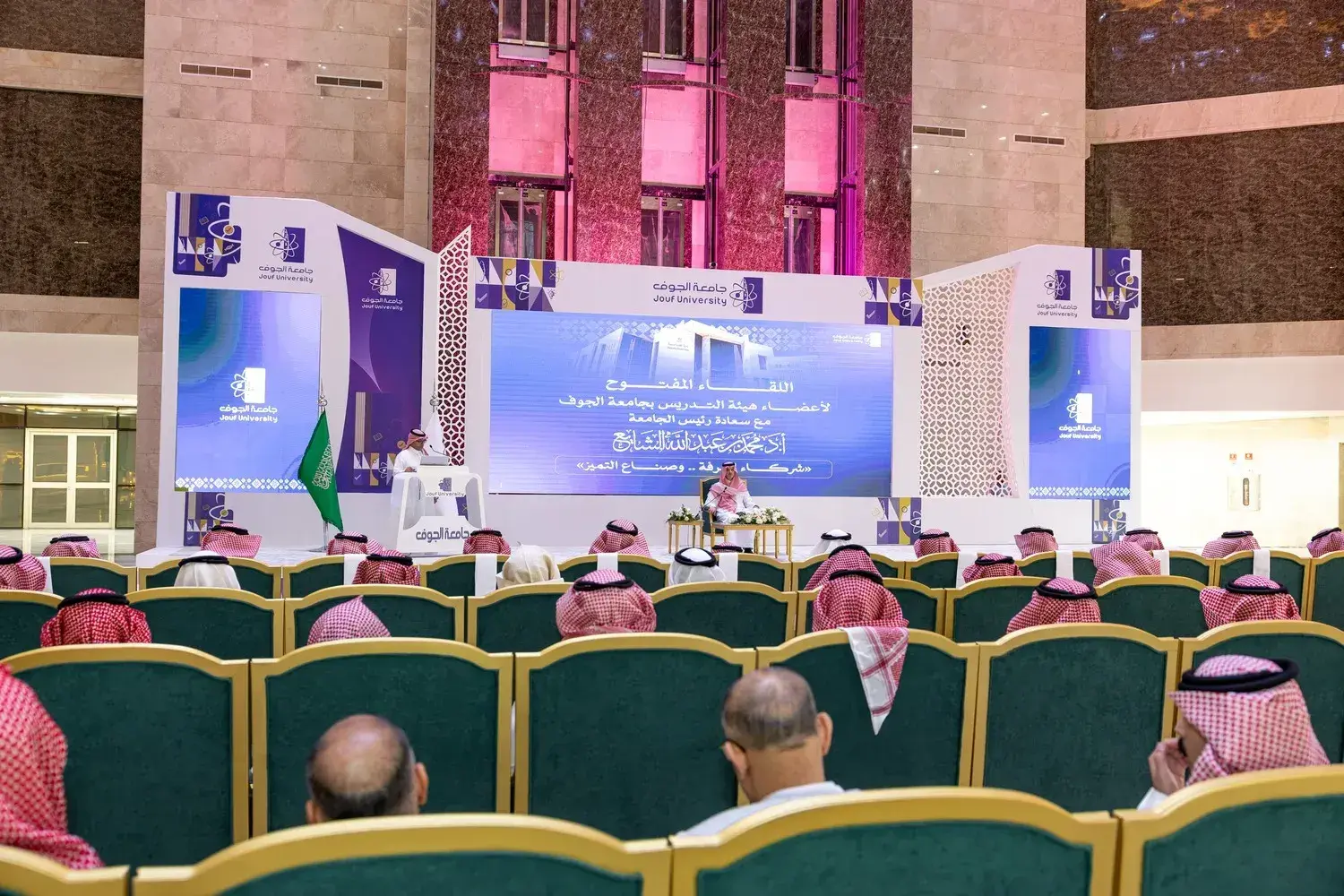
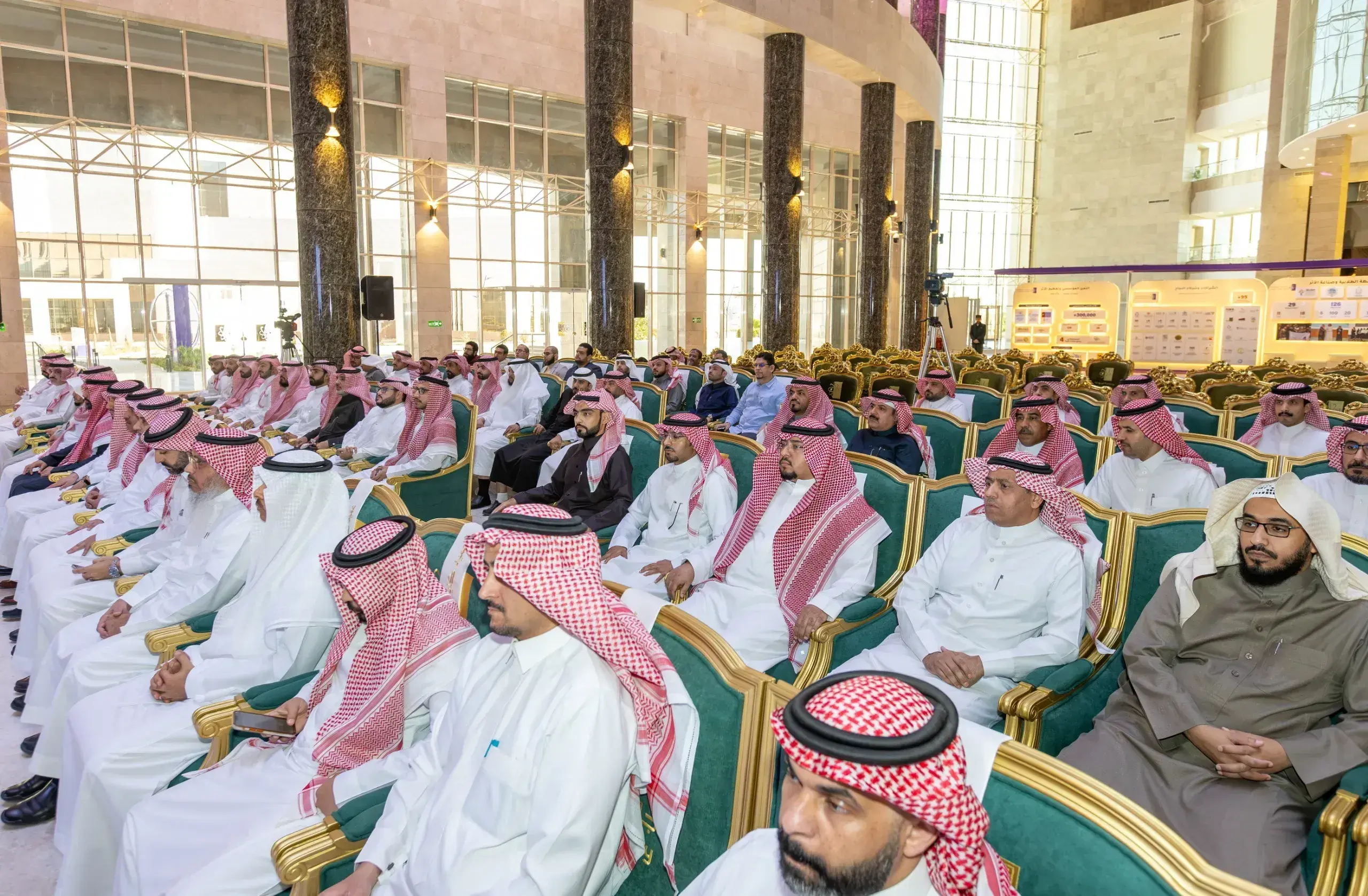
As part of its commitment to strengthening direct communication with its members and fostering a culture of dialogue and participatory decision-making, Jouf University President, Prof. Mohammed bin Abdullah Al-Shaya, met with faculty members during an open forum held under the theme “Partners in Knowledge… Pioneers of Excellence.”
The forum aimed to provide an opportunity for faculty members to share their views, aspirations, and suggestions, review the services and initiatives available to them, and strengthen their active participation in shaping the University’s Third Strategic Plan. These efforts seek to advance the University’s academic and research systems, improve the quality of its outcomes, and enhance its competitiveness at both national and international levels.
The forum reflects the University’s continued commitment to empowering academic talent and strengthening collaboration between its leadership and faculty members. It is grounded in the belief that institutional excellence begins with people and that building a leading university in education, research, and innovation requires investing in the capabilities of its academic community, listening to their perspectives, and engaging them in setting priorities and shaping the future.
In his proposed remarks for the occasion, Jouf University President Prof. Mohammed bin Abdullah Al-Shaya emphasized that faculty members constitute the cornerstone of academic and research excellence and the primary driving force behind the University’s development and innovation. He noted that Jouf University’s scientific and research achievements, progress in academic rankings, and growing presence in national and international forums are the result of collective efforts to which faculty members have contributed through their knowledge, research, initiatives, and sustained dedication.
The President stated:
“We regard faculty members not only as partners in the educational and research process, but also as active contributors to decision-making, priority-setting, and future planning. They represent the intellectual and scientific capital upon which the University relies to realize its ambitions. Our aspirations for the next phase extend beyond preserving the achievements already made. We seek to establish a more distinguished, competitive, and impactful academic and research ecosystem in which faculty members play a pivotal role in leading development and creating meaningful impact.”
He added:
“The preparation of Jouf University’s Third Strategic Plan represents an important opportunity to advance toward broader horizons of institutional, academic, and research excellence. We are therefore committed to ensuring that this plan is built upon ambitious yet realistic perspectives, with faculty members actively contributing to its development. They possess firsthand knowledge of the educational and research environment and are best positioned to identify opportunities for its advancement. We reaffirm that the University’s doors remain open to every innovative idea, distinguished initiative, and constructive proposal that contributes to improving performance, strengthening the academic environment, and enhancing the educational and research experience.”
The President further stressed the importance of providing an academic environment that encourages creativity and scientific productivity, addressing challenges facing faculty members, expanding opportunities for research support and professional development, and promoting interdisciplinary collaboration.
He also highlighted the importance of transforming knowledge and innovation into tangible developmental, economic, and societal impact, in alignment with the aspirations of the Kingdom’s wise leadership and the objectives of Saudi Vision 2030, while strengthening the University’s contribution to the development of the Al-Jouf Region and the nation.
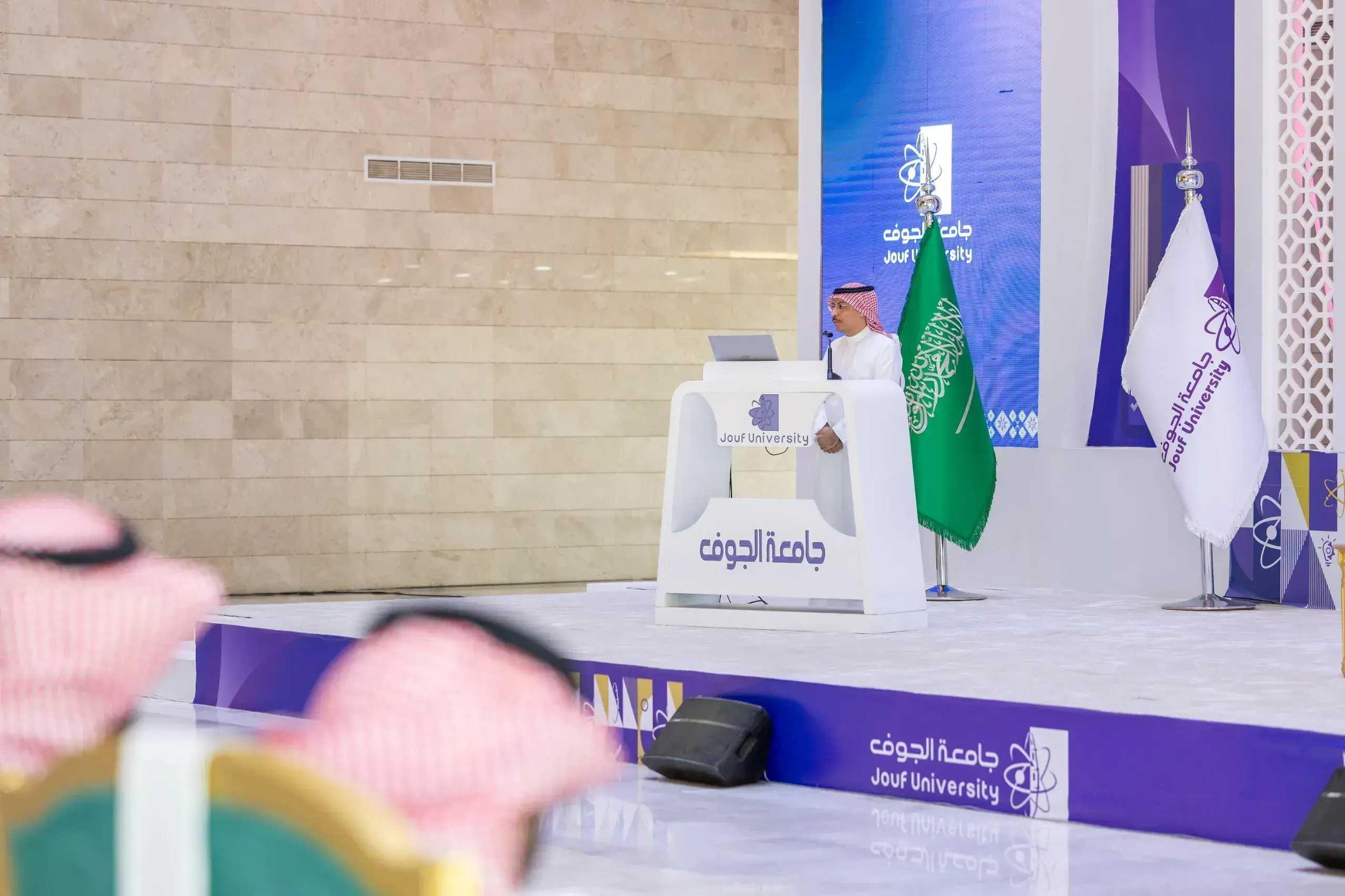
As part of the forum, the University Vice Presidency for Graduate Studies and Scientific Research delivered a comprehensive presentation highlighting the services and resources available to faculty members.
The presentation outlined an integrated system of academic, research, professional, and administrative services organized into nine major areas: research funding and partnerships; research quality and publication; innovation and research consultancy; laboratories, research centers, and scientific events; recognition and incentives; professional development and teaching; knowledge resources and digital tools; academic career development; and quality of life and engagement.
The presentation highlighted the University’s efforts to empower scientific research by providing researchers with funding opportunities and institutional support. Over the past three years, the University has supported more than 1,600 individual research projects, in addition to flexible research projects, with total research project funding exceeding SAR 40 million.
The University has also established more than 20 research partnerships and provides programs supporting high-quality scientific publications, international research collaboration, specialized research projects, and participation in national and international scientific conferences.
The presentation further addressed the University’s efforts to promote innovation and research entrepreneurship through services that include evaluating innovative ideas, registering patents, developing prototypes, supporting business incubators and accelerators, and facilitating participation in international exhibitions and competitions.
These initiatives are complemented by financial incentives of up to SAR 85,000 per patent, subject to approved regulations, helping transform scientific outputs into innovations and practical applications with economic and developmental value.
Regarding research infrastructure, the University highlighted its facilities, including more than 24 specialized laboratories, a central laboratory equipped with advanced research instruments, as well as research centers, research chairs, and scientific cooperation agreements.
These resources provide researchers with an integrated scientific environment that supports high-quality research and expands opportunities for collaboration with academic institutions and industrial partners.
The presentation also reviewed services related to professional development and academic empowerment, including training programs in educational, research, technical, and leadership fields; support for e-learning systems; academic promotion services; research sabbaticals; and scholarship opportunities.
In addition, faculty members have opportunities to teach, supervise, and serve on thesis examination committees across more than 30 master's and doctoral programs.
The forum also highlighted the University's knowledge and digital resources, including its central library, which houses more than 230,000 books and reference materials, the Saudi Digital Library, research databases, licensed software, and electronic self-service platforms.
Other services presented included healthcare facilities, sports amenities, university housing, employee benefits, and communication and engagement channels designed to enhance the quality of university life and promote job satisfaction.
The forum provided an open platform for direct dialogue and the exchange of perspectives, during which the University President listened to faculty members' views, aspirations, and suggestions regarding the development of the academic and research environment, the efficiency of institutional services and support systems, the expansion of research and innovation opportunities, and ways to enhance the overall university experience.
The discussions underscored the importance of involving the academic community in identifying strategic priorities for the next phase of the University's development.
The forum also emphasized the need to translate innovative ideas and constructive proposals into actionable and measurable development initiatives, strengthen institutional communication channels, and engage academic talent in designing future programs and projects.
Such efforts aim to reinforce a culture of collaboration and shared responsibility for achieving the University's objectives.
This forum aligns with Jouf University's strategic direction toward establishing an institutional model built on active listening, participation, empowerment, and meaningful impact, placing faculty members at the heart of institutional development and transformation.
As key partners in advancing knowledge, driving innovation, preparing national talent, and strengthening the University's academic and research competitiveness, faculty members play a fundamental role in realizing its future aspirations.
Through these open forums, Jouf University reaffirms that its Third Strategic Plan will be more than a framework of objectives and initiatives. Rather, it will represent a collaborative roadmap for shaping the University's future, drawing upon the expertise of its academic community and transforming their ambitions and ideas into opportunities for excellence and sustainable achievements.
Ultimately, these efforts seek to position Jouf University as an increasingly pioneering, influential, and competitive academic institution, capable of making a greater contribution to national development and shaping the future.