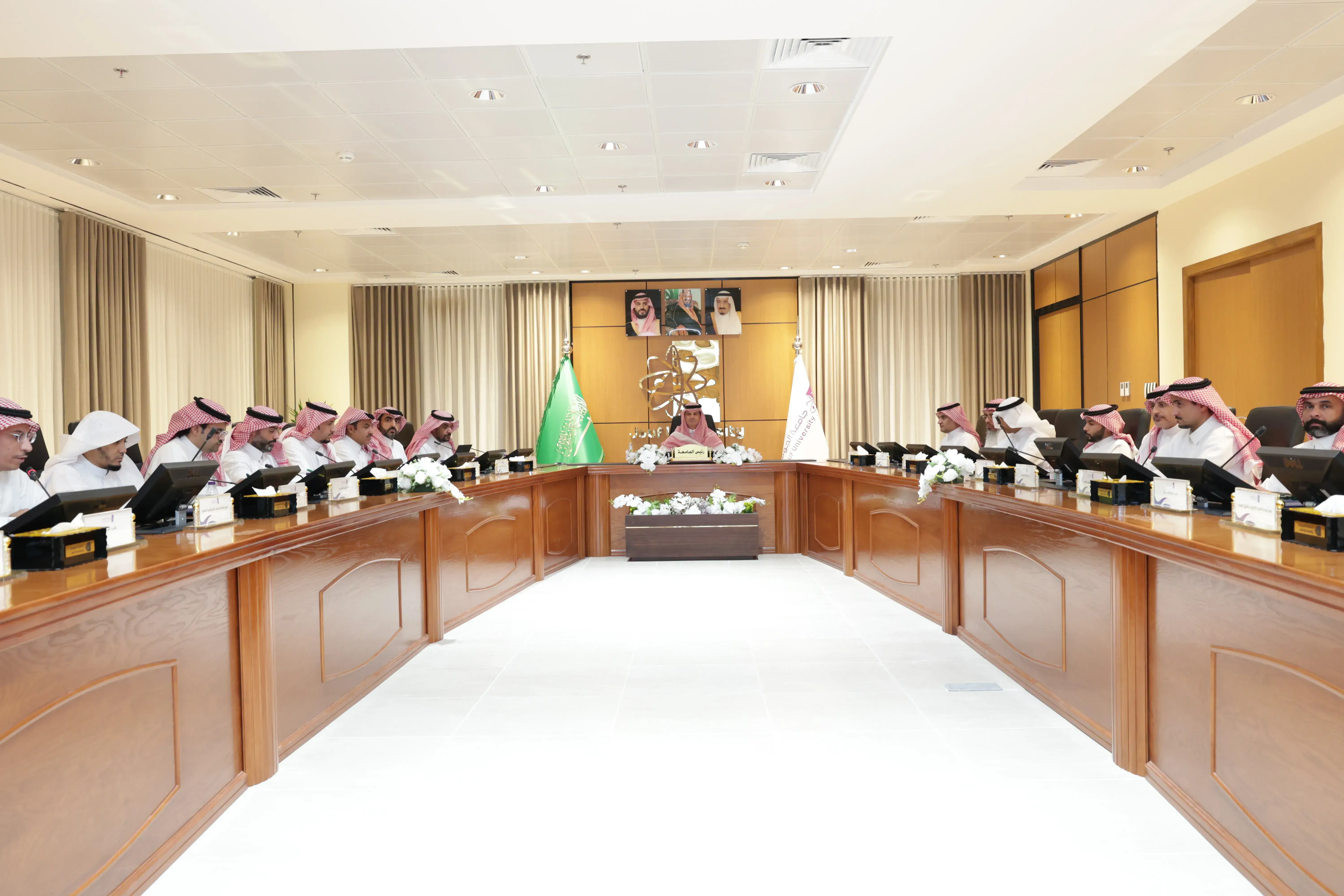
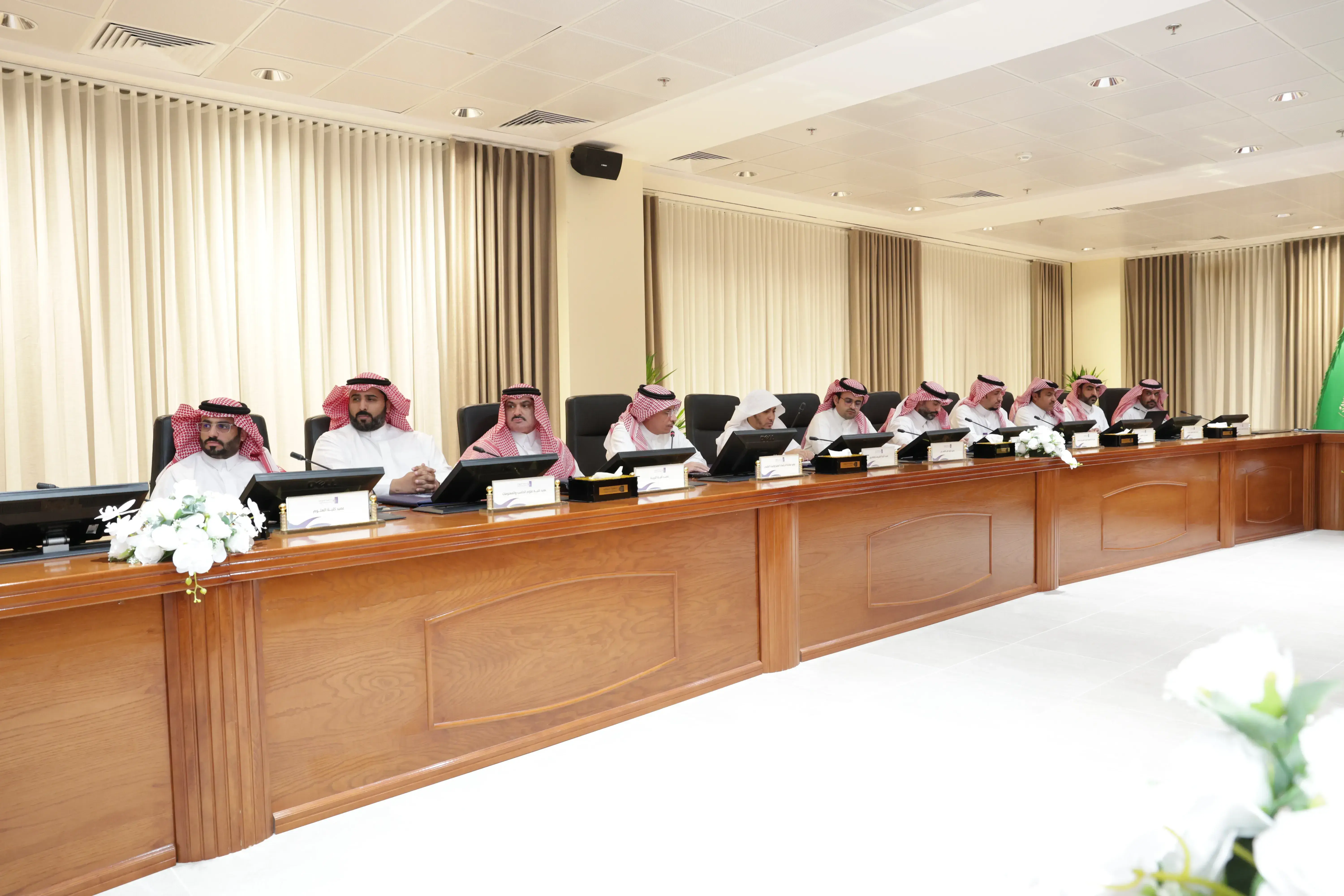
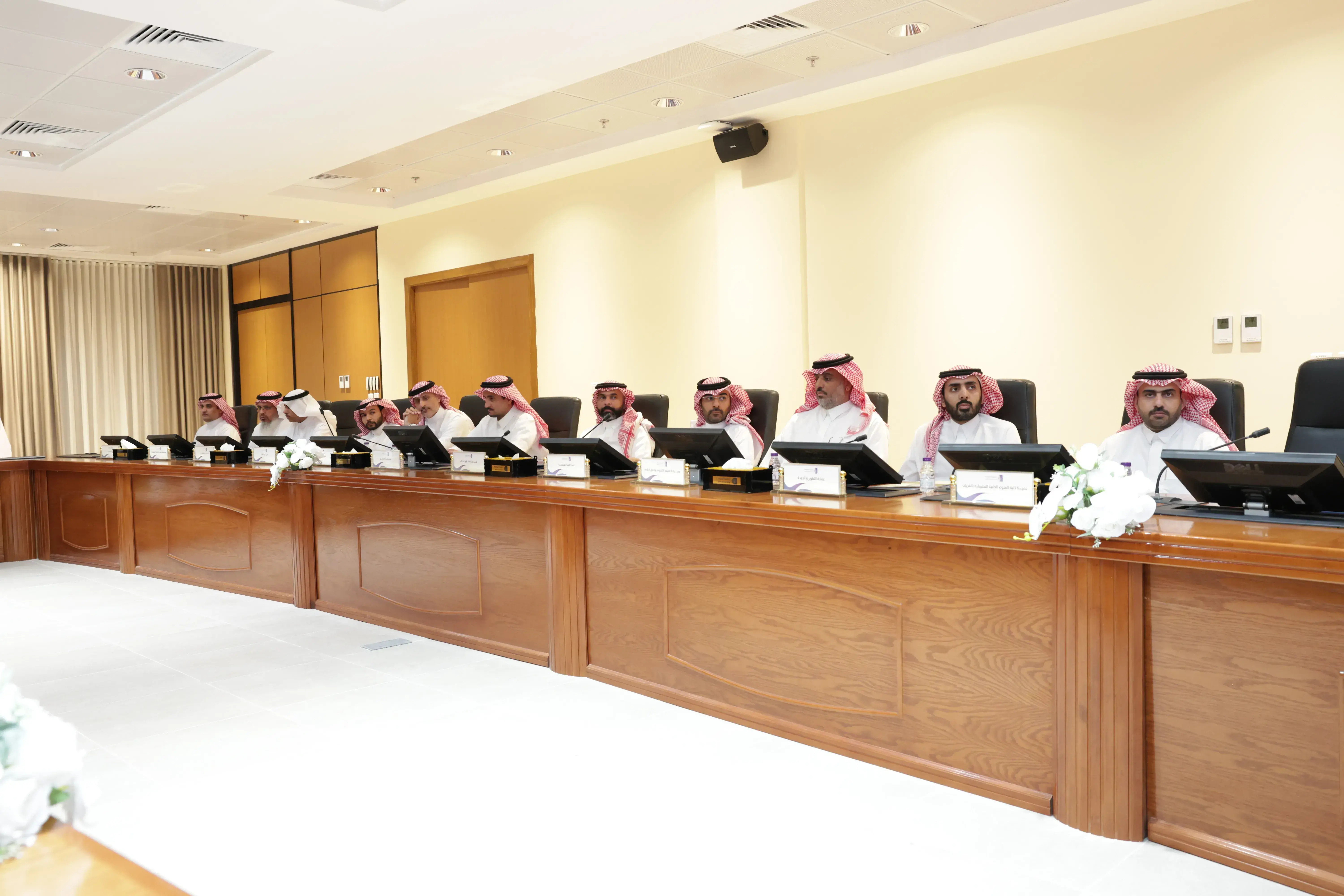
Chaired by University President Prof. Mohammed bin Abdullah Al-Shaya, Jouf University Council Holds Its Second Meeting, Approves the Closeout Results of the Second Strategic Plan (2022–2026), and Renews the Executive Council of the Applied College
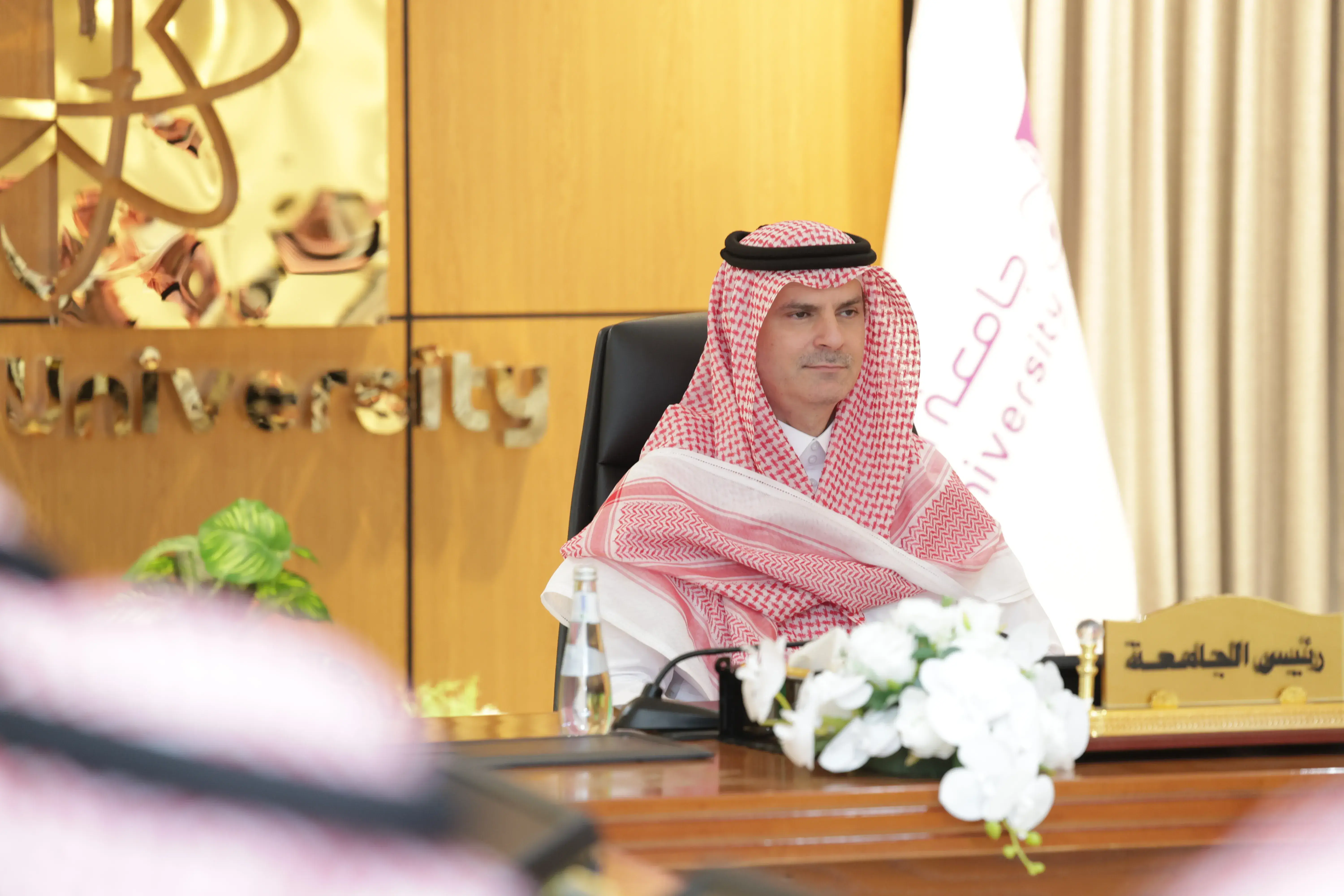
In a significant institutional milestone marking the transition from achievement and impact assessment to a new phase of development, growth, and future readiness, Jouf University Council held its second meeting for the academic year 1448 AH, chaired by University President Prof. Mohammed bin Abdullah Al-Shaya.
During the meeting, the Council approved the final report and closeout results of the University's Second Strategic Plan (2022–2026). It also approved the renewal of the Executive Council of the Applied College for the academic year 1448 AH. In addition, the Council discussed several academic, administrative, and organizational matters on its agenda and adopted the appropriate decisions and recommendations.
The approval of the final report and closeout results of the Second Strategic Plan represents a significant milestone in the University's institutional development journey. It formally concludes a five-year strategic cycle and reflects the University's commitment to results-based strategic planning, strengthened governance and institutional accountability, and systematic assessment of progress toward strategic goals and objectives. It also underscores the importance of utilizing evaluation outcomes to guide future development and continuous improvement.
University President Prof. Mohammed bin Abdullah Al-Shaya emphasized that approving the final report and closeout results of the Second Strategic Plan represents a pivotal milestone in the University's journey toward institutional excellence and sustainability.
He stated: "At Jouf University, our ambitions extend beyond achieving strategic objectives to maximizing their sustainable impact on the quality of education, scientific research and innovation, national capacity development, and community service. The conclusion of the Second Strategic Plan provides an opportunity to build upon our institutional achievements, leverage evaluation outcomes to enhance performance, and shape the priorities of the next phase. This will further strengthen the University's standing and competitiveness while reinforcing its role as an active partner in achieving the objectives of Saudi Vision 2030."
He further added: "The transition to the Third Strategic Plan reflects the University's commitment to sustainable development and continuous improvement, moving from planning to measurable impact and from achieving milestones to maximizing their developmental value. Through ambitious objectives, effective performance indicators, and integrated efforts across all University sectors, we seek to fulfill the aspirations of our wise leadership and contribute to building a university distinguished by greater excellence, influence, and impact at the regional, national, and international levels."
The approval of the closeout results comes as part of the University's ongoing strategic transformation and preparations for a new phase under its Third Strategic Plan. This transition aims to build upon institutional achievements, utilize evaluation findings and accumulated experience to shape future priorities, enhance operational efficiency, and maximize impact across education, scientific research, innovation, and community engagement, ultimately advancing quality, excellence, and competitiveness.
As part of its efforts to strengthen applied education and enhance governance efficiency, the Council also approved the renewal of the Executive Council of the Applied College for the academic year 1448 AH. This decision supports the continuity and development of the College's operations while strengthening its role in delivering high-quality educational and training programs aligned with labor market needs. It also contributes to developing professional and practical skills and preparing national talent to meet evolving economic and developmental demands.
The Council also reviewed a range of academic, administrative, and organizational matters related to advancing the University's operational framework, strengthening coordination among its various sectors, and improving the efficiency of institutional processes and procedures. These efforts aim to enhance the quality of outcomes and ensure sustainable institutional development. The Council adopted the necessary decisions and recommendations in accordance with applicable regulations and policies.
The meeting and its resulting decisions reaffirm Jouf University's continued commitment to strengthening governance, strategic planning, and sustainable institutional development. They also reflect its determination to foster greater integration across its academic and administrative systems, advance its future aspirations, and consolidate its position as an influential educational, research, and developmental institution that contributes to national capacity building, knowledge creation, and the achievement of Saudi Vision 2030 objectives.