


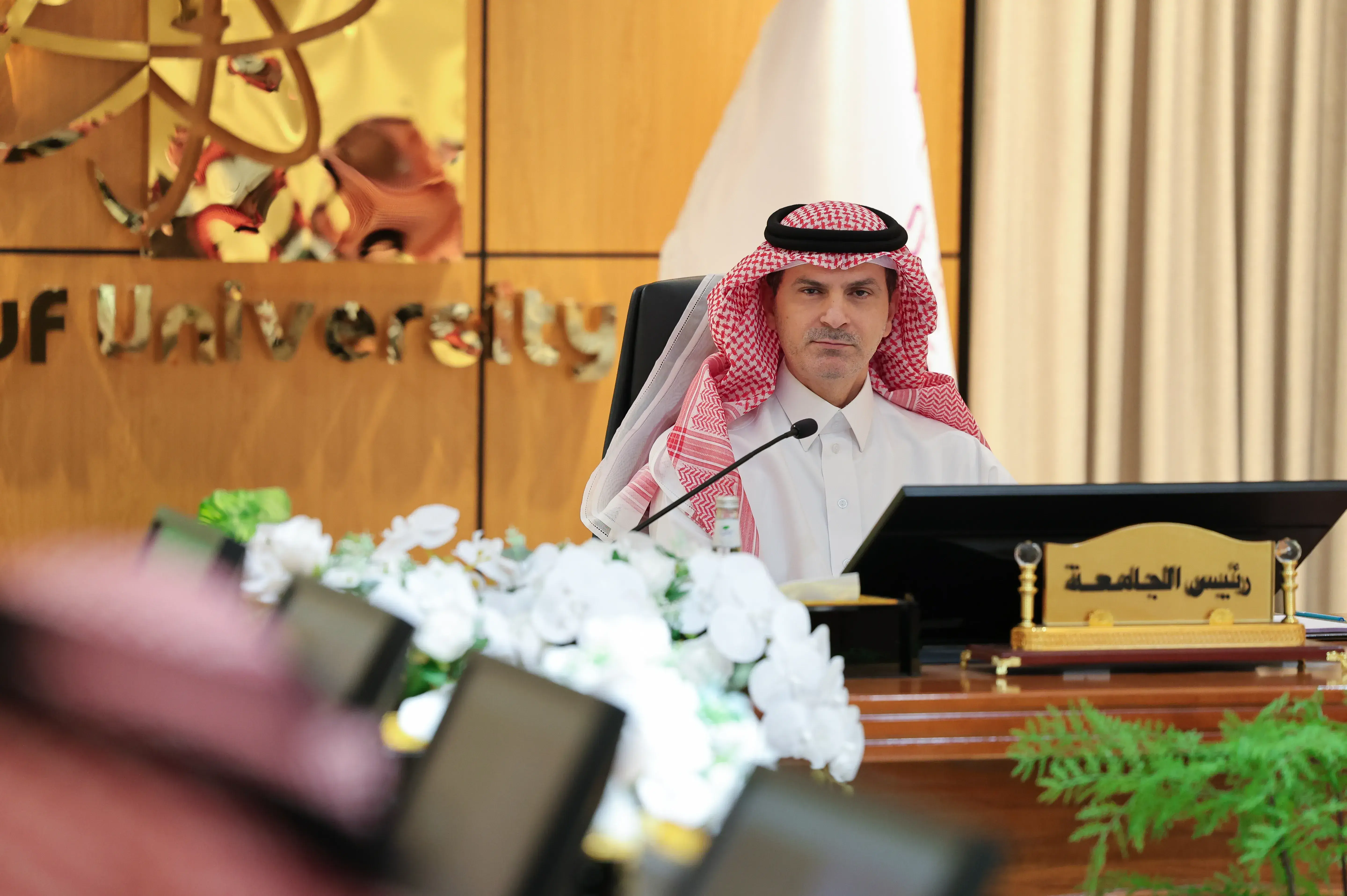
Chaired by the President of Jouf University, Prof. Mohammed bin Abdullah Al-Shaya, the University Council Holds Its Ninth Session and Approves a Number of Recommendations Supporting the University’s Development Journey
Jouf University Council held its ninth session for the academic year 1447 AH, chaired by the President of Jouf University, Prof. Mohammed bin Abdullah Al-Shaya, and attended by the members of the Council, including the University Vice Presidents, deans of colleges, and deans of supporting deanships. The session was held as part of the University’s ongoing efforts to advance its development journey, enhance the efficiency of its academic and administrative systems, and strengthen the principles of institutional governance, in alignment with the objectives of Saudi Vision 2030 and in line with the University’s strategic plan toward academic, research, and community excellence.
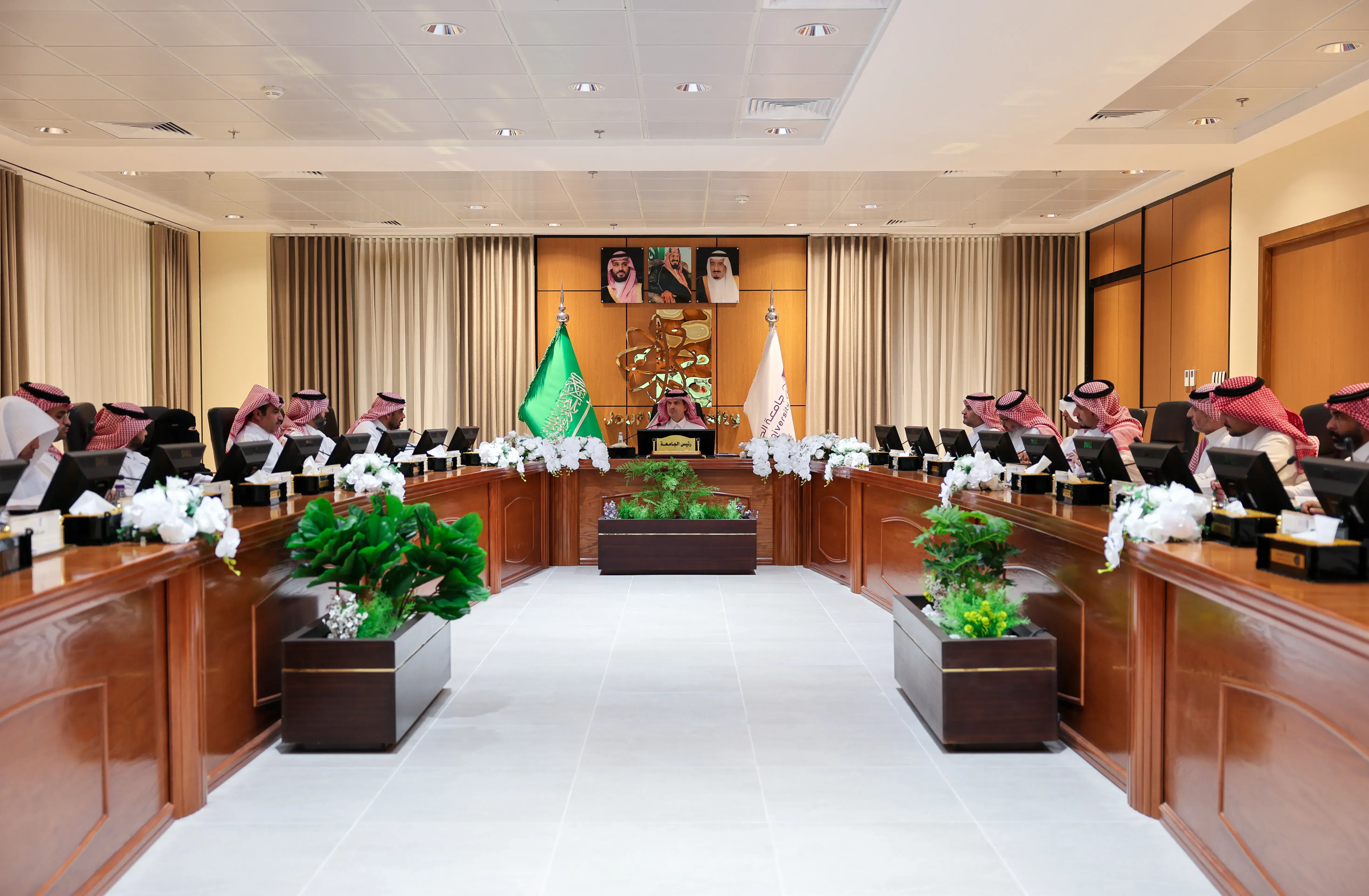
The Council began its proceedings by reviewing the items listed on the agenda, which reflected the University’s commitment to developing its educational and organizational environment and improving performance efficiency across its various sectors. The Council discussed a number of key academic and administrative topics, most notably the request to approve the academic calendar for the academic year 1448 AH, in a manner that ensures the organization of the educational process according to the highest standards of efficiency and quality, and supports the readiness of colleges and deanships for the upcoming academic year.
The Council also discussed the request to approve the criteria for faculty promotion differentiation at the University, a step that enhances fairness and transparency, supports pathways of academic and research excellence, and motivates faculty members to make qualitative contributions to scientific output, program development, and service to the University and the community. In addition, the Council reviewed the request to approve the procedures for addressing the status of faculty members in the University’s dissolved colleges, in a way that ensures the optimal utilization of academic competencies, achieves organizational alignment, and sustains educational and research performance in accordance with the University’s future needs.
These topics come within the framework of Jouf University’s direction toward enhancing the efficiency of its institutional system, developing its academic structure, and improving the quality of its educational outcomes through decisions and recommendations based on strategic planning. They also aim to raise performance effectiveness, achieve integration between academic and administrative sectors, and build a university environment that fosters excellence and innovation.
The President of Jouf University, Prof. Mohammed bin Abdullah Al-Shaya, affirmed that the University Council represents a key pillar in supporting the University’s development journey and making qualitative decisions that contribute to enhancing the efficiency of university operations. He noted that the topics and recommendations discussed by the Council are aligned with the University’s strategic plan, which aims to improve the quality of education, advance scientific research and innovation, strengthen institutional efficiency, and expand the University’s impact in community service and national development.
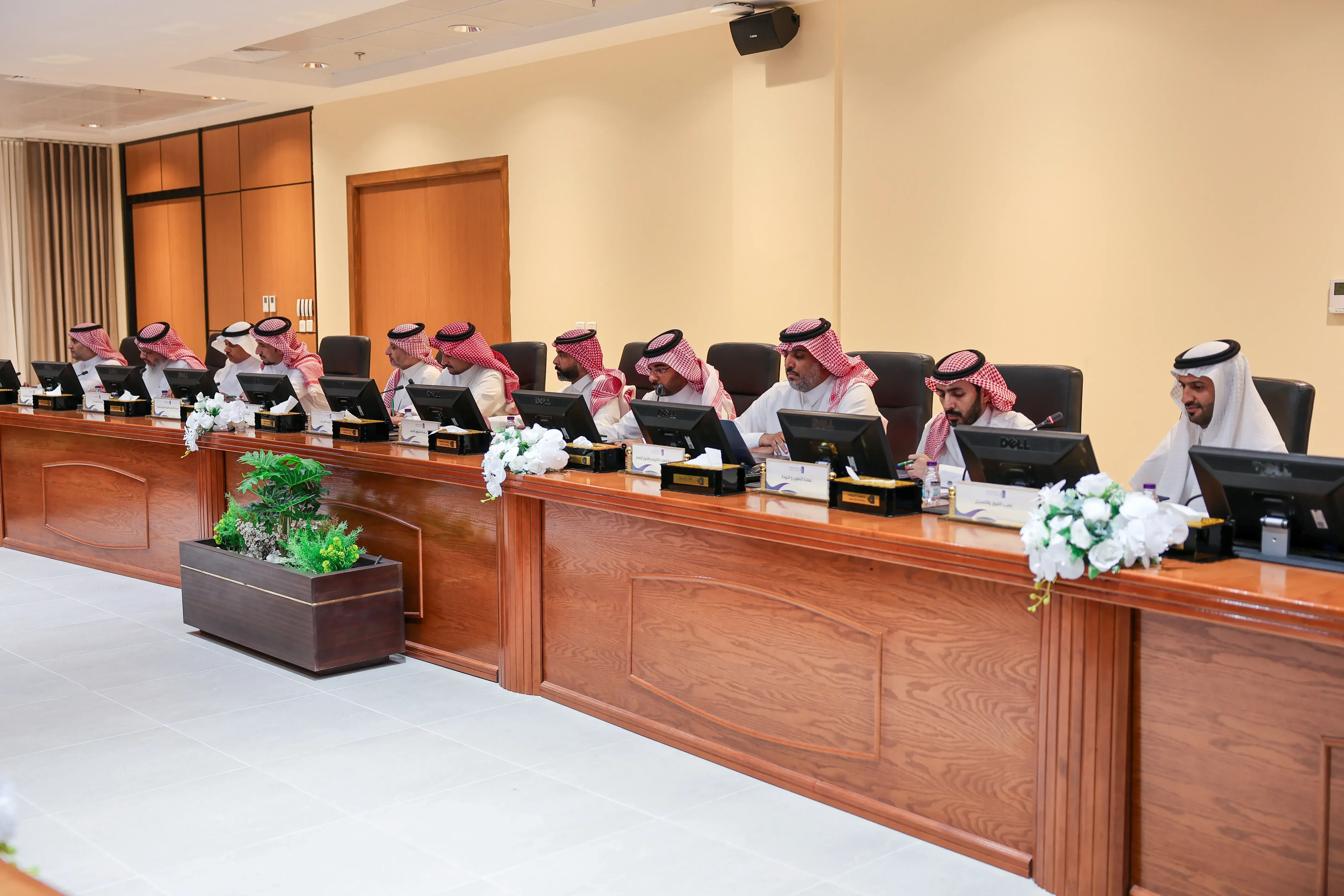
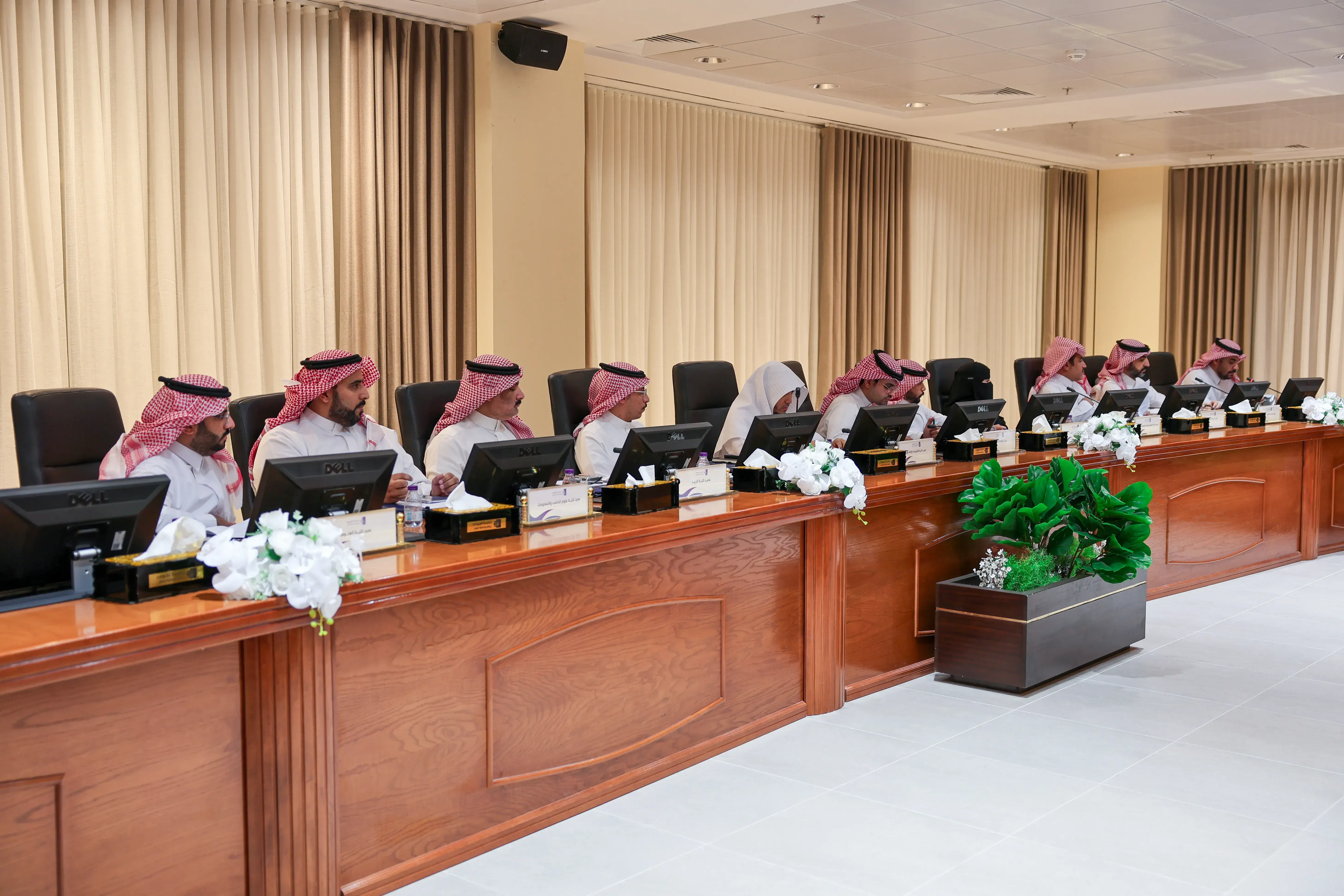
He stated: “Jouf University is moving forward with confident steps toward achieving its strategic objectives by developing its academic and administrative systems, enhancing the quality of its programs and outcomes, empowering its human capital, and strengthening its competitiveness at both national and international levels. This reflects the great support that the higher education sector receives from the wise leadership, and aligns with the aspirations of the Ministry of Education to build effective, competitive, and development-oriented universities.”
The Council also discussed a number of other academic and administrative topics and took the appropriate decisions and recommendations in this regard, contributing to the enhancement of educational outcomes, the improvement of institutional performance efficiency, the development of the university environment, and the continued pursuit of leadership and excellence in education, scientific research, and community service.