


Jouf University President Prof. Mohammed bin Abdullah Al-Shaya Reviews the Annual Report of the College of Applied Medical Sciences in Qurayyat and Emphasizes the Importance of Maximizing Its Health and Community Impact
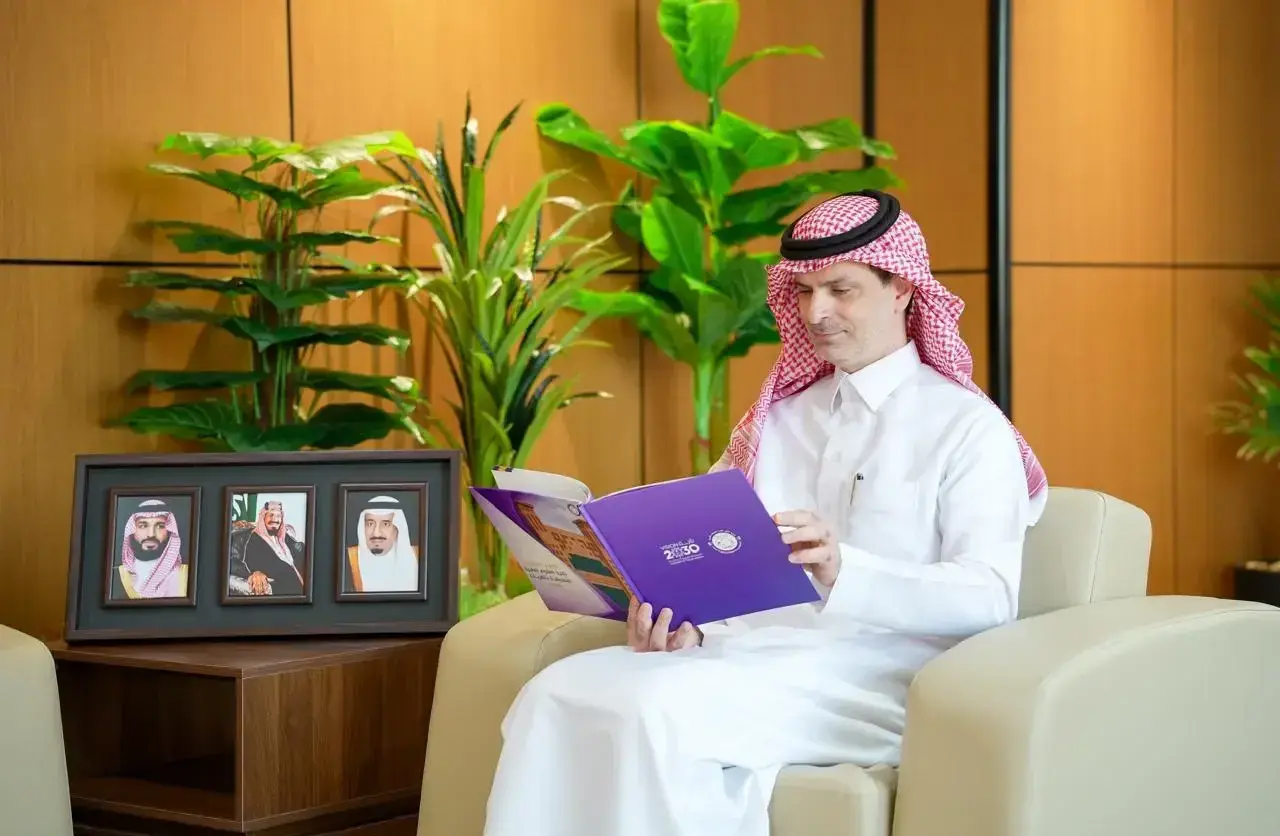
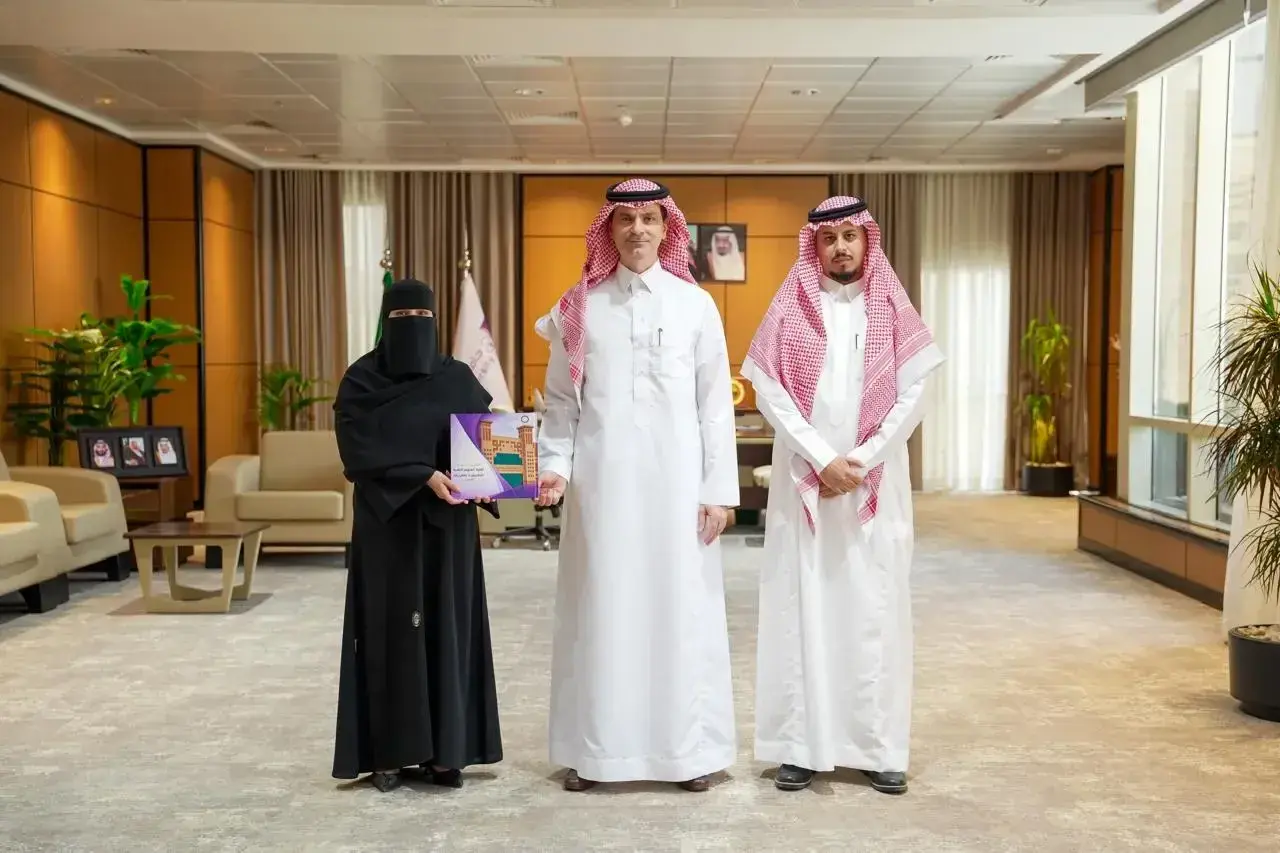
His Excellency the President of Jouf University, Prof. Mohammed bin Abdullah Al-Shaya, received the Dean of the College of Applied Medical Sciences in Qurayyat, Prof. Maryam bint Nazzal Al-Anzi, and the College’s Vice Deans. During the meeting, the College’s annual report for the 1447 AH academic year was presented, highlighting performance indicators and significant achievements in teaching and learning, scientific research and innovation, quality and academic accreditation, community service, and volunteer work, as well as the College’s future objectives and development plans.
His Excellency reviewed the College’s progress during the academic year and its advancement in building an integrated educational and healthcare ecosystem that connects knowledge with professional practice, scientific research with the needs of the healthcare sector, and academic work with a direct and meaningful community impact. These efforts strengthen the College’s role in preparing qualified national professionals and contribute to the objectives of healthcare transformation and Saudi Vision 2030.
The report revealed that the College achieved a 100% program accreditation rate after all three of its programs—Clinical Laboratory Sciences, Nursing, and Physical Therapy and Health Rehabilitation—received full accreditation. Targeted students also achieved a 100% pass rate in the Saudi Commission for Health Specialties examinations, reflecting the quality of educational outcomes and their alignment with professional standards and labor market requirements.
The indicators showed that the College had 555 students and 49 graduates. Of these, 42 graduated within the standard completion period, representing 85.7% and exceeding the established target. Student and faculty satisfaction with the learning environment reached 98%, demonstrating the effectiveness of academic services and the quality of the environment supporting education and training.
In scientific research, the College recorded significant growth in both its output and scholarly impact. It published 104 research papers during the year, achieving 115% of its target. Of these, 55 were published in first-quartile (Q1) journals, representing 53% of the total publications. The College’s research also received 2,144 citations—an increase of 724 over the previous year—reflecting its growing presence and influence within the scientific and research community.
Innovation and knowledge transfer were prominent areas of excellence. The College achieved its target by registering two patents with the Australian intellectual property office, in addition to registering seven innovative models with intellectual property offices in the United Kingdom and the European Union. The College also maintained a notable presence at scientific and innovation events, earning several local and international awards and medals, including a silver medal at the International Exhibition of Inventions Geneva and gold and silver medals at the British Invention Show.
The College’s institutional excellence was further recognized when it received the University President’s Leadership Award for 2025 in the field of digital content. Faculty members and students also earned advanced placements at conferences, exhibitions, and research and innovation competitions, reflecting the growing culture of creativity, competitiveness, and transforming ideas into projects of scientific and practical value.
His Excellency the University President affirmed that the College’s achievements demonstrate the maturity of its academic ecosystem and its ability to transform knowledge into qualified healthcare professionals, applied research, and innovative solutions with a tangible impact.
His Excellency said: “The full accreditation of all the College’s programs, the 100% pass rate in professional examinations, and the qualitative growth in scientific research and innovation are important indicators of the quality of academic work and the efficiency of its outcomes. In the coming phase, we look forward to strengthening partnerships with the healthcare sector, directing research and innovation toward the needs of the region and national priorities, and empowering students and graduates to compete effectively and contribute to advancing healthcare and improving quality of life.”
In community responsibility, the College implemented 29 activities and initiatives, including 18 health activities and 11 awareness programs, achieving all the targets of its community engagement plan. Volunteer work also recorded remarkable growth, with the number of opportunities rising to 380, involving 1,934 male and female volunteers who completed a total of 22,258 volunteer hours. These results demonstrate the College’s commitment to promoting health awareness, strengthening the culture of volunteerism, and serving the community.
The meeting also reviewed the College’s efforts to expand its academic and professional partnerships. It concluded four local and international agreements and memoranda of understanding to support student exchange and scientific research and introduced four investment-based training opportunities. These initiatives contribute to diversifying revenue sources, developing knowledge-based investment, and strengthening the alignment of academic programs with labor market needs.
At the conclusion of the meeting, His Excellency directed the College to continue building on its achievements, preserve the gains made in accreditation and quality, develop its educational, technological, and clinical training environments, and strengthen multidisciplinary research, innovation, and intellectual property. He also emphasized expanding opportunities for training, employment, and partnerships with healthcare sectors.
His Excellency commended the efforts of the Dean, Vice Deans, faculty members, administrative staff, and students, whose contributions played a vital role in achieving these significant results.