


Jouf University President Reviews Applied College Annual Report and Commends Its Achievements in Applied Education, Training, Research, and Community Service
The President of Jouf University, Prof. Mohammed bin Abdullah Al-Shaya, received the Chief Executive Officer of the Applied College to review the College’s annual report for the academic year 1447 AH, and to discuss its key indicators and achievements reflecting the significant development witnessed by the College in applied education and training, labor market alignment, scientific research, community service, volunteer work, and institutional excellence.
At the beginning of the meeting, the University President was briefed on the main themes of the report and its qualitative outcomes, which highlighted the Applied College’s continued role as one of the University’s important educational pathways. Through its applied and professional programs, the College contributes to preparing qualified national cadres and equipping students with the skills and knowledge required by the labor market, in support of national development goals and Saudi Vision 2030.
Prof. Al-Shaya commended the positive indicators achieved by the College during the academic year 1447 AH, affirming that the report reflects maturity in planning and implementation, integration between academic, training, and community dimensions, and a strong commitment to developing the applied education model in line with modern transformations in higher education. He added that these efforts enhance the efficiency of the University’s outputs and strengthen its competitiveness.
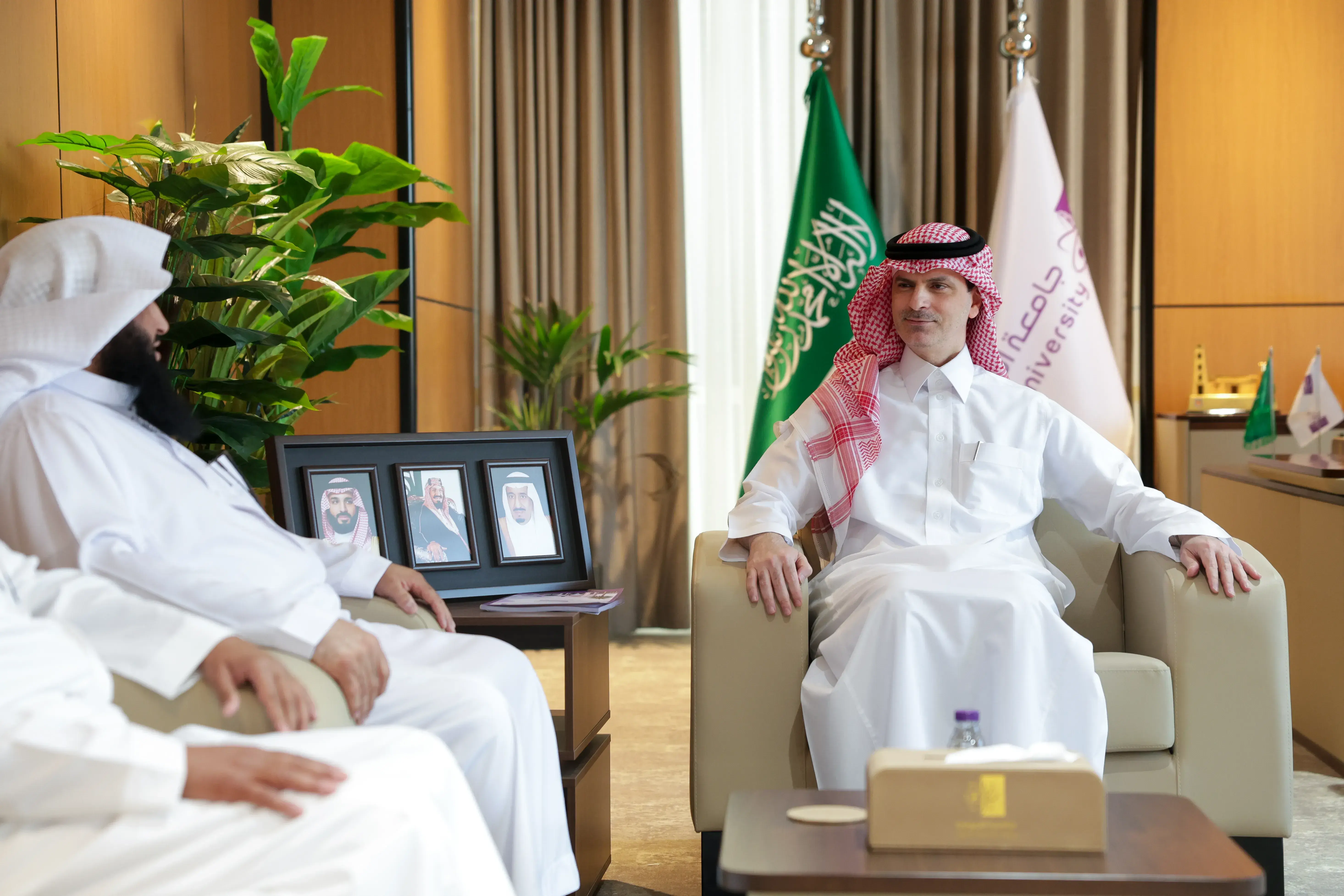
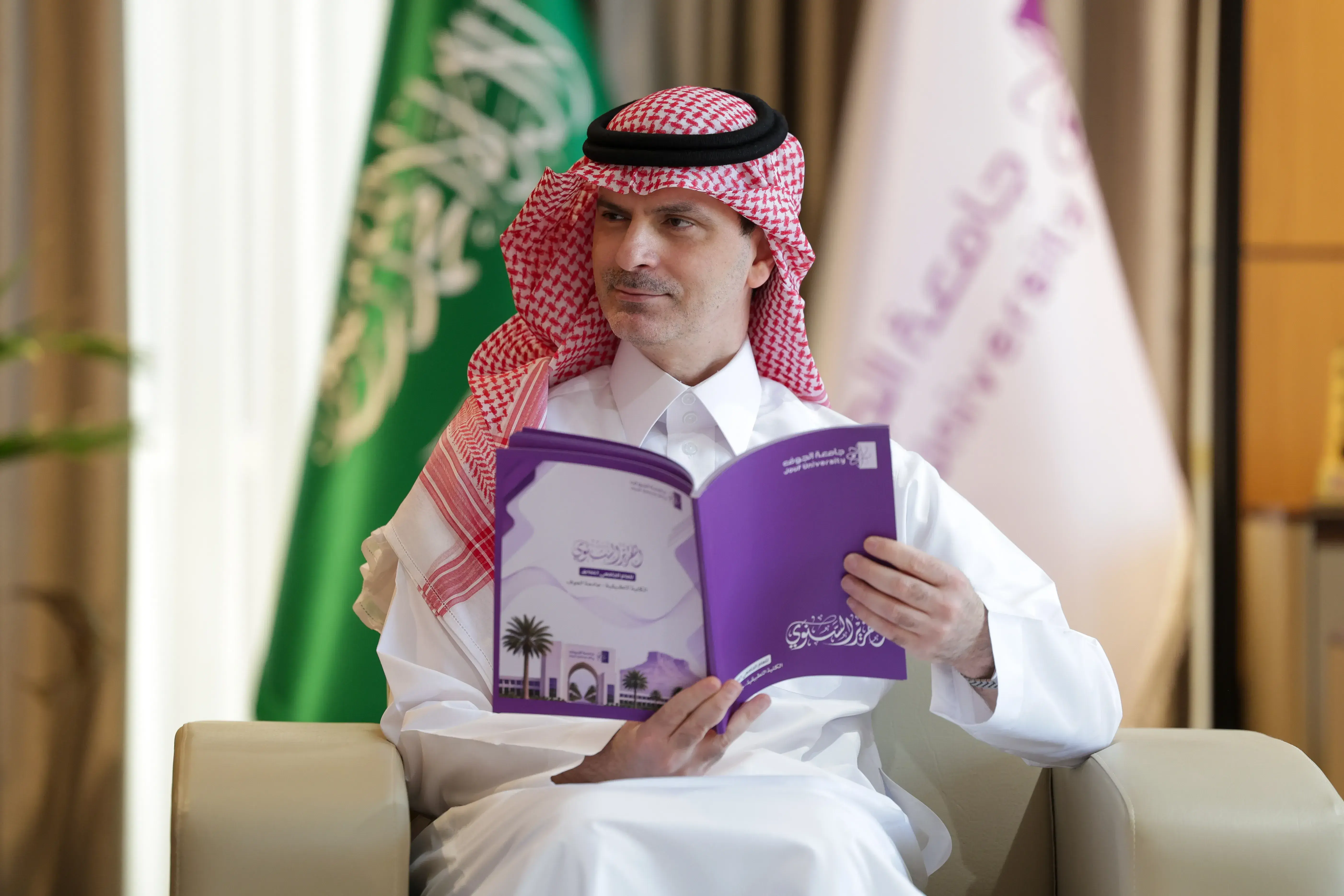
The report reviewed the College’s efforts to enhance the quality of applied education and training across its branches in Sakaka, Qurayyat, and Tabarjal, through professional diploma programs linked to accredited professional certifications. These programs contribute to bridging the gap between educational outcomes and labor market needs. The report also highlighted the qualitative launch of three paid distance-learning diploma programs in Cybersecurity, Human Resources Management, and Risk Management, with a total enrollment of 135 male and female students. The first cohort achieved a high success rate exceeding 86% from its first semester, reflecting the College’s readiness to expand modern modes of education.
The report included key student enrollment indicators, with an average of 3,013 regular students throughout the year, including 2,258 female students, representing 74.9%, and 755 male students, representing 25.1%. In addition, 447 male and female students were admitted to the shared English language track, distributed between the scientific and theoretical tracks, reflecting the high demand for the College’s programs and the diversity of its educational pathways.
In the area of teaching and learning quality, the report indicated high success rates across programs, most of which ranged between 80% and 100%. It also showed a notable decrease in withdrawal and dropout rates in several programs, including Information Technology, where the rate dropped from 16.37% to 4.68%, and Cybersecurity, where it decreased from 13.88% to 2.36%. The report further highlighted positive results in standardized English language tests, with 583 students taking the tests and 479 passing, alongside a noticeable improvement in proficiency levels.
In terms of labor market alignment and applied training, the report revealed an increase in the number of programs offering the applied training course from 10 to 12 programs, representing a 20% increase. The number of offered sections also rose from 47 to 88, an 87% increase across the two semesters, in addition to 35 sections offered during the summer semester. The College also expanded its cooperation with training entities, reaching 124 partner organizations, including 85 government entities, 30 private sector entities, and 9 nonprofit organizations. This contributes to providing students with broader opportunities to gain professional experience and practical training in real work environments.
The report also addressed the College’s achievements in academic accreditation and professional classification. The Intermediate Diploma Program in Sterilization obtained accreditation from the Saudi Commission for Health Specialties, while work is underway to complete the final accreditation requirements for the Cybersecurity Program. In addition, the College completed the classification of 12 programs with the Ministry of Human Resources and Social Development, further enhancing graduate employability and improving program alignment with labor market needs.
In community service and volunteer work, the report demonstrated the College’s active presence through the implementation of 126 events, visits, volunteer and community activities, and intellectual awareness programs, in addition to 125 activities and workshops. These efforts underscore the College’s role in serving the local community, developing students’ professional and personal skills, and promoting the values of responsibility, belonging, and active participation.
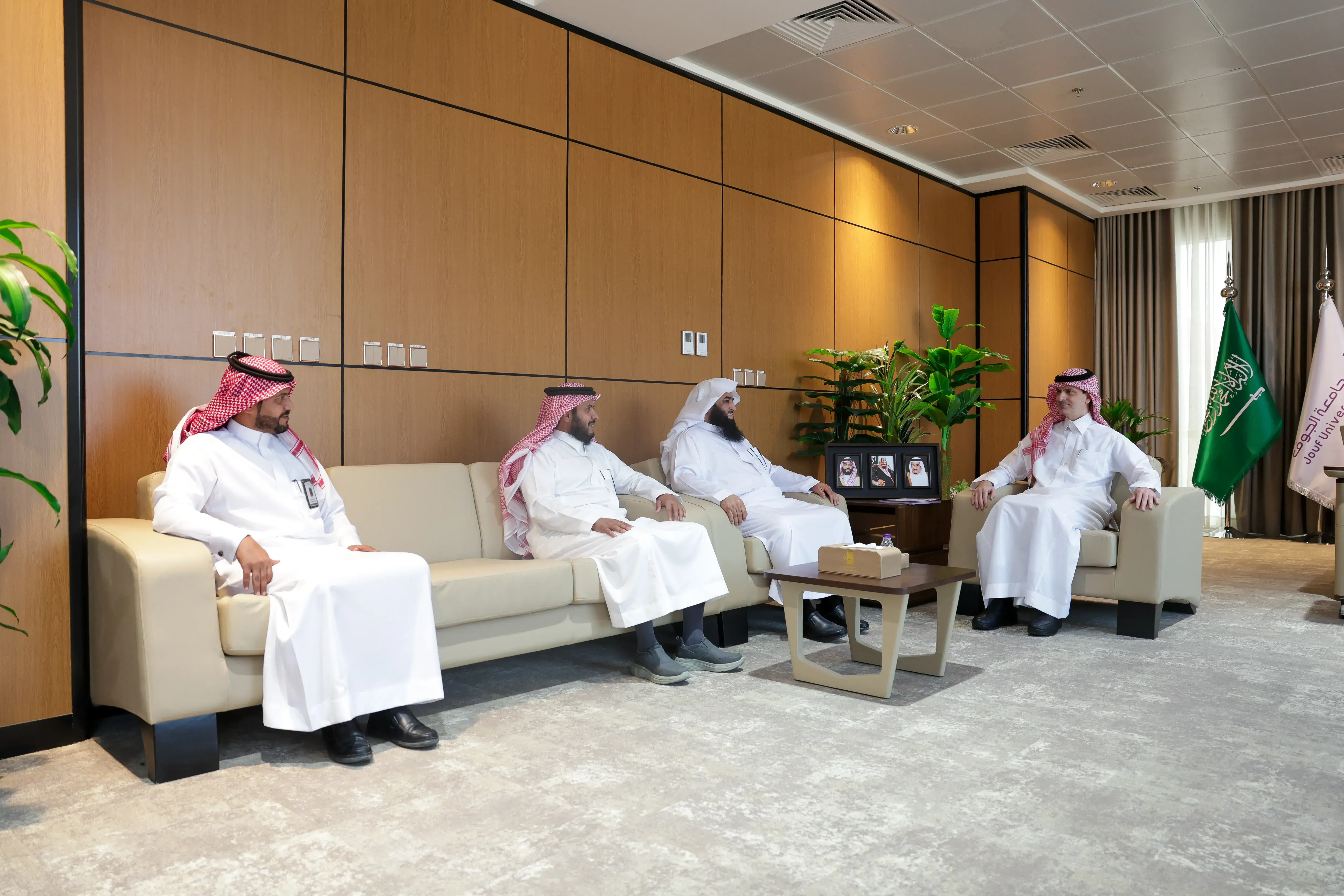
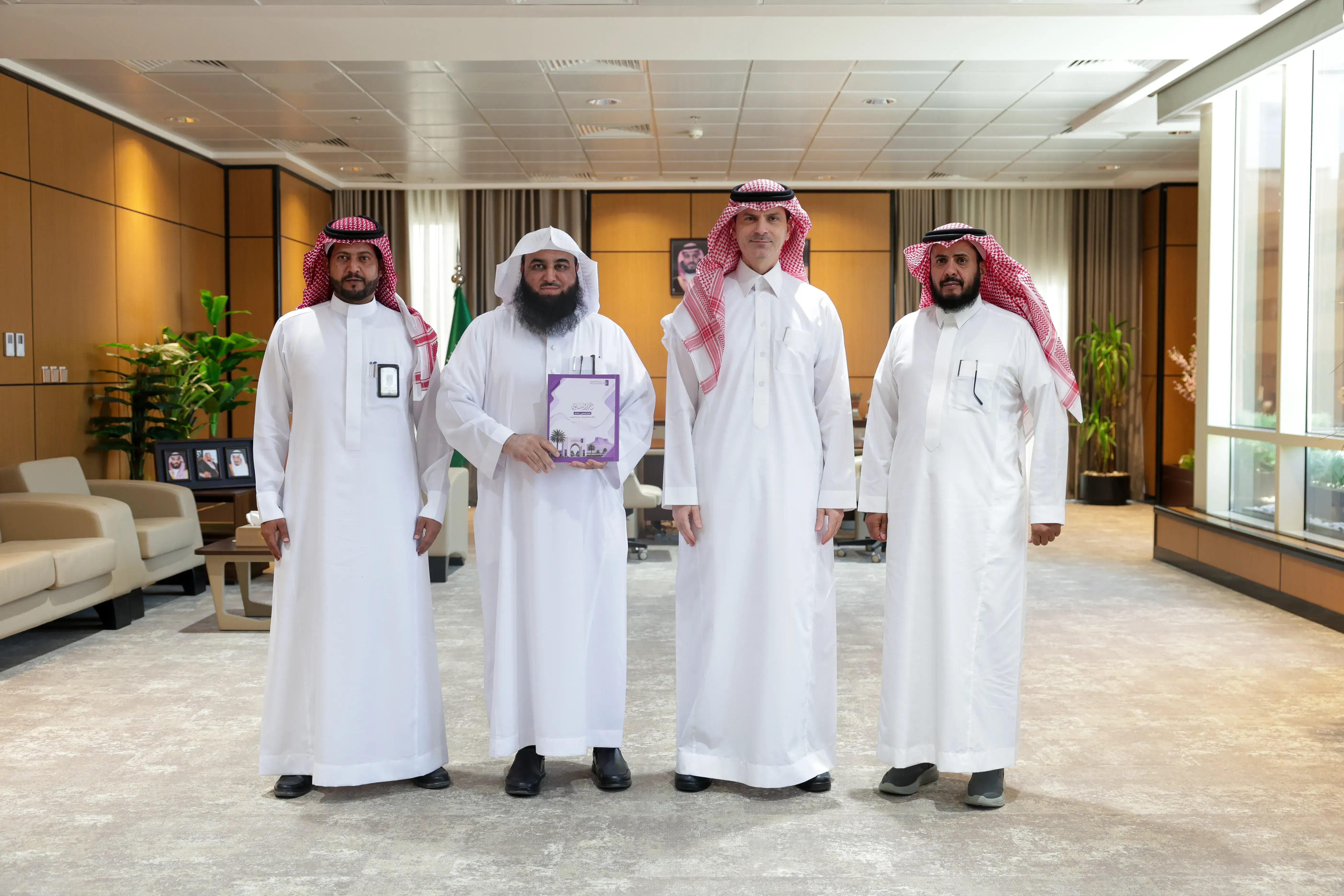
The report also reviewed the College’s efforts in digital excellence and governance, noting that the College’s website achieved 100% in the digital content indicator, with full compliance across 10 out of 10 standards. The College also activated its administrative governance system through 15 councils, committees, and units, 77 minutes of meetings, and 215 agenda items, with an average of 3 items per meeting, reflecting the advancement of institutional work and the effectiveness of follow-up and organization.
The report further highlighted the College’s efforts to strengthen its media presence and showcase its achievements, with 390 media coverages, including 130 posts across digital platforms and 260 news items published on the College’s website. It also noted an increase in the average number of student awards from 6 to 8, reflecting students’ excellence and active engagement across various programs and activities.
The University President affirmed that the Applied College represents an important pillar within Jouf University’s system and a key supporter of its efforts to develop human capital, enhance graduate readiness, and strengthen the University’s role in community service. He noted that the next phase requires continued development of applied programs, expansion of quality partnerships, enhancement of practical training, and advancement of quality and accreditation indicators, in alignment with the University’s strategic objectives.
Prof. Al-Shaya also praised the efforts of the College’s leadership and staff in achieving these results, emphasizing the importance of continuing to work with a strong team spirit and building on the achievements accomplished to develop more impactful initiatives. These initiatives, he said, will contribute to advancing applied education, strengthening scientific research, empowering students, serving the community, and consolidating Jouf University’s position as an active educational institution supporting national development.
This meeting comes as part of Jouf University’s commitment to monitoring the performance of its colleges and deanships, supporting development and continuous improvement efforts, and enhancing the efficiency of academic and applied programs in a way that fulfills the University’s objectives and contributes to preparing qualified national graduates capable of competing and contributing to the future of development.