


President of Jouf University, Prof. Mohammed bin Abdullah Al-Shaya, Chairs the Seventh Meeting of the Higher Committee for Electronic Transactions and Reviews Digital Transformation Indicators and Technology Partnerships
The President of Jouf University, Prof. Mohammed bin Abdullah Al-Shaya, chaired the seventh meeting of the University’s Higher Committee for Electronic Transactions for 2026, held on Sunday, 24 Rabi’ Al-Awwal 1448 AH, corresponding to September 6, 2026. The Committee’s work is organized by the Deanship of E-Learning and Digital Transformation. The meeting focused on monitoring the University’s digital transformation journey, reviewing performance indicators and progress across a number of strategic and technological areas, and discussing initiatives and partnerships aimed at enhancing the efficiency of the University’s digital environment and improving the quality of its digital services and technological capabilities.
During the meeting, the Committee discussed five key areas: cybersecurity, the 2026 Digital Transformation Measurement Index, digital content quality and the Webometrics Ranking, targeted national and international awards, and the outcomes of Jouf University’s participation in LEAP 2026. These areas form part of an integrated approach aimed at developing the University’s digital infrastructure, strengthening technology governance, advancing the maturity of electronic services, and expanding the use of modern technologies across University operations.
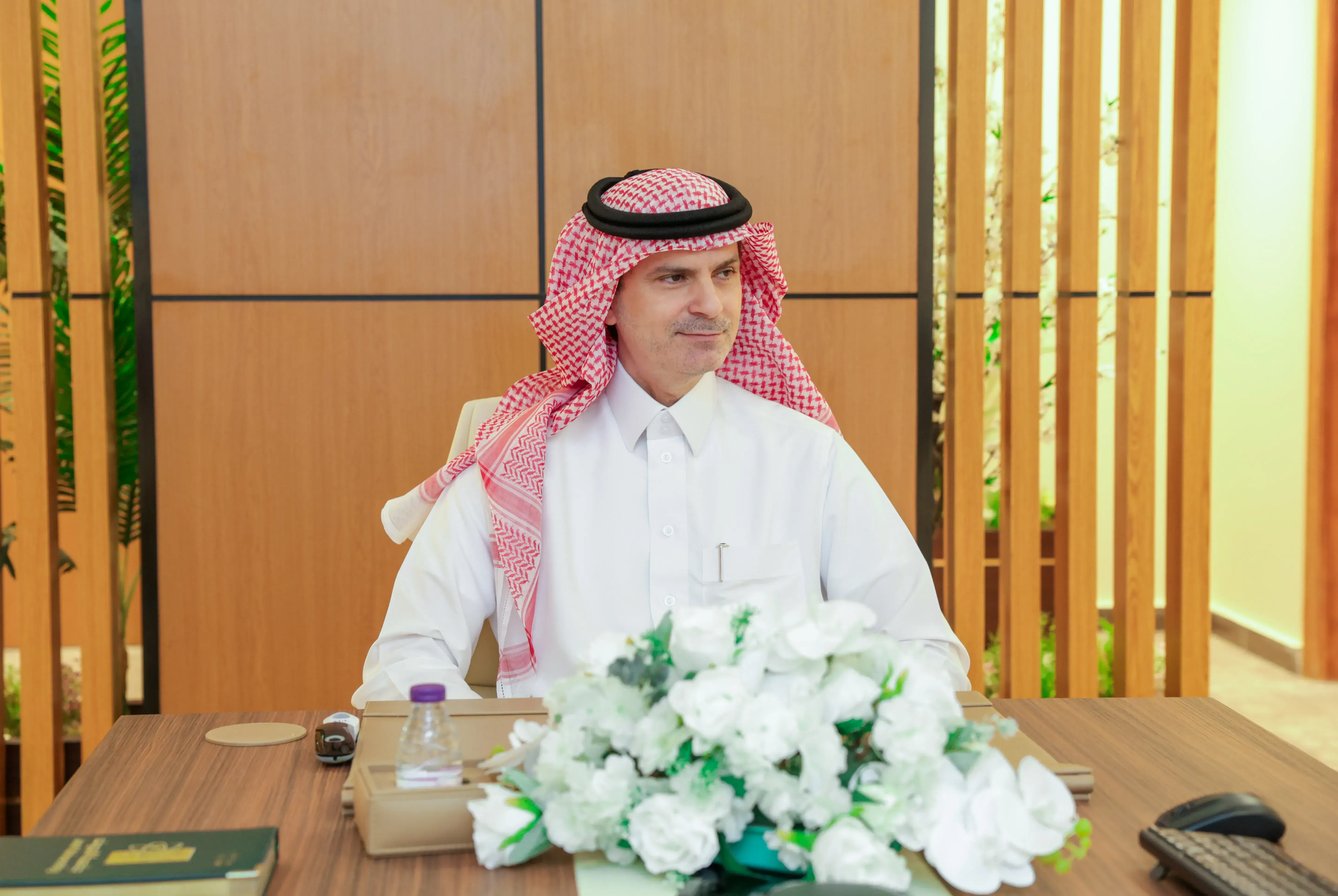
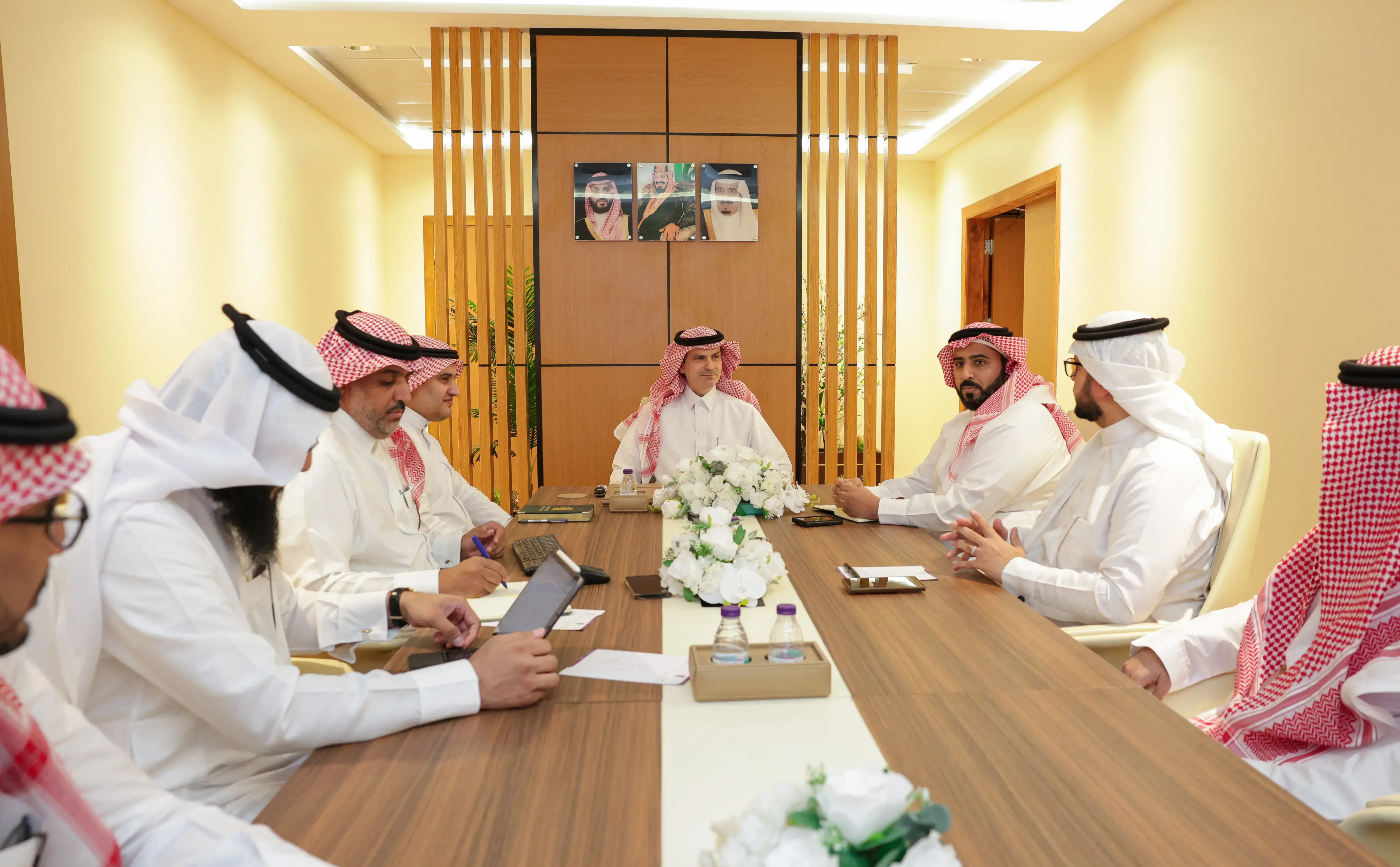
The University President reviewed the latest developments related to the 2026 Digital Transformation Measurement Index and the University’s readiness to meet its requirements. He emphasized the importance of continuing to develop digital services and systems in accordance with the highest standards of efficiency and quality, while strengthening integration and coordination among relevant sectors in support of the University’s digital transformation objectives and the enhancement of the beneficiary experience.
The Committee also reviewed the results of the digital content quality assessment across University entities. Jouf University recorded an overall compliance rate of 99%, representing the average performance across ten standards applied to 19 evaluated entities. This result reflects the University’s progress in digital content governance, quality enhancement, and the standardization of digital content practices in accordance with approved criteria.
The Committee also discussed the University’s progress in the Webometrics Ranking. In the July 2026 edition, Jouf University advanced by 239 positions globally, moving from 1,655th to 1,416th place worldwide. It also advanced three positions nationally, rising from 17th to 14th among Saudi universities. This progress reflects the continued development of the University’s digital presence, improved accessibility to its academic and research outputs, and the growing quality and reach of its online content.
Prof. Al-Shaya emphasized the importance of building on this progress and continuing to strengthen the University’s digital presence through sustainable institutional practices. He stressed that digital transformation goes beyond the development of systems and technical services, serving instead as a strategic enabler for improving operational efficiency, enhancing the student and beneficiary experience, supporting education, research, and innovation, and strengthening the University’s competitiveness and institutional standing.
The Committee also reviewed developments related to the awards targeted by the University as part of its efforts to strengthen its participation in national and international competitions. Jouf University submitted an entry to the fifth edition of the Digital Government Award, under the category of Artificial Intelligence Technology Adoption, on September 3, 2026. The University’s nomination for the Times Higher Education Awards Arab World, in the category of Technological or Digital Innovation of the Year, has also advanced to the second stage. In addition, the University continues its preparations to participate in the Innovation in E-Learning and Training Award, organized by the National eLearning Center, once the 2026 cycle opens.
The meeting further reviewed the outcomes of Jouf University’s participation in LEAP 2026, which resulted in several strategic outcomes supporting the University’s efforts to expand partnerships with leading technology companies. During the event, the University signed two agreements on the Digital Saudi stage. The first was with Zain Saudi Arabia to develop an integrated ecosystem for advanced communications and digital innovation at Jouf University, while the second was a memorandum of understanding with Oracle to enhance cooperation in artificial intelligence, data, and cloud computing.
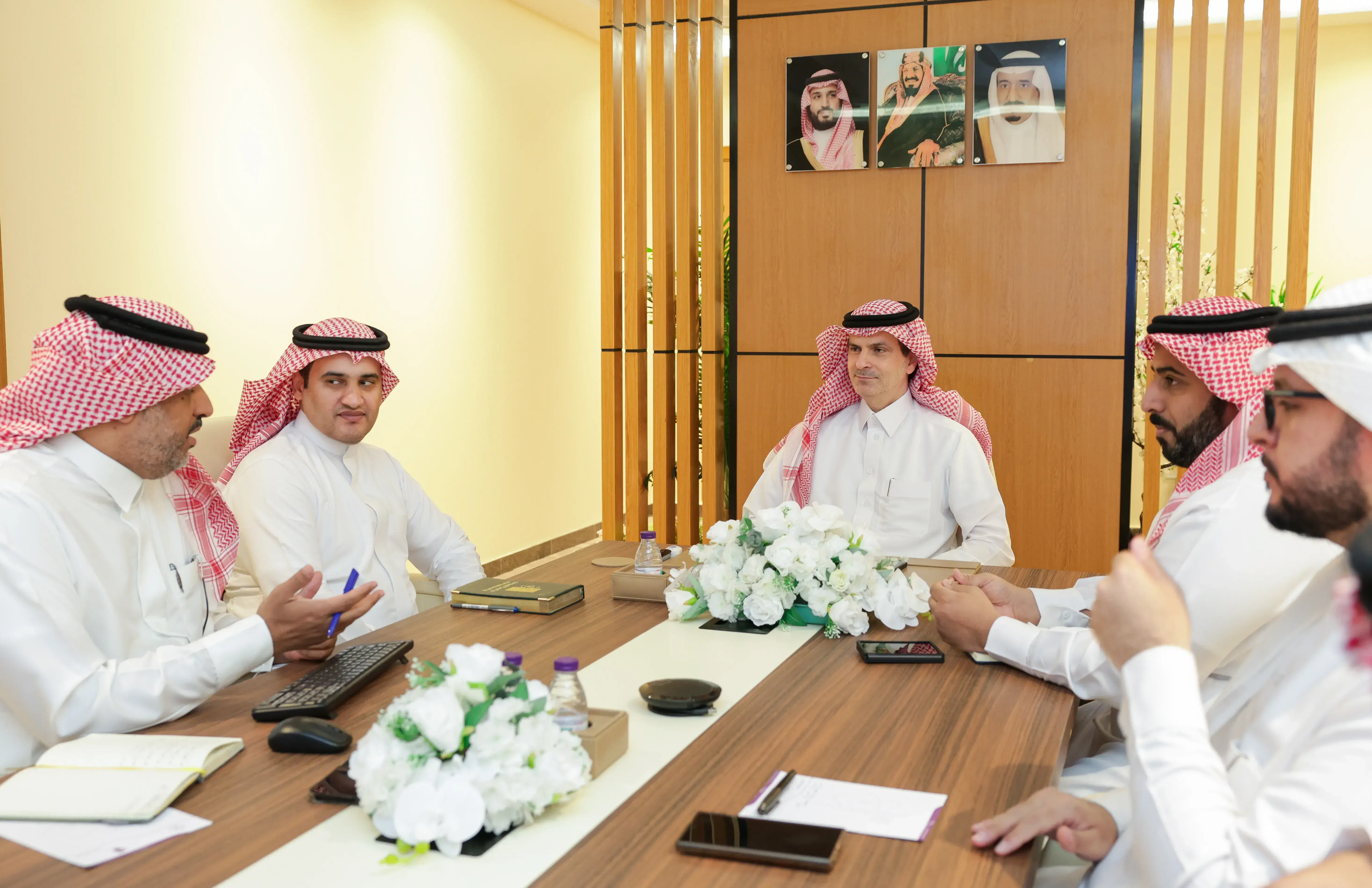
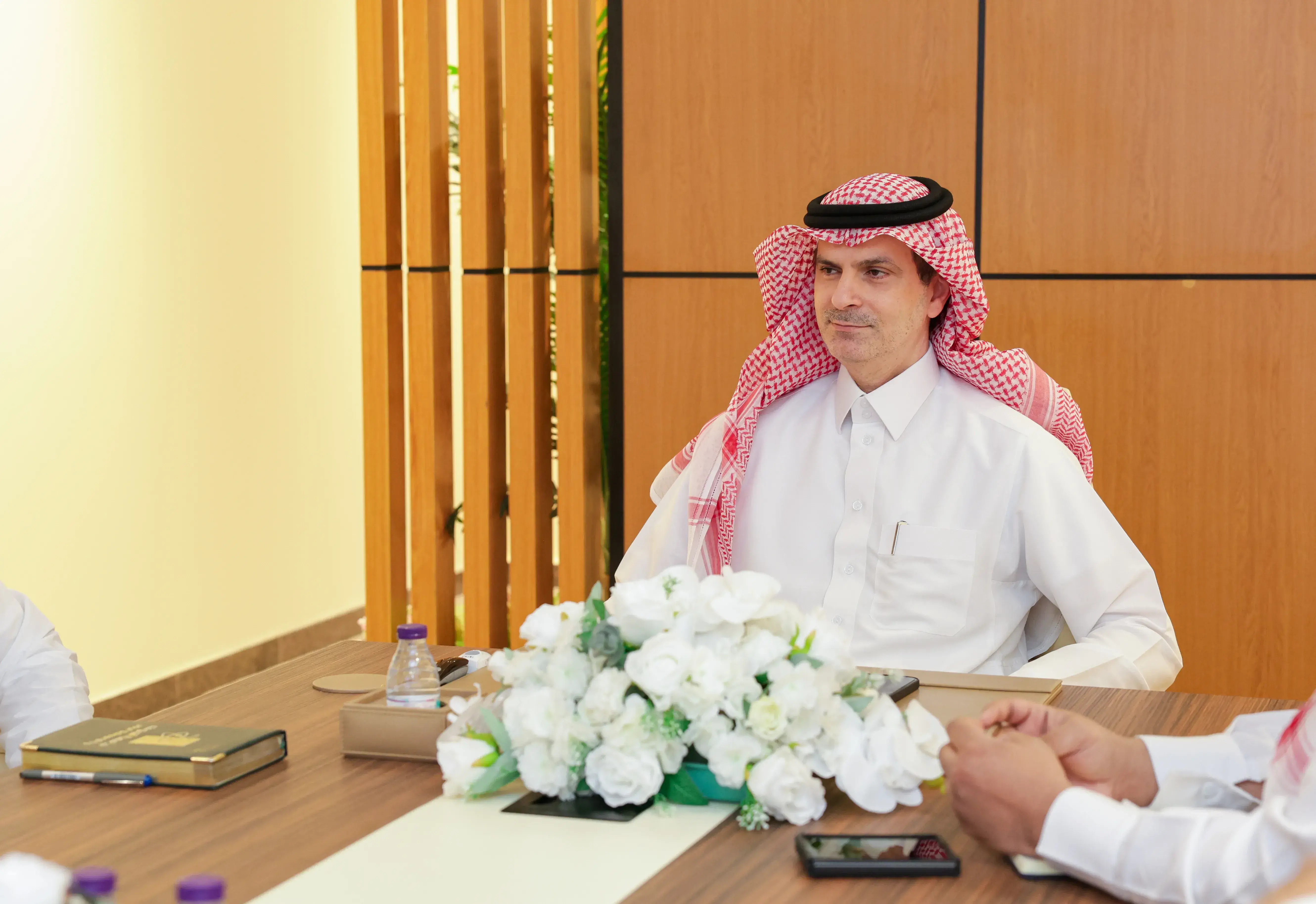
The University’s participation also included meetings and visits with more than 35 technology companies, resulting in the identification of 10 companies as potential strategic partners across five key areas: research and innovation, capacity building, employment and entrepreneurship, product and infrastructure development, and community impact. These potential partnerships are expected to support knowledge and technology transfer, strengthen digital capabilities, and create new opportunities for innovation, training, and employment.
The University President directed that the outcomes of technological participation and partnerships be translated into measurable programs, projects, and deliverables, while ensuring continued follow-up on collaboration opportunities with the identified companies and relevant entities. He stressed the importance of ensuring that technology partnerships generate added value for the University, its students, and researchers, and remain closely aligned with its academic, research, and development priorities.
Prof. Al-Shaya also emphasized the importance of continuing to advance the University’s digital transformation and cybersecurity ecosystem, enhancing the quality of digital content and services, and leveraging data, artificial intelligence, and emerging technologies to further develop the University environment. He stressed the need for continuous performance measurement, close monitoring of indicators, and the use of results to identify opportunities for ongoing improvement and development.
The work of the Higher Committee for Electronic Transactions forms part of Jouf University’s broader approach toward sustainable institutional digital transformation—one that goes beyond digitizing procedures to building a smarter, more efficient, and more integrated institutional ecosystem. This approach leverages technology, data, and artificial intelligence to support decision-making, improve service quality, and advance education, research, and innovation, thereby translating the objectives of the University’s Strategic Plan into tangible outcomes and aligning with the Kingdom’s digital transformation goals and Saudi Vision 2030.