


HRH Prince of Al-Jouf Reviews Jouf University’s Achievements in Institutional Performance and Its Efforts in Intellectual Awareness and Volunteerism
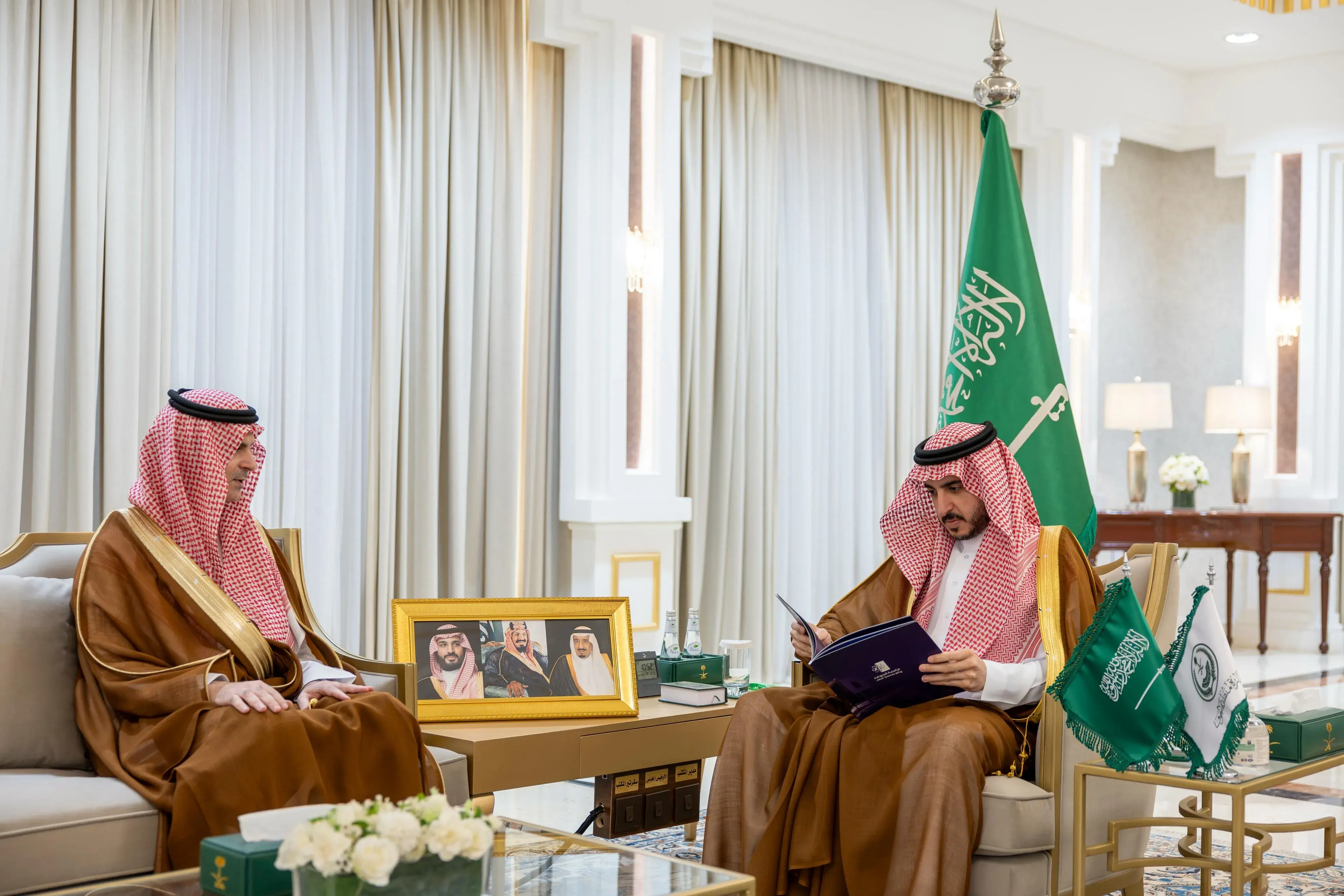
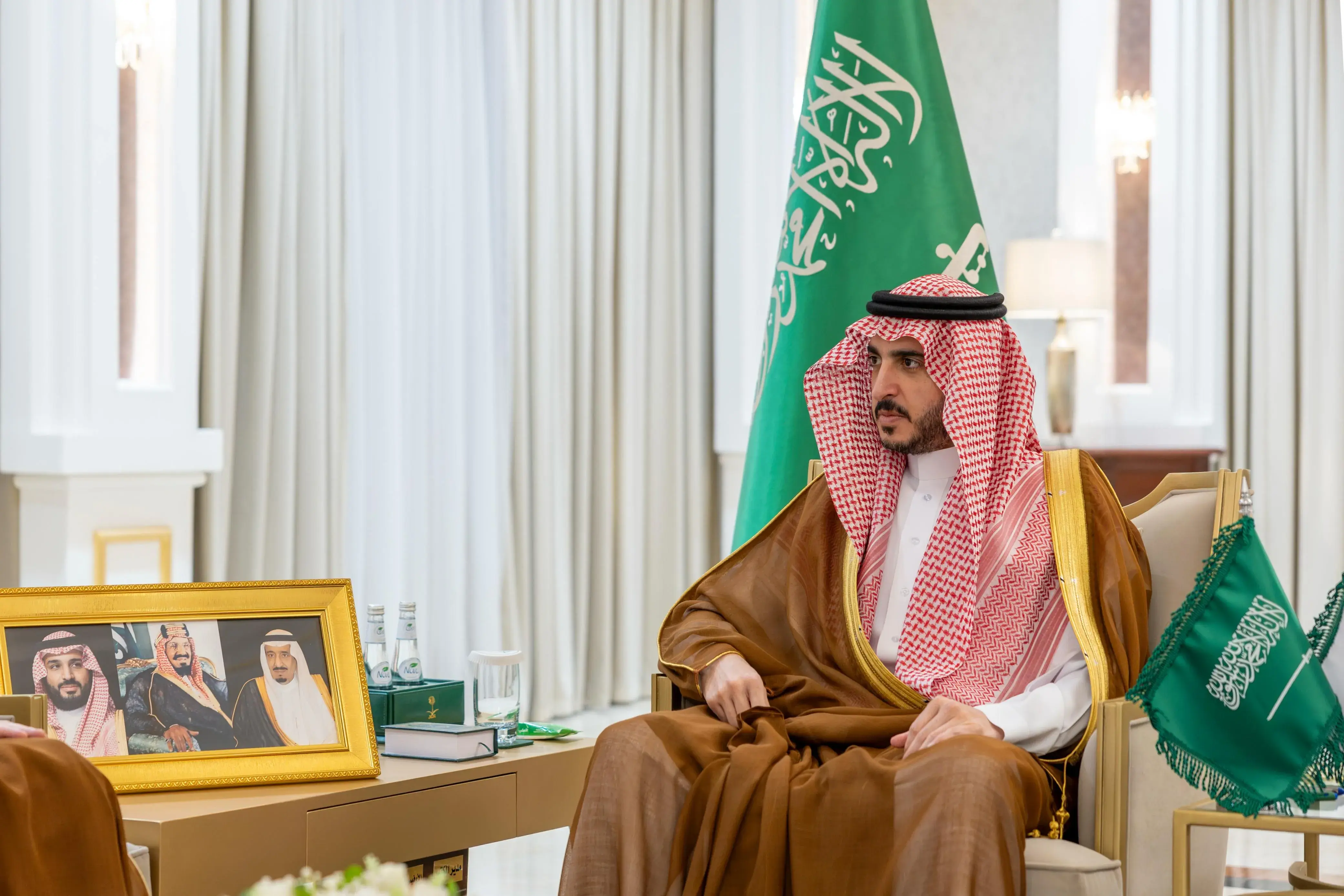
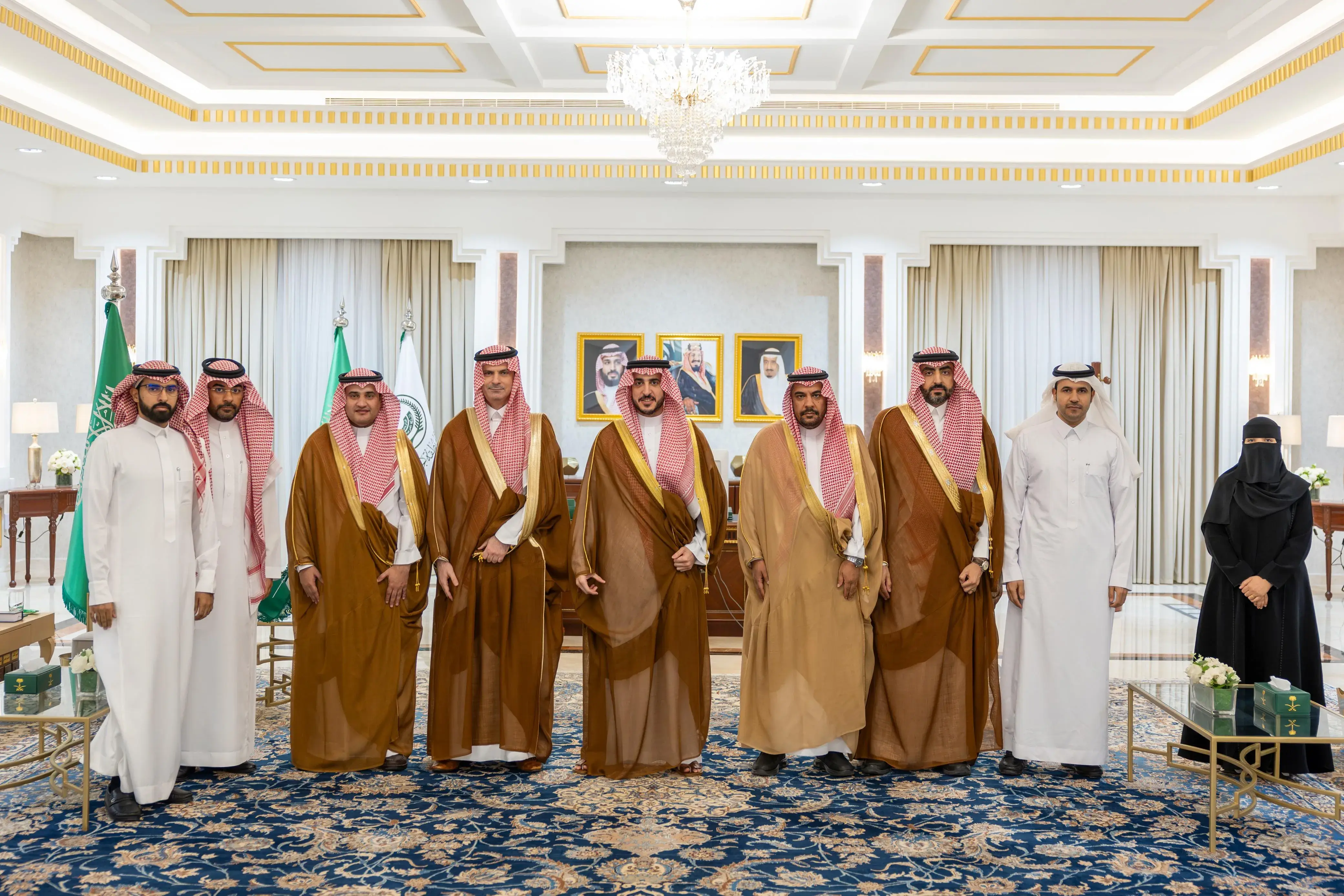
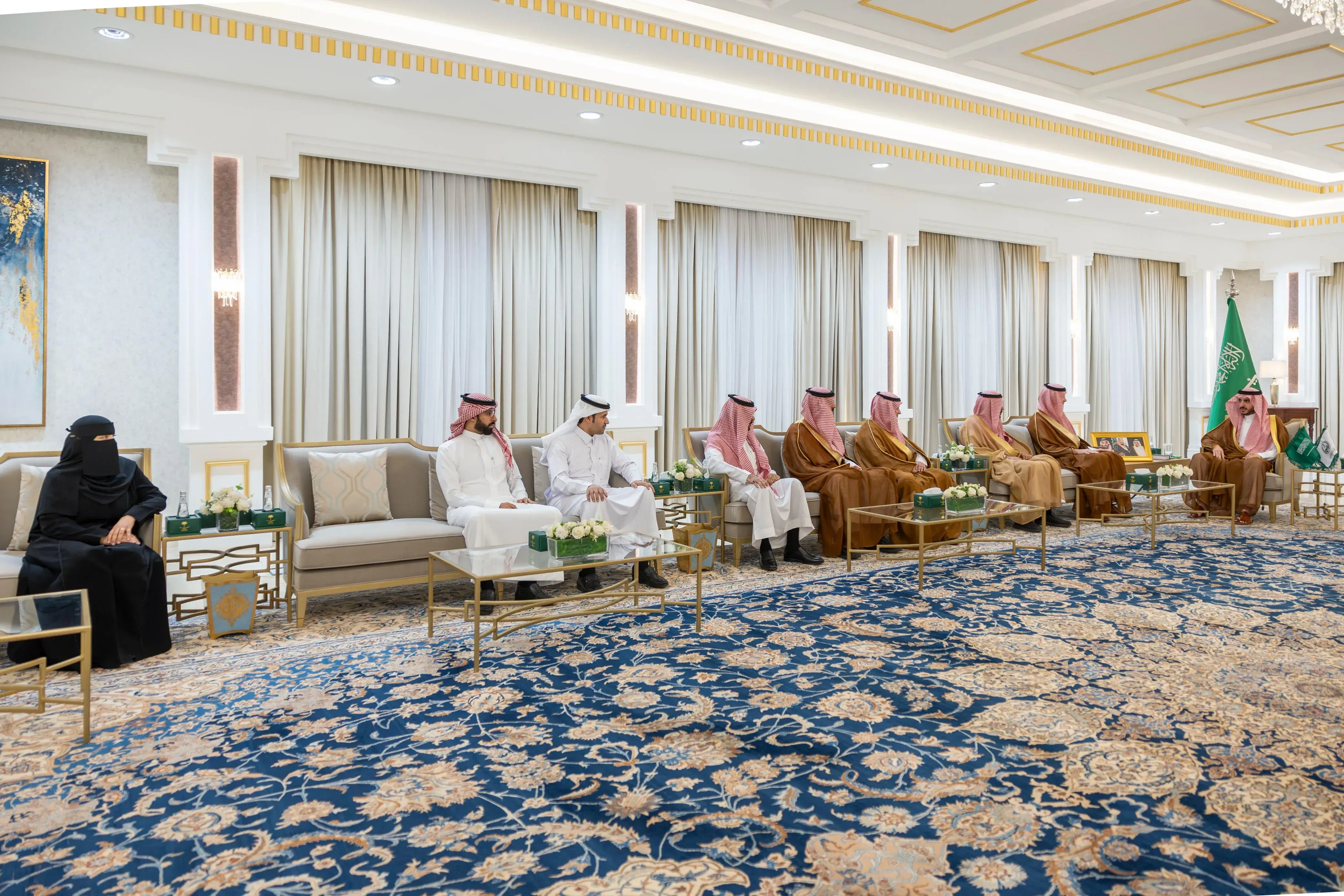
His Royal Highness Prince Faisal bin Nawaf bin Abdulaziz, Prince of Al-Jouf Region, received the President of Jouf University, Prof. Mohammed bin Abdullah Al-Shaya, the University’s vice presidents, and a number of members of the Saudi Association for Volunteer Work.
The meeting was held as part of HRH the Prince’s continued follow-up of the University’s progress and its educational, research, and developmental roles, as well as his review of its achievements and qualitative performance indicators that strengthen its institutional standing and enhance its contribution to regional development and community service.
At the beginning of the meeting, HRH the Prince reviewed Jouf University’s Institutional Performance and Strategic Achievements Report for 2025–2026. The report presented a comprehensive overview of the development witnessed across the University’s various sectors, its progress in implementing its strategic plan, and its success in translating objectives and initiatives into measurable institutional outcomes, in line with the transformations taking place in the higher education sector and the objectives of Saudi Vision 2030.
The University President briefed HRH the Prince on the report’s key themes, including governance, quality, academic accreditation, the development of educational programs, the enhancement of the student experience, support for scientific research, innovation and entrepreneurship, digital transformation and cybersecurity, social responsibility and volunteerism, endowments and financial sustainability, infrastructure development, and environmental sustainability.
The report demonstrated the University’s progress in developing its institutional governance framework, strengthening regulatory compliance, meeting the requirements for the renewal of institutional accreditation, and implementing the regulations of the Council of Universities Affairs, together with institutional policies and procedures. It also highlighted the expanded application of quality systems and the promotion of transparency, accountability, and performance measurement, contributing to greater administrative efficiency and supporting institutional decision-making.
In the academic field, the report reviewed the University’s portfolio of high-quality educational offerings, with a total of 75 academic programs. All targeted bachelor’s degree programs have obtained academic accreditation. The University has also expanded its postgraduate offerings, updated its curricula, and aligned them with future skills and labor market needs, thereby improving the quality of academic outcomes and enhancing graduates’ readiness to compete across various professional fields.
In scientific research and innovation, the report highlighted qualitative growth in the University’s high-impact research output. A total of 2,248 scientific papers were published, 63% of which appeared in first-quartile journals, while 23.5% of the University’s publications ranked among the world’s top 10% most-cited research papers.
The number of Jouf University researchers listed among the world’s top 2% most influential scientists reached 66. The University also registered patents and received 79 awards in innovation and creativity, reflecting the continued development of its research environment and its growing presence within the scientific and innovation landscape.
The report also reviewed the University’s achievements in digital transformation, noting that it had accomplished 91% of its digital transformation targets. These efforts included expanding process automation, developing electronic systems and services, enhancing cybersecurity readiness, improving the beneficiary experience, strengthening digital integration across institutional systems, and supporting data-driven decision-making.
In the field of social responsibility and volunteerism, the University presented its growing developmental role. It recorded 6,200 volunteer opportunities involving more than 50,000 male and female volunteers, who contributed approximately 788,000 volunteer hours.
The University also implemented 1,200 community events and expanded its partnerships with government, private-sector, and non-profit organizations. These achievements reflect the University’s transition from general volunteer participation to structured, institutional volunteer work capable of generating sustainable impact.
During the meeting, HRH the Prince also reviewed the annual report of the Intellectual Awareness Department for the academic year 1447 AH. The report documented Jouf University’s efforts to promote the values of moderation and balance, strengthen national identity and belonging, and develop intellectual, social, and digital awareness among students and University employees. These efforts contribute to building a safe and informed university environment capable of addressing intellectual and digital challenges.
The report showed that the Intellectual Awareness Department had implemented more than 190 awareness programs and activities, with the participation of over 150 presenters and speakers and in cooperation with more than 19 colleges, deanships, and supporting entities.
More than 22,500 male and female beneficiaries participated in these programs, reflecting the broad scope of the initiatives, the diversity of their target audiences, and the integration of efforts across the University’s various sectors.
The meeting also included a presentation of the establishment booklet of the Saudi Association for Volunteer Work at Jouf University. The booklet serves as an introductory and organizational reference that outlines the Association’s identity, vision, mission, objectives, and values.
It also presents an integrated framework for building an institutional volunteer ecosystem based on governance, sustainability, and partnerships, while leveraging academic and research capabilities in the service of society.
The booklet highlighted several qualitative initiatives, including the “Hour of Giving” initiative, which promotes regular community participation, and the “Volunteer Researcher” initiative, which utilizes research expertise to examine societal challenges and propose appropriate solutions.
It also presented the “Volunteer Team Leadership” program, which aims to prepare leaders capable of managing volunteer projects and initiatives, as well as the “Volunteer Ambassadors” program, which contributes to promoting a culture of volunteerism and encouraging participation within and beyond the University.
These reports and publications reaffirm the University’s advanced institutional ecosystem, its growing academic and research capabilities, its effective partnerships, and its high-impact initiatives that contribute to serving Al-Jouf Region, enhancing the University’s social and developmental impact, and supporting the achievement of Saudi Vision 2030.