


Jouf University, represented by the Prince Nawaf bin Abdulaziz Chair for Sustainable Development, organizes a scientific lecture titled “Ancient Arabic Inscriptions in the Al-Jouf Region”
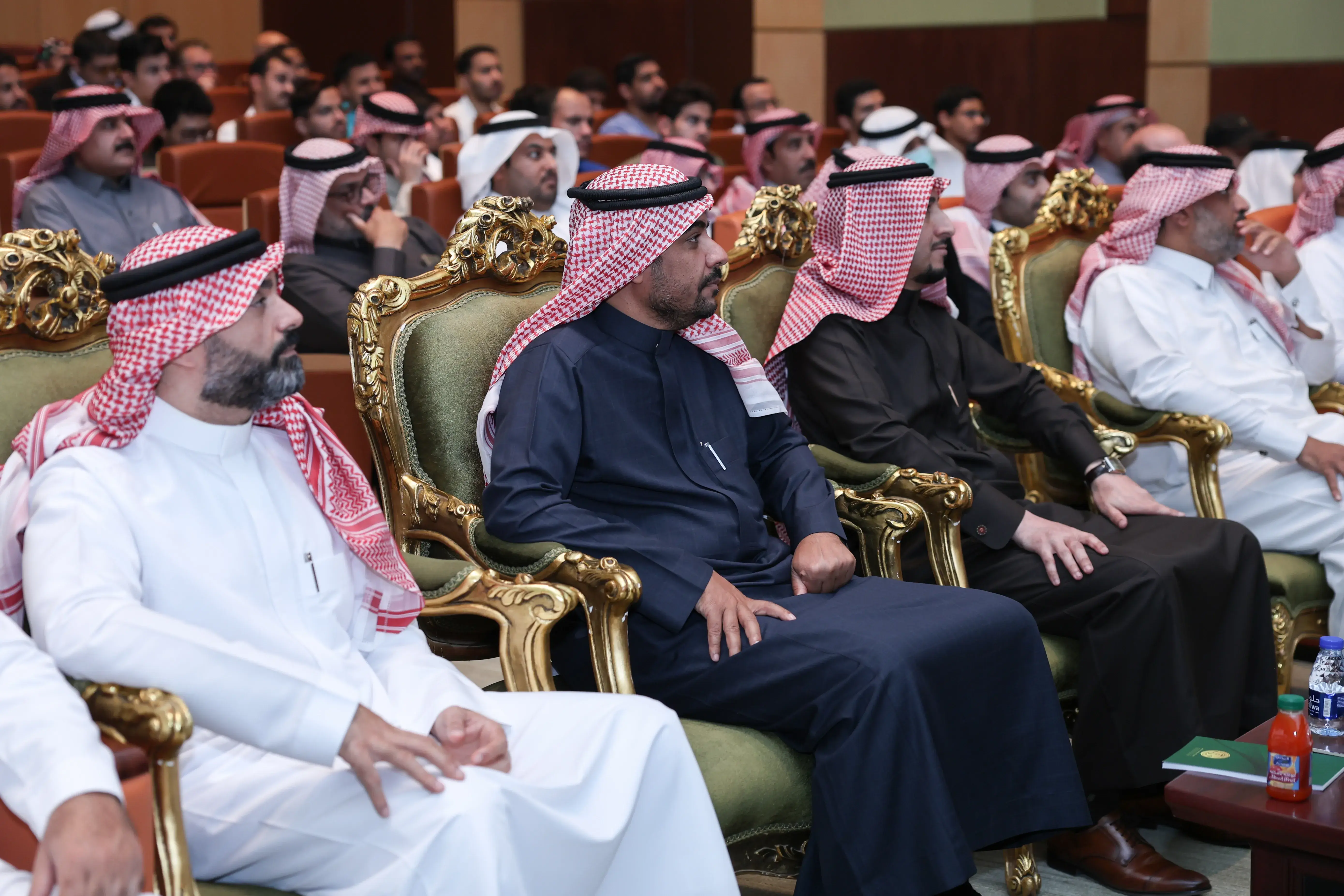
As part of its mission to preserve national heritage and reinforce the historical identity of the Al-Jouf region, Jouf University — through the Prince Nawaf bin Abdulaziz Chair for Sustainable Development — organized a scientific lecture titled “Ancient Arabic Inscriptions in the Al-Jouf Region.” The lecture was delivered by Prof. Suleiman bin Abdulrahman Al-Thiyeb, a specialist in ancient Arabian scripts and inscriptions and advisor at the King Faisal Center for Research and Islamic Studies and the Royal Commission for Al-Ula. The event was held on campus in the presence of faculty members, researchers, students, and those interested in history and archaeology.

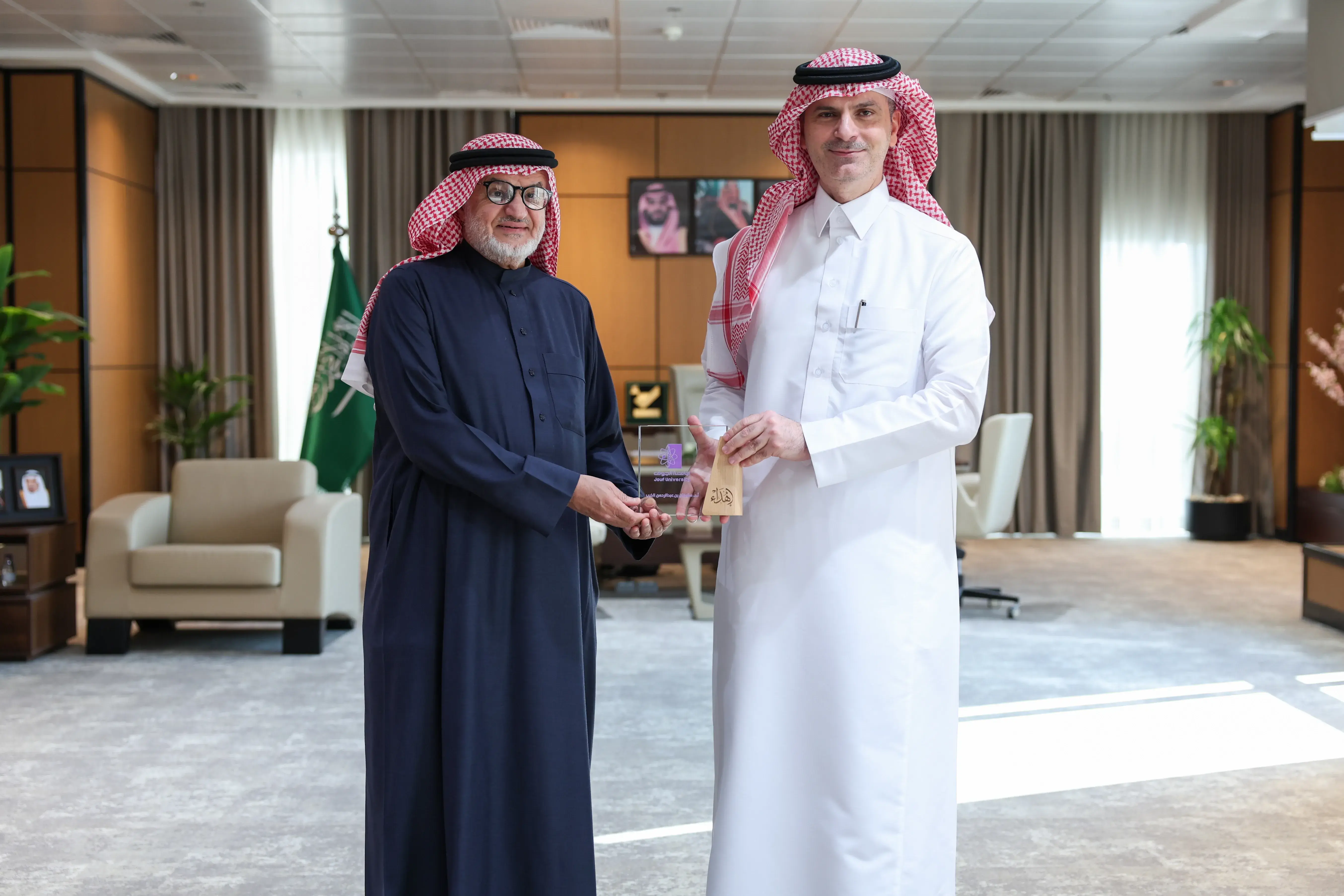
On this occasion, His Excellency the University President, Prof. Mohammed bin Abdullah Al-Shaya, welcomed Prof. Suleiman Al-Thiyeb and presented him with a university shield in appreciation of his contributions. His Excellency expressed pride in hosting such a distinguished scholarly event, affirming that preserving Al-Jouf’s written heritage is an essential part of the university’s mission to develop a strong academic and cultural foundation.
He added that the inscriptions discovered in Al-Jouf stand as a living testament to the region’s deep historical roots, and the university’s commitment to supporting research in this field reflects its service to the nation — academically and culturally — in alignment with Vision 2030’s goals of heritage preservation and national identity strengthening.
During the lecture, Prof. Al-Thiyeb presented a historical overview of ancient Arabic inscriptions in Al-Jouf, explaining that the region is considered one of the most significant epigraphic and linguistic repositories in northern Arabia. Its inscriptions, he noted, have contributed greatly to understanding the development of writing systems and the cultural evolution of the region through different eras.
The lecture addressed four main themes:
- Nabataean inscriptions and their role in the development of script and linguistic structure.
- Thamudic inscriptions and what they reveal about tribal life and social practices.
- Safaitic inscriptions and their spread along trade routes and desert pathways.
- Other Arabian script forms reflecting cultural, religious, and political interactions.
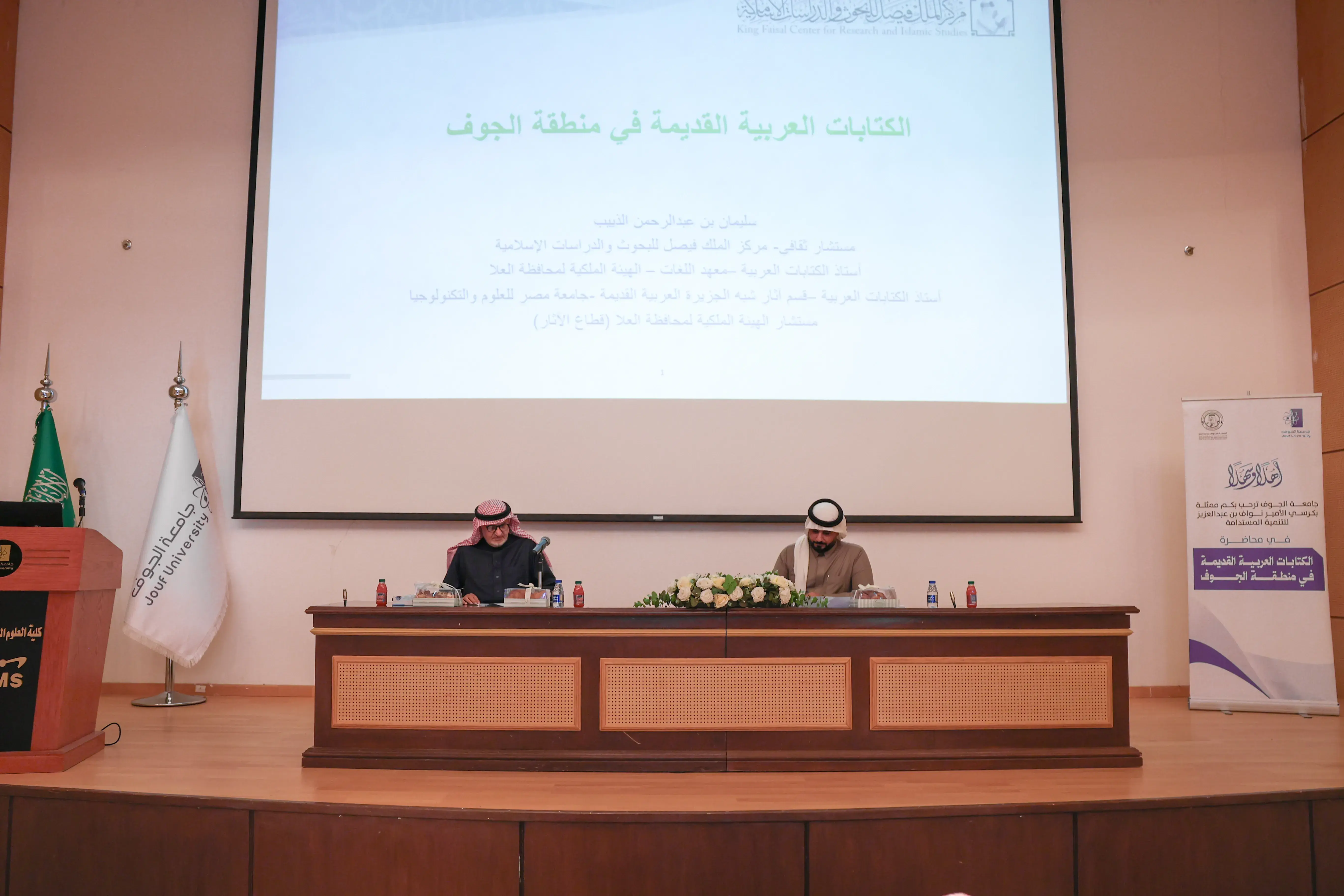
His Excellency emphasized that Al-Jouf’s vast collection of inscriptions represents a rich intellectual and civilizational resource that warrants further research, study, and documentation. These inscriptions, he added, highlight the region’s historical contribution to the Arabian Peninsula and support national efforts to preserve heritage and promote it regionally and globally.
The lecture aimed to achieve several objectives aligned with the university’s pursuit of knowledge investment in national heritage, including:
• Raising awareness of Al-Jouf’s history and its epigraphic legacy.
• Supporting specialized studies in tangible heritage within the university’s sustainable development track.
• Strengthening academic collaboration between the university and national research institutions in history and archaeology.
• Encouraging students and researchers to engage in scholarly projects related to ancient inscriptions.
It also reflects the university’s commitment to community engagement by making historical knowledge accessible, connecting younger generations with their cultural roots, and supporting Saudi Vision 2030 in heritage preservation, national identity building, and enhancing cultural resources for development, tourism, and the knowledge economy.
This event illustrates the university’s dedication to enhancing research in heritage, linguistics, and history, fully aligned with Vision 2030’s emphasis on protecting national heritage, documenting identity, and transforming historical knowledge into sustainable cultural value. It also highlights the role of the Prince Nawaf bin Abdulaziz Chair in advancing humanities and archaeological research and producing authentic knowledge tied to the Kingdom’s cultural progression.

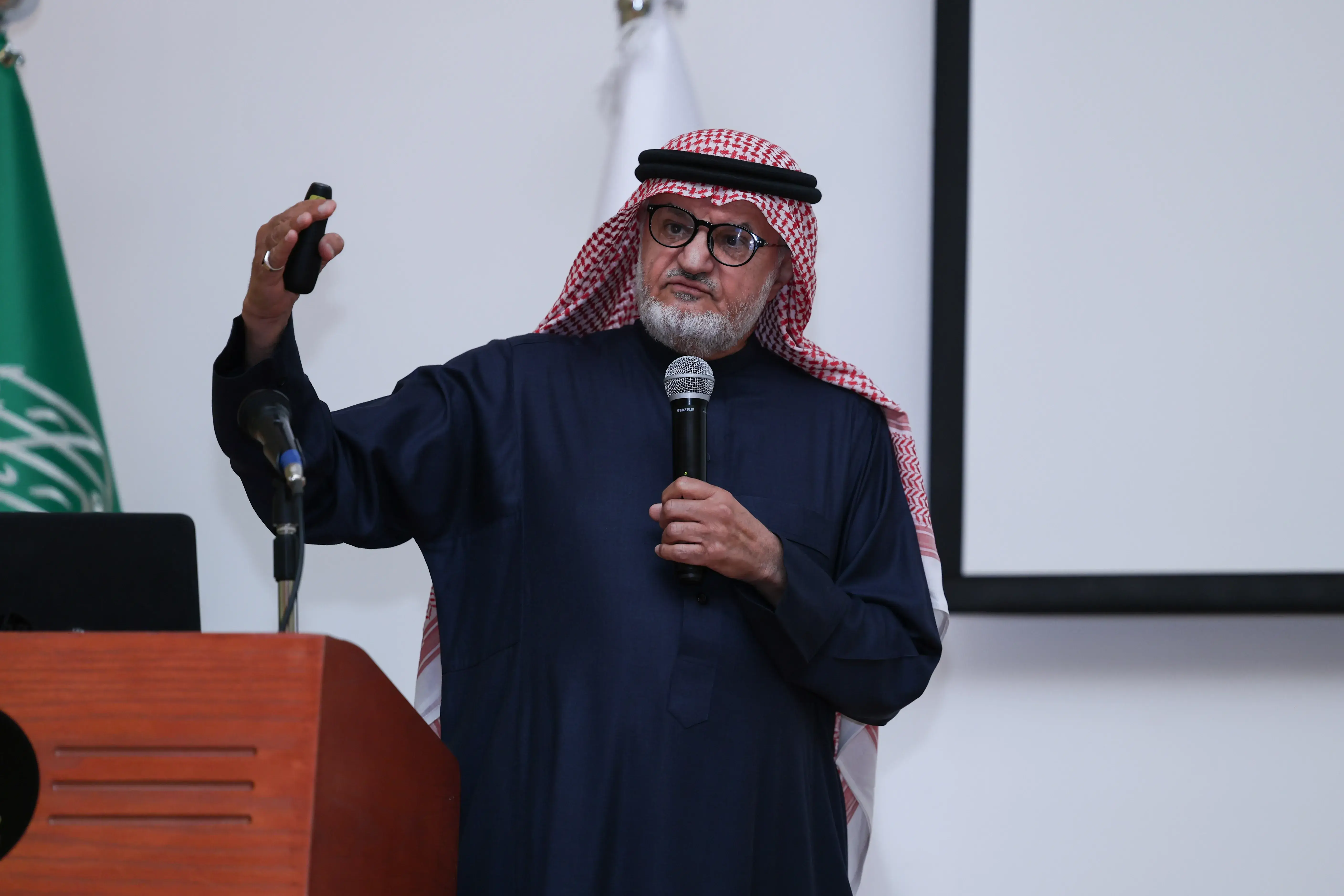
Participants affirmed that such scientific activities open new horizons for researchers, enrich the intellectual and academic environment within the university, and contribute to future research pathways rooted in Saudi identity. They also emphasized that such efforts strengthen the documentation of regional history as a foundation for cultural development.
The lecture aligns with Jouf University’s strategic direction in supporting scientific research in history, archaeology, and national identity. It highlights the university’s role as a knowledge-driven institution contributing to regional development by opening new research avenues for scholars and postgraduate students, and by encouraging field-based documentation and heritage studies related to Al-Jouf’s tangible and intangible history.