


Chaired by Jouf University President Prof. Mohammed bin Abdullah Al-Shaya, the University Council Holds Its First Session for the 1448–1449 AH Academic Year and Approves a Package of Policies and Programs Supporting Graduate Studies and Academic Excellenc
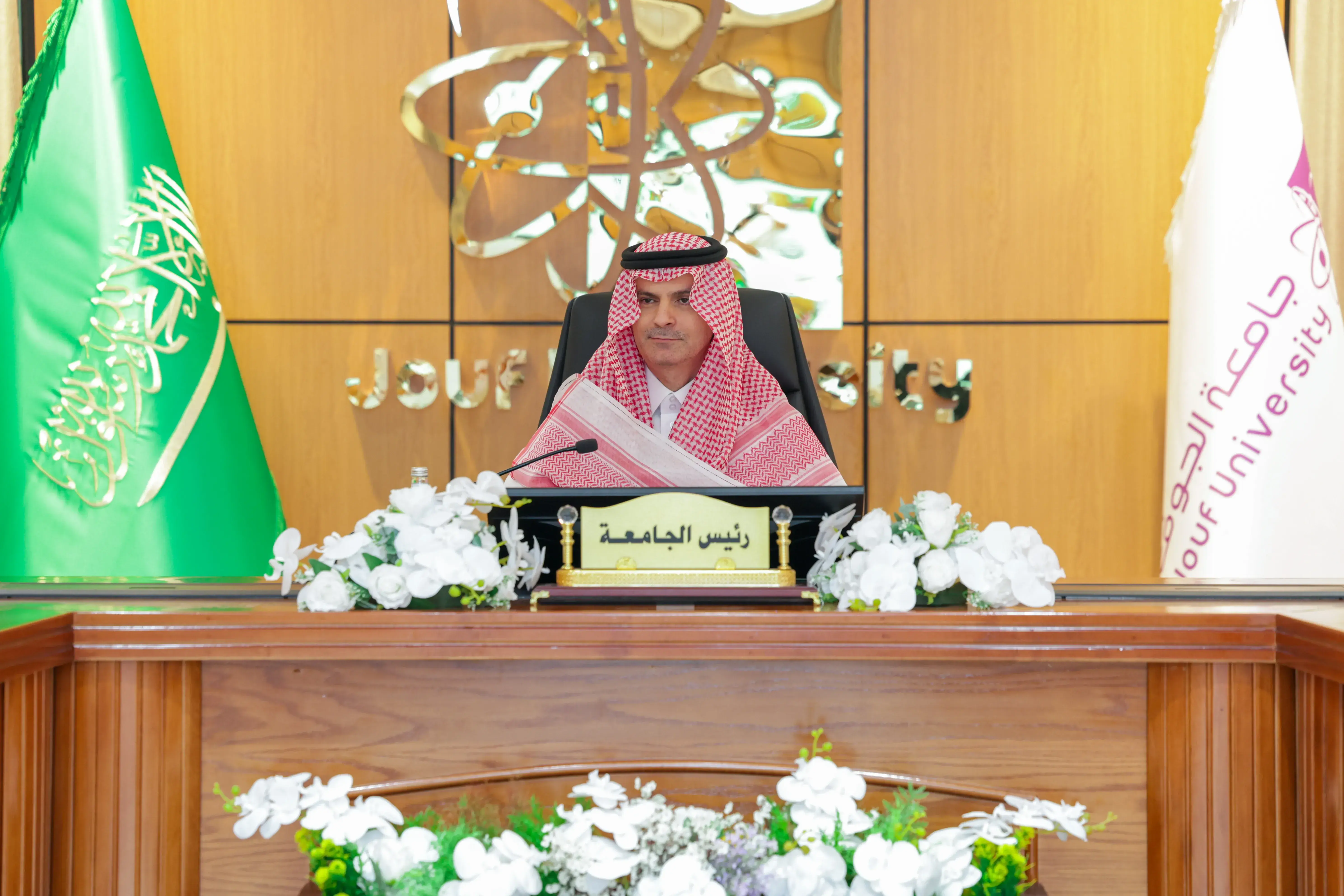
The President of Jouf University, Prof. Mohammed bin Abdullah Al-Shaya, chaired the first session of the University Council for the 1448–1449 AH academic year, in the presence of Council members. The Council discussed a number of academic, regulatory, and developmental matters listed on its agenda and adopted several decisions aimed at enhancing the efficiency of academic operations, advancing the graduate studies system, and expanding high-quality educational opportunities across the University.
The Council began its proceedings by reviewing a number of matters related to the development of the academic and regulatory environment, as part of the University’s commitment to continuously updating its policies and regulations and enhancing the efficiency of its academic programs in line with its strategic directions and in support of the quality of its academic and research outcomes.
The Council approved the General Policy for Graduate Studies at Jouf University, contributing to the regulation and further development of the University’s graduate studies system, strengthening its academic and procedural frameworks, improving the efficiency of its programs, and enhancing their responsiveness to scientific and research priorities as well as labor market needs.

The Council also approved the Guidelines Governing Scholarships for Graduate Programs for Special Categories, University Employees, and Excellence Categories. The guidelines are intended to regulate access to graduate scholarships and expand opportunities for enrollment in graduate programs according to defined criteria and standards, thereby supporting investment in talent, encouraging academic and professional excellence, and strengthening opportunities for human-capital development within the University.
As part of the University’s qualitative expansion of health-related academic programs, the Council approved the Master of Science Program in Restorative Dentistry at the College of Dentistry. The program is expected to strengthen graduate education pathways in health disciplines, support the preparation of specialized national professionals, and contribute to professional practice and scientific research in dentistry through advanced academic training.
The University President emphasized that the policies and programs considered by the Council form part of an institutional approach aimed at enhancing the quality of the academic process, advancing the graduate studies system, and aligning academic programs with national development needs and scientific and professional priorities.
He noted that the University continues to develop its academic programs and policies in ways that strengthen its academic competitiveness and expand opportunities for excellence among its students, faculty, and staff.
Prof. Al-Shaya added that the development of graduate programs represents one of the key enablers for advancing research and innovation and building specialized capabilities. He emphasized that the University is continuing its qualitative expansion of programs that deliver scientific and professional value while supporting sustainable institutional excellence and the quality of academic outcomes
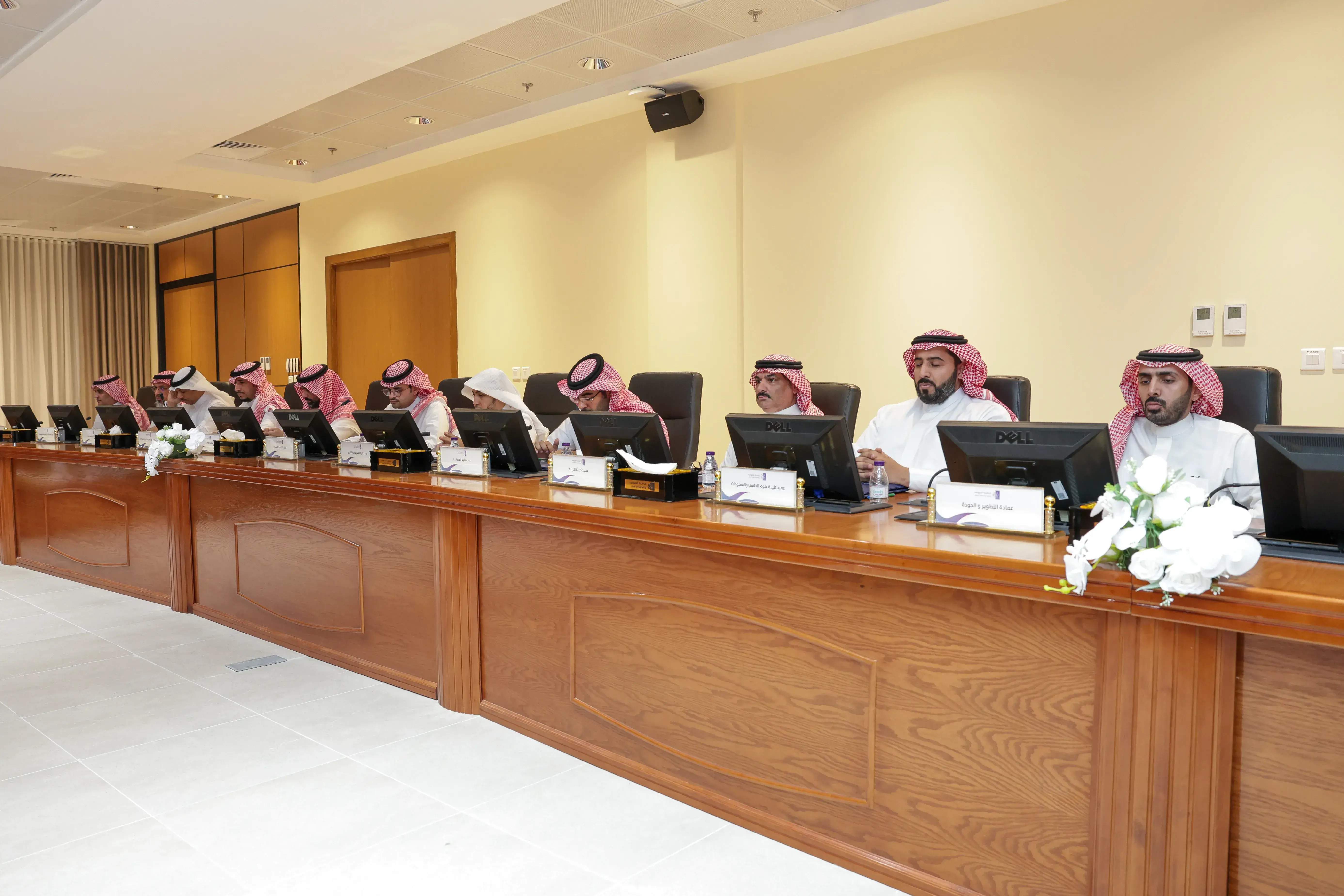
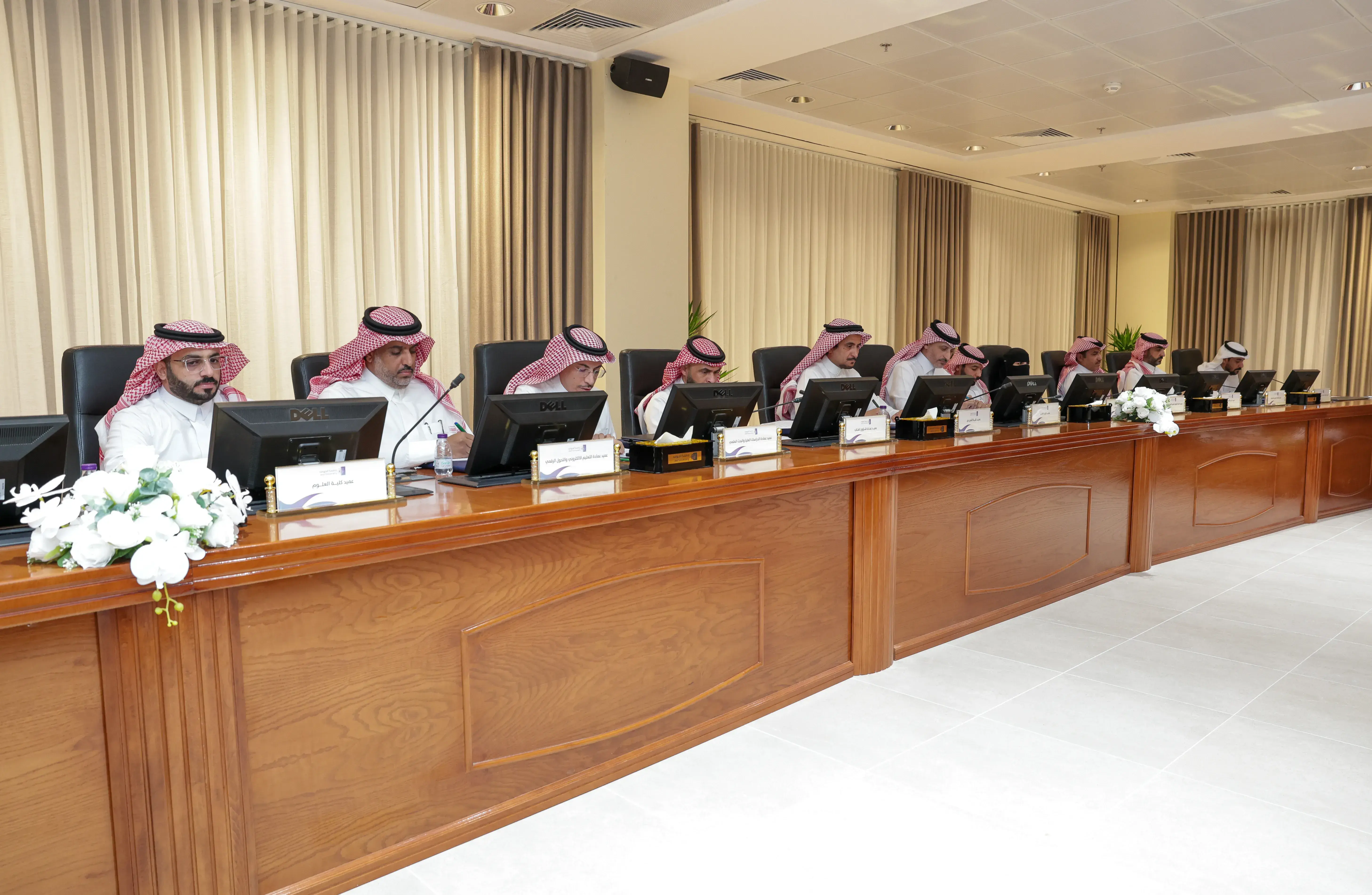
The session also included discussions on a number of other matters listed on the agenda, along with a review of their academic and regulatory aspects. The Council adopted the necessary decisions and recommendations as part of its ongoing role in following up on the University’s operations and advancing its systems and programs in support of its objectives for the 1448–1449 AH academic year.
The Council concluded its session by emphasizing the importance of continued integration and coordination among the University’s various sectors and of translating approved decisions and policies into programs and practices with measurable impact, thereby enhancing the quality of academic and institutional performance and supporting the University’s continued development of its educational and research environment and its service to students, faculty, staff, and the wider community.